

Things to do in Porto, Portugal
Portugal is ready to serve you with its majestic castles lying on hilltops, beach waves connected with the Atlantic Ocean, and culinary art that gives a perfect blend of the tradition and innovation of the country, and you can explore them when you travel to Portugal. Before start traveling it is highly recomendded to create a Things to do in Porto List.
— Things to do in Porto, Portugal
Travel to Portugal
This charming Iberian nation is ready to serve you a delightful experience of the natural wonders without crowds and costs like the neighboring countries, as you can enjoy the natural destinations, cultural aspects, traditional activities, mountain views, Atlantic ocean sunsets, and long drives along the hilly areas once you plan to have a trip to Portugal. It is suggested to have a proper Portugal tour guide to save your time and money in all terms and enjoy a safe and frustration-free tour to Portugal.
Whether you are visiting the cobblestone streets of Lisbon’s Alfama district or moving through the vineyards of Douro Valley, Portugal is ready to display the perfect blend of modern sophistication and ancient civilization during your trip to Portugal. Whether you are enjoying a pastel de nata in an old-fashioned bakery, visiting the UNESCO World Heritage Sites, or enjoying the breathtaking views of sunsets at high cliffs, Portugal delivers unforgettable experiences, and you can carry them with you for the rest of your life. This article will help you dive deep into the adventurous world of Portugal, along with some pros and cons that are necessary to know when you travel to Portugal as a tourist or a visitor.
Portugal sits on the far western edge of continental Europe, bordered by Spain to the north and east and facing the Atlantic Ocean on its entire western and southern coast. This position – the first European country you reach sailing in from the open Atlantic – shaped Portugal’s extraordinary history as a nation of explorers, navigators, and traders who reached Brazil, Africa, India, and the Far East before any other European power. That maritime heritage is visible everywhere in the country today, from the Manueline stonework of Lisbon’s Jeronimos Monastery to the tile-covered facades of Porto’s Ribeira district to the vineyards of the Douro Valley that have supplied the world with port wine for over 300 years.
Portugal is one of the best value destinations in western Europe. The country offers world-class food, wine, history, beaches, and scenery at prices that compare favourably with Spain, France, or Italy. Outside of Lisbon and Porto’s main tourist areas in peak summer, you can eat extraordinarily well for very little money, accommodation is excellent at every price point, and the people are famously warm and welcoming to visitors. The country is also compact enough to cover a remarkable amount of ground in a two-week trip – Lisbon and Porto can each fill several days, the Algarve coast is at the other end of the country, and the Alentejo plains, the Douro Valley vineyards, the Minho river valley, the Serra da Estrela mountains, and the Azores and Madeira islands all offer completely different experiences within the same country.



— Things to do in Porto, Portugal
Things to Do in Porto - Top Attractions
Whenever you study or are ready to visit any place in the world, the very first thing that comes to your mind is the top destinations that are a must-visit in that place. Similarly, when you plan a trip to Portugal, you may be eager to visit the top destinations that you want to visit when you reach the actual destination. This article will help you know about the top destinations of Portugal you must visit when you plan a trip to Portugal, along with a Portugal tour guide.
Porto is the second largest city in Portugal and the place that gave its name to both the country and to port wine. The city sits on steep granite hillsides above the north bank of the Douro River, about 3 kilometres from the Atlantic coast, and the combination of the river, the medieval Ribeira district, the ancient port wine cellars of Vila Nova de Gaia on the opposite bank, and the extraordinary variety of azulejo tilework on its buildings makes it one of the most visually distinctive cities in Europe. Porto was classified as a UNESCO World Heritage Site in 1996, specifically for its historic centre, and remains one of the most rewarding cities on the continent for simply walking and getting lost in the streets.
Things to Do in Porto: Ribeira District and the Dom Luis I Bridge
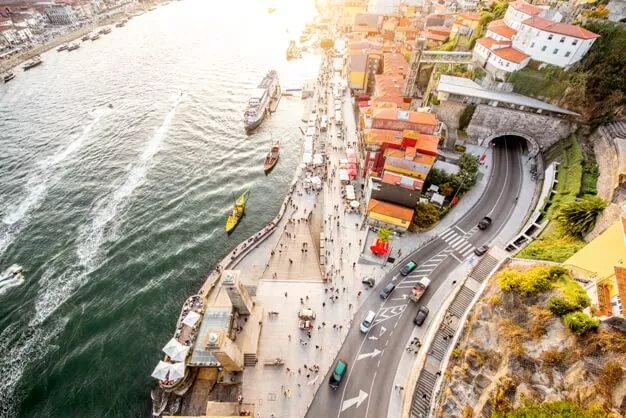
The Ribeira district along Porto’s waterfront is the historic heart of the city and the most photogenic stretch of any Portuguese city centre. The narrow alleys and colourful buildings climbing the steep hillside above the river, reflected in the Douro below, form the view that appears on most Porto travel guides and postcards – and it looks even better in person. The riverside promenade has restaurants, cafes, and wine bars running its full length, and in the evenings the whole area fills with locals and visitors enjoying the warm air and the views across to Vila Nova de Gaia. The Ribeira is best explored on foot, ducking into the alleyways that climb steeply up from the river through arches and staircases.
The Dom Luis I Bridge is the most famous of Porto’s six river bridges, a double-deck iron arch bridge designed by a student of Gustave Eiffel and completed in 1886. The upper deck carries the Metro Line D across the river and is open to pedestrians, making the walk across at 45 metres above the Douro one of the most memorable experiences in Porto. From the upper deck you see the entire sweep of Porto’s riverfront on one side and the port wine lodges of Vila Nova de Gaia on the other, with the river stretching east toward the Douro Valley and west toward the sea. The bridge is particularly beautiful at sunset when the warm light catches the terracotta rooftops and the old warehouses of Gaia.
Things to Do in Porto: Port Wine Cellars in Vila Nova de Gaia
Vila Nova de Gaia, directly across the Douro from Porto’s Ribeira, is where all of the major port wine houses have their cellars and lodges, and visiting them is one of the essential things to do in Porto. The port wine lodges – Graham’s, Taylor’s, Sandeman, Calem, Cockburn’s, and Ramos Pinto among them – all offer guided tours of their production facilities followed by tastings of their wines. The tours explain how port wine is made, how different styles such as Vintage, LBV, Tawny, and Ruby differ from each other, and how the wine matures in the dark caves of the lodge over years or decades. Most tours end with two or three glasses of wine at a table overlooking the river, and the combination of education, setting, and excellent fortified wine makes this one of the most enjoyable visitor experiences in Portugal.
The Gaia cable car (Teleferico de Gaia) runs from the riverfront up to the upper level of the Dom Luis I Bridge, giving you spectacular views over the river and both cities on the short ascent. From the top you can walk back down through the lodge area or continue along the upper road to more viewpoints and wine estates. The Jardim do Morro at the top cable car station is one of the best viewpoints in Porto, looking directly across the river to the old city climbing its granite hillside. For a more immersive introduction to port wine, the World of Wine (WOW) cultural district in Gaia is a large complex of wine museums, restaurants, and cultural spaces that can comfortably fill half a day.
— Things to do in Porto, Portugal
Things to Do in Porto: Livraria Lello Bookstore
Livraria Lello is consistently ranked among the most beautiful bookshops in the world and is one of the most visited sites in Porto. The shop opened in 1906 and its extraordinary Art Nouveau interior features a sweeping double staircase in carved wood, stained glass skylights, and elaborate painted ceilings, all in a relatively small two-storey space that manages to feel both intimate and theatrical. The Harry Potter connection – J.K. Rowling taught English in Porto in the early 1990s and is said to have been inspired by the bookshop’s staircase in creating Hogwarts – has made Lello one of the most Instagram-photographed interiors in Europe. Timed entry tickets must be purchased in advance online, and the ticket price is redeemable against a book purchase inside. Arriving at opening time significantly reduces the crowds. This is also highly recommended to add Livraria Lello Bookstore to your list of things to do in Porto.
Things to Do in Porto: Torre dos Clerigos and Porto's Miradouros
The Torre dos Clerigos is an 18th-century baroque tower and the most recognisable landmark on Porto’s skyline. Climbing the 225 steps to the top brings you to a 360-degree panorama of the city that gives you a clear sense of its extraordinary topography – the dense medieval centre, the river far below, the Atlantic glinting in the distance, and the sea of terracotta rooftops stretching in every direction. The tower is attached to the Igreja dos Clerigos church, which is itself a remarkable example of Portuguese baroque architecture worth seeing from the inside. The Jardim das Oliveiras garden alongside is a pleasant place to sit after the climb.
Porto has several excellent miradouros (viewpoints) that give you different perspectives on the city. Miradouro da Serra do Pilar in Vila Nova de Gaia, just beside the upper level of the Dom Luis bridge, gives possibly the best view of Porto’s riverfront. Miradouro da Rua das Aldas in the Ribeira area looks across the rooftops to the river. The terrace of the Casa da Musica concert hall in the Boavista area gives a different view of the modern western city. Foz do Douro, where the Douro meets the Atlantic about 5 kilometres west of the city centre, is a pleasant area of seaside cafes, coastal paths, and the Pergola da Foz – one of the most photogenic corners of greater Porto.
Things to Do in Porto: Sao Bento Railway Station
Sao Bento railway station in central Porto is one of the most beautiful public buildings in Portugal. The main hall is covered entirely in azulejo tile panels depicting scenes from Portuguese history – over 20,000 individually hand-painted tiles installed between 1905 and 1916 by artist Jorge Colaço showing battles, landscapes, and folk scenes from across the country. Even if you are not catching a train, the station is well worth visiting as a work of art in its own right. The combination of the tile work, the high vaulted ceiling, and the morning light filtering through the windows makes it one of the most impressive interiors in Porto. Sao Bento Railway Station is also part of majority of the torists list of things to do in Porto.
Day Trips from Porto - Douro Valley, Guimaraes, and Braga
Porto is an excellent base for day trips to some of Portugal’s finest attractions. The Douro Valley, about 90 minutes east of Porto by car or train, is one of the world’s great wine landscapes and covered in more detail below. Guimaraes, about 50 kilometres north of Porto, is considered the birthplace of Portugal – it was here that Portugal’s first king, Afonso Henriques, was born in 1109, and the medieval town centre around the Ducal Palace and the hilltop castle is beautifully preserved and deserving of a UNESCO World Heritage Site designation it received in 2001. Braga, between Porto and Guimaraes, is Portugal’s religious capital and has one of the finest baroque churches in Europe in the Bom Jesus do Monte sanctuary, with its extraordinary zigzag staircase climbing the hillside above the city.
The coastal towns near Porto offer a different day trip option. Aveiro, about 60 kilometres south on the coast, is often called the Venice of Portugal for its network of canals navigated by traditional moliceiro boats – shallow craft with painted prows that were originally used for harvesting seaweed. The town is also famous for its ovos moles, egg yolk and sugar sweets shaped like shells and fish that are one of the most distinctive pastries in Portugal. Matosinhos, just north of Porto’s city limits, has one of the best concentrations of seafood restaurants in northern Portugal and a long beach that locals use for surfing and weekend relaxation.
— Things to do in Porto, Portugal
Lisbon, Portugal
Do you know which is the capital of Portugal? This indigenous city of Portugal is ready to welcome you with its seven hills, vibrant lifestyle, and infectious energy. You can find the historic Alfama District here, and when you visit it, you can explore the melodic Fado music that drifted from traditional tavernas.
The places you should visit when you travel to Portugal, and then to Lisbon, may include a UNESCO World Heritage Site in the form of Belem Tower, which once served as a Lisbon harbor. You can explore the historic Jeronimos Monastery where Vasco da Gama was entombed, as the intricate Manueline architecture displays the Portuguese maritime, showcasing the Age of Discovery. When you travel to Portugal, don’t forget to ride the famous Tram 28, which is ready to give you the scenic views of Lisbon, connecting major attractions, and you can get the sights of all of these attractions in just one ride.
Lisbon's food
Lisbon is one of the oldest capitals in Europe, older than London, Paris, or Madrid, and it wears its history lightly in a way that makes it one of the most enjoyable cities to simply walk around. The Alfama district, which survived the catastrophic 1755 earthquake that destroyed most of the rest of the city, is a medieval maze of whitewashed houses, tiny squares, and steep alleyways climbing the hill below the Castelo de Sao Jorge. The castle at the top gives you the finest views in Lisbon across the terracotta rooftops and the wide Tejo estuary stretching to the sea. The Belem district, 6 kilometres west of the centre along the river, has the two greatest monuments of the Age of Discovery – the Torre de Belem and the Jeronimos Monastery – clustered within walking distance of each other.
Lisbon’s food and nightlife scene has transformed dramatically over the past decade. The LX Factory in Alcantara, a former industrial complex now housing independent restaurants, bars, design studios, and a weekend market, is one of the most vibrant spaces in the city. The Time Out Market in Cais do Sodre, opposite the ferry terminal, brings together the best chefs in Lisbon under one roof in a food hall format that is one of the most enjoyable places to eat in any European city. The Miradouro da Graca and Miradouro da Senhora do Monte viewpoints give you the classic Lisbon panoramas with fewer crowds than the better-known Miradouro de Santa Catarina or the Portas do Sol. Fado shows in the Alfama remain one of the most authentic cultural experiences available to visitors in any European capital.
Porto, Portugal
You can explore the Ribeira District in Porto, where majestic buildings cascade down to the Douro River, along with the UNESCO World Heritage streets that buzz with activity, serving locals and international visitors with restaurants, bars, and shops selling all the unique handicrafts and iconic items of the country you can explore when you travel to Portugal. There exists the iconic Dom Luis I Bridge that connects Porto to Vila Nova de Gaia, where you can find the world’s famous port wine cellars, as there are guided tours to the industry that reveal the complex flavour that leads to the chemistry behind the fortified wine. If you travel to Portugal, you will find the architecture of the city similar to Roman times, and its biggest example is the Casa da Musica main hall, along with the iconic Livraria Lello where you can spot the world’s most beautiful library and bookstore to spot the series books of Harry Potter along with the touch of new-Gothic art.
Sintra, Lisbon
Nestled 30 minutes away from Lisbon, you feel like you have stepped into a fairy tale where you can spot the Pena Palace presenting itself with a unique blend of Gothic architecture, Renaissance, and Moorish influences, as the whimsical and panoramic views of the palace add it to the most photographed scenes of Portugal. You will find a mysterious spot in the form of Quinta da Regaleira that displays green gardens, forests, architectural buildings, and rounded tunnels. There exists the Moorish Castle that provides panoramic views across the Sintra mountains to the Atlantic Ocean, as the city is also termed as a UNESCO World Heritage Site, providing a romantic and calm atmosphere along with various quintas attracting thousands of tourists and visitors from all over the world to travel to Portugal along with a Portugal tour guide.
Getting to Sintra from Lisbon is very straightforward – trains run from Rossio station in central Lisbon every 20-30 minutes and the journey takes about 40 minutes, making Sintra the most accessible day trip from the capital. The most important thing to know about visiting Sintra is that it gets extremely busy in peak season, and visiting the Pena Palace and Quinta da Regaleira requires booking timed entry tickets online well in advance in summer. Arriving on the first train of the morning and walking up to the palaces before the tour groups arrive gives you the best experience. The town of Sintra itself, centered on the main square near the National Palace, has good restaurants and pastry shops, and the Queijadas de Sintra – small pastry shells filled with a sweet cheese mixture – are one of the iconic foods of the region.
— Things to do in Porto, Portugal
Coimbra, Portugal
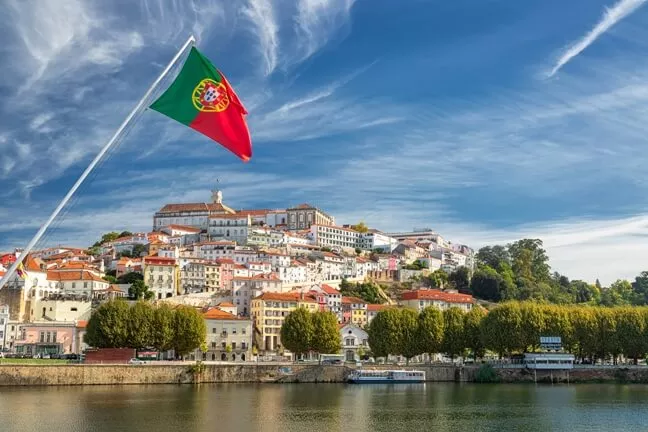
Have you heard about the oldest universities in Europe? Coimbra is one of the cities of Portugal that represents an intellectual and vibrant youth energy you can feel when you travel to Portugal to explore its top destinations. The University of Coimbra is ready to welcome you with its unique architecture, along with the Joanina Library, which showcases the prestigious bookstores along with a colony of bats that protect the books from insects.
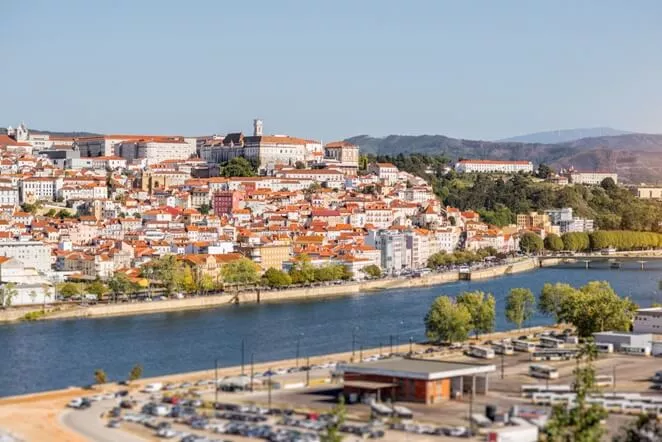
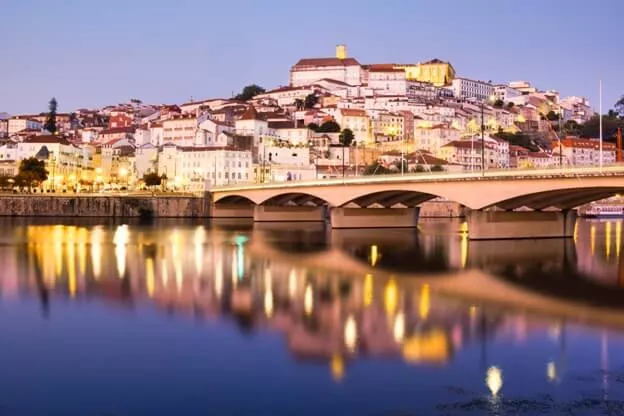
Coimbra is the birthplace of Fado, one of the majestic arts of Portuguese music you can find when you travel to Portugal as a tourist or a visitor. The Fado of Lisbon is mostly set up for tourists, unlike the Fado of Coimbra, which is mostly academic-based, and its performances are held by males in several university tours. You can also enjoy a walk along the Mondego River, while there are various restaurants and bars in the old town ready to serve you when you plan a trip to Portugal, along with a Portugal tour guide.
The University of Coimbra is one of the oldest in the world, founded in 1290, and its hilltop campus is the most important sight in the city. The Joanina Library, built between 1717 and 1728, is considered one of the most beautiful library interiors in the world – its three ceremonial halls lined floor to ceiling with gilded carved wood shelving containing over 60,000 volumes, with colony of bats that emerge at night to eat the insects that could damage the books. Visiting the library requires a timed entry ticket and bookings often sell out in advance. The Via Latina courtyard, the Sala dos Capelos examination hall, and the clock tower are all part of the same university complex and form a remarkable concentration of 18th-century architecture.
Bone Chapel Evora
Preserving 2,000 years of history, Evora is ready to serve you with its mediaeval walls in the form of the Roman Temple of Evora that is one of the best preserved structures of Roman times in Portugal. You can also spot the majestic and haunting Capela dos Ossos, which presents thousands of skulls and bones artistically, and you can explore all of them when you travel to Portugal as a tourist or a visitor. The city is presenting itself as the heart of the famous Alentejo region, which ranks in the world as an iconic region for cork production and wine manufacturing, as there are several local shops selling cork products in the form of accessories and home decor showcasing material versatility, and you can find all of them when you travel to Portugal along with a Portugal tour guide.
Evora is a compact and beautiful walled city about 130 kilometres east of Lisbon in the Alentejo, and it is one of the finest historic cities in Portugal – a UNESCO World Heritage Site containing Roman ruins, medieval walls, a cathedral, Gothic churches, and a university all within a small and walkable old town. The Roman Temple on the central square, often incorrectly called the Temple of Diana, is the best preserved Roman structure in Portugal, its Corinthian columns standing over 9 metres tall in the middle of the modern city. The Chapel of Bones (Capela dos Ossos) at the Church of Sao Francisco is one of the most haunting and memorable monuments in Portugal – an ossuary whose walls and ceiling are decorated entirely with the bones and skulls of approximately 5,000 people, completed by Franciscan monks in the 17th century as a meditation on human mortality.
Lagos, Portugal
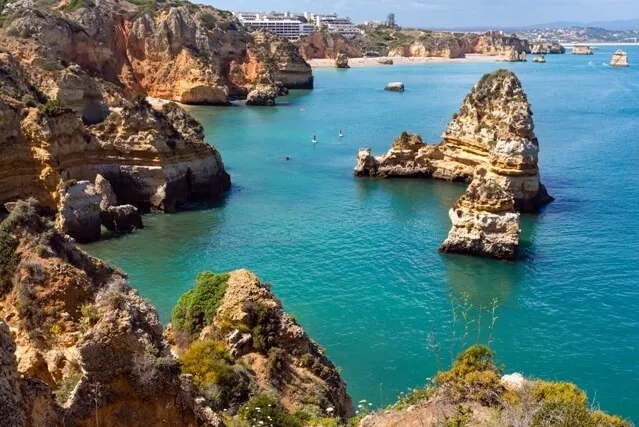
Lagos, termed as the Algarve region’s crown jewel, is ready to serve you the dramatic coastline with vibrant nightlife of the Portuguese people, as the golden beaches of the town stretch for miles, presenting some spectacular views of the coastline and vibrant city during your trip to Portugal. Ponta da Piedade is showcasing one of Europe’s most enchanting landscapes in the form of towering cliffs, sky-high mountains, vibrant beaches, and turquoise water. You can also enjoy boat tours that are ready to serve you with the discovery of hidden caves and many artistic aspects of nature, but before that, you have to book your ticket to travel to Portugal to explore the natural wonders of the country.
Lagos is the most popular base town on the western Algarve coast and one of the most picturesque places in Portugal. The old town, enclosed by its 16th-century walls and centred on the Praca Gil Eanes, has a good concentration of restaurants, bars, and cafes that give the town a livelier atmosphere than most Algarve resorts. Praia Dona Ana, a short walk south of the old town between golden sandstone cliffs, is consistently rated one of the most beautiful beaches in Europe. Ponta da Piedade, the headland of rock arches, stacks, and sea caves about 2 kilometres south of town, is the most dramatic coastal scenery in the Algarve and can be reached by a short walk along the clifftops or by kayak or boat tour from the marina. Boat trips from Lagos marina are the best way to access the hidden grottoes and cave arches around Ponta da Piedade that cannot be reached from land.
Obidos, Portugal
When you come to Obidos, you are completely shifted to medieval Portugal in the form of ancient walls and old architecture. This majestic place is preserved in the shape of various full bloom flowers that are showcasing a perfect environment for romantic couples, and a calm and peaceful atmosphere. The most iconic item of the city is the cherry liqueur served in chocolate cups, enjoyed by visitors and tourists who travel to Portugal alongside a perfect Portugal tour guide to make their journey safe and sound.
Obidos is one of the most completely preserved medieval walled towns in Portugal and a remarkably beautiful example of the genre. The entire old town is enclosed within 14th-century crenellated walls, and walking along the top of the walls gives you views over the whitewashed houses and purple bougainvillea below and the surrounding agricultural plains beyond. The main street Rua Direita runs the length of the old town between the castle (now a luxury pousada hotel) at one end and the main gate at the other, lined with small shops selling handicrafts, ceramics, wine, and the famous ginja – the sour cherry liqueur served in a small chocolate cup that has become Obidos’s most famous souvenir and taste memory. The Medieval Market held in the town in July is one of the best-attended historical festivals in Portugal.
— Things to do in Porto, Portugal
Porto and the Douro Valley
Have you heard about the world’s most famous wine landscapes? Douro Valley is ready to take you on a journey of enchanting vineyards that cascade down, leading to the iconic Douro River. This is, no doubt, a UNESCO World Heritage Site that remained unchanged for centuries, even after natural disasters, ready to welcome thousands of tourists from all over the world, and urging them to travel to Portugal to explore the majestic country.
You can explore the valley in a perfect way by joining a ride on river cruises that provide scenic views of the valley along with some stops at quintas, serving you with tasty and flavourful wine tables. The region is famous for producing not only port wine, but also red and white table wine to serve locals and international tourists during their trip to Portugal. There are various local restaurants that combine these iconic wines with some regional cuisine like river fish, meat, and vegetables.
The Douro Valley is one of the most beautiful wine landscapes in the world and the oldest demarcated wine region on earth, established in 1756. The valley stretches east from Porto for about 200 kilometres, and the landscape changes dramatically as you go further inland – the terraced vineyards cut into the steep schist hillsides become more dramatic, the valley narrower, and the light more golden. The town of Pinhao, about 130 kilometres from Porto, is the heart of the valley and has a train station famous for its own azulejo tile panels depicting local scenes. Day trips to the Douro from Porto by train along the scenic valley railway are one of the most enjoyable rail journeys in Portugal. Quintas (wine estates) throughout the valley offer tours and tastings, with Quinta do Crasto, Quinta da Roriz, and Quinta das Carvalhas among the most welcoming to visitors.
River cruises on the Douro range from the short 6-Bridges cruise that stays near Porto to full-day and multi-day cruises that go deep into the valley. The 6-Bridges cruise departing from the Ribeira waterfront is one of the most popular short activities in Porto, lasting about an hour and passing under all six of Porto’s Douro bridges including the Dom Luis I. Longer cruises to Regua, Pinhao, and the Spanish border give you extended time in the valley with stops at wine quintas and overnight stays on hotel boats. The combination of the river, the terrace vineyards, the old towns, and the wine makes the Douro Valley one of the most rewarding multi-day experiences available anywhere in Portugal.
Things to Do in the Algarve - Portugal's Southern Coast
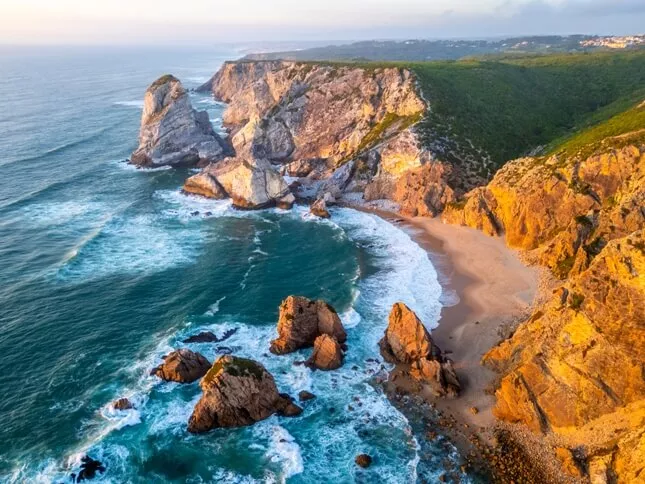
The Algarve is Portugal’s southernmost region and its most visited coastal destination, stretching for about 150 kilometres along the southern coast from Cape St Vincent in the west to the Spanish border at Castro Marim in the east. The coast has some of the finest beaches in Europe – long sandy strands, sheltered coves between golden cliffs, offshore stacks and arches accessible by boat, and a reliable sunny climate that makes it viable for beach holidays from April through October. The Algarve also has a well-developed tourist infrastructure with good restaurants, accommodation at every price level, golf courses, and activities from coasteering and kayaking to horse riding and dolphin watching.
The western Algarve from Cape St Vincent to Lagos has the most dramatic coastal scenery, with the highest and most sculptural cliffs and the most complex offshore rock formations. Cape St Vincent (Cabo de Sao Vicente), the most south-westerly point of mainland Europe, is a windswept headland with a historic lighthouse where almost every sunset in the Algarve seems to draw a gathering crowd. The coast between Sagres and Lagos, including the beaches of Praia do Martinhal, Praia de Ingrina, and the Boca do Rio, is some of the least developed in the Algarve and particularly beautiful in spring when wildflowers cover the clifftop paths. The central Algarve between Albufeira and Portimao is the most intensively developed tourist area with the largest resorts and the most infrastructure. The eastern Algarve from Faro to the Spanish border, known as the Sotavento, is flatter with a different character – long barrier islands, lagoons, and the Ria Formosa Natural Park making it outstanding for birdwatching and quieter beach experiences.
The Benagil cave, about 8 kilometres east of Portimao, is one of the most famous natural wonders in Portugal – a sea cave accessible only by swimming or boat with an extraordinary domed ceiling open to the sky above a sandy beach inside. Boat tours from Lagos, Portimao, and Carvoeiro reach the cave, as do kayak rental companies from Praia de Benagil itself. The cave is best visited in the morning before the afternoon wind picks up and before the boat traffic becomes heavy. Praia da Marinha nearby is consistently rated one of the most beautiful beaches in the Algarve for its golden rock formations and clear water.
The Azores and Madeira - Portugal's Atlantic Islands
Portugal’s island territories in the Atlantic are among the most extraordinary natural environments in Europe, and each offers a completely different character from the mainland. The Azores archipelago, nine volcanic islands about 1,500 kilometres west of Lisbon in the middle of the Atlantic, is known for its dramatic volcanic landscapes, abundant whale watching, world-class diving, and genuinely pristine natural environment. Madeira, closer to the African coast than to Portugal, is known for its extraordinary botanic gardens, scenic levada walks through ancient laurel forest, dramatic coastal cliffs, and some of the finest walking in Europe.
Sao Miguel, the largest and most visited of the Azores islands, has the Sete Cidades twin lakes in a volcanic crater, the Furnas hot springs and geothermal calderas, the Caldeira Velha waterfall, and the green tea plantations of Porto Formoso – the only tea plantation in Europe. The island can be seen in a few days but reveals itself more fully on a longer visit. Faial island, known as the Blue Island for its famous hydrangea hedgerows, has the dramatic Caldeira crater at its centre and the Capelinhos volcano peninsula created by an eruption in 1957-58. Pico island, dominated by Portugal’s highest mountain at 2,351 metres, has a UNESCO-listed landscape of black lava vineyards producing one of Portugal’s most distinctive wines.
Madeira’s levadas – a network of over 2,000 kilometres of narrow irrigation channels built into the hillsides over centuries to carry water from the wet northern mountains to the dry southern farmland – now serve as walking paths through some of the most dramatic and beautiful scenery in Europe. The Levada das 25 Fontes, the Levada do Caldeirão Verde, and the Levada do Rei are among the most popular routes, leading through UNESCO laurisilva forest, past waterfalls, and along clifftop paths with views down to the coast hundreds of metres below. Funchal, Madeira’s capital, has a beautiful old town, excellent restaurants, the famous Mercado dos Lavradores covered market, and the Monte cable car that gives views across the bay.
Culture and Traditional Aspects of Portugal
The cultural wealth of Portugal is not limited to some regions, but moves from the Gothic architecture to the Roman Empire to Moorish architecture to the Art of Discovery monuments. The Jeronimos Monastery in Lisbon represents the pinnacle of Manueline architecture, while the iconic Batalha Monastery is ready to showcase the Gothic architecture as part of Portugal’s center. Fado music in Lisbon’s Alfama District, and the universities of Coimbra are ready to serve you a perfect soul of Portugal, which you can find and experience when you travel to Portugal as a tourist or a visitor along with a Portugal tour guide.
All the buildings of the country are decorated with the help of the famous Azulejo tiles that tell the story of the culture and tradition of the Portuguese. You can explore the National Azulejo Museum in Lisbon to learn about the ancient history of these ceramic tiles. Also, Sao Bento Station in Porto displays some stunning tile panels showcasing the culture and history of the Portuguese people during your trip to Portugal.
Fado is the soul music of Portugal – a genre of urban folk song characterised by longing, melancholy, and fate, performed by a solo voice accompanied by the Portuguese guitarra (a twelve-string instrument with a teardrop-shaped body) and a viola baixo. Lisbon Fado, associated with the Alfama and Mouraria districts, has its roots in the early 19th century and was shaped by the urban poor, sailors, and bohemian communities of the city. A fado dinner in an Alfama house – where you eat a full meal of petiscos and traditional Portuguese food while a fadista performs from a small stage – is one of the most memorable experiences available in Lisbon. Coimbra Fado, with its different style and exclusively male performance tradition, is best experienced during the city’s student festivals in May. UNESCO recognised fado as Intangible Cultural Heritage of Humanity in 2011.
Portuguese food is one of the great underrated cuisines of Europe. The country’s food is built around excellent raw ingredients – the Atlantic provides some of the finest seafood and fish in the world, including grilled sardines, barnacles (percebes), spider crab, fresh tuna, swordfish, and at least 365 preparations of bacalhau (salt cod) that the Portuguese claim to represent one for each day of the year. The national dishes are indelibly associated with specific places: a francesinha (a layered ham, sausage, and steak sandwich soaked in a spiced tomato beer sauce) in Porto; a pastel de nata custard tart in a cafe in Belem; cataplana (a seafood and pork stew cooked in a copper clam-shaped vessel) in the Algarve; and leitao (suckling pig) in the forests around Mealhada between Coimbra and Aveiro.
— Things to do in Porto, Portugal
Natural Wonders of Portugal
The Atlantic coastline of Portugal is ready to provide you with adventurous outdoor activities when you travel to Portugal. If you are fond of surfing, you can visit Peniche and Ericeira, which provide consistent waves and professional instructions for you to have safe surfing, along with some hiking opportunities in the Peneda-Geres National Park, where there are mountain trails to hike and get unforgettable experiences. You can also experience a walking tour in Rota Vicentina, which leads to the southern part of Portugal.
When you travel to Portugal, you can also explore the Azores archipelago, showcasing the natural volcanic landscapes, hot water springs, and hiking trails within dark green forests. You can also enjoy a levada walk in Madeira through the UNESCO World Heritage forest and some dramatic coastal paths. All you need is to book your ticket to plan a trip to Portugal along with a Portugal tour guide.
The Peneda-Geres National Park in the far north of Portugal, bordering Spain’s Galicia, is the only national park on the Portuguese mainland and one of the wildest and most beautiful landscapes in the country. The park covers granite mountains, oak and pine forests, rivers and waterfalls, and has populations of Iberian wolves, wild ponies (the Garranos breed), golden eagles, and otters. Villages within the park maintain traditional farming practices that have changed little in centuries, and the granite architecture of the Minho region – solid, severe, and beautiful – is seen at its finest in the park’s villages. The Roman Via Nova Flaviana, an ancient road built under the Emperor Vespasian, runs through the park and can be hiked in sections.
The Serra da Estrela in central Portugal is the highest mountain range on the mainland, reaching 1,993 metres at Torre, the highest point. The range gives Portugal’s only ski resort (small and seasonal but genuinely fun), some excellent hiking trails in summer, and produces one of Portugal’s most famous cheeses – the queijo da Serra da Estrela, a semi-soft sheep’s milk cheese of extraordinary richness and flavour. The Zezere glacial valley on the north side of the range is one of the best examples of glacial landform in the Iberian Peninsula. The natural park’s scenic drives through the high heather moorland, past rock formations and mountain streams, are particularly beautiful in late summer when the heather blooms purple.
Porto Food Scene and Portuguese Gastronomy
Porto has one of the finest food cultures of any medium-sized European city, and eating well here is both affordable and genuinely rewarding. The francesinha is Porto’s signature dish – a substantial sandwich of cured ham, linguica sausage, and fresh sausage or steak, layered in sliced bread, covered in melted cheese, and then flooded with a hot spiced tomato and beer sauce, typically served with chips. Every tasca and casual restaurant in Porto has its own francesinha recipe, and trying them in different places is both a delicious activity and a genuine local obsession. The Comer no Bolhao area around the renovated Bolhao Market, and the Cedofeita neighbourhood in the Baixa, have the best concentrations of good casual restaurants.
A Porto food tour is one of the best ways to understand the city’s food culture. Established food tour companies take small groups through the markets, pastry shops, wine bars, and traditional restaurants of the city over several hours, giving context and history alongside the tasting. The Bolhao Market, fully restored and reopened in 2022 after years of renovation, is the finest covered market in northern Portugal with excellent fresh produce, fish, charcuterie, cheeses, and a good ground-floor food hall for eating on site. The Saturday morning Bom Sucesso Market is another good option for fresh food and craft producers.
Things to Know Before Traveling to Porto and Portugal
Portugal is one of the easiest European countries to travel in as a first-time visitor. English is widely spoken in Lisbon, Porto, the Algarve, and all tourist areas, so communication is rarely a problem. The country uses the euro, and cash is still useful for smaller restaurants, market stalls, and rural areas even though cards are accepted almost everywhere in cities. Portugal is in the Western European Time Zone – the same as the UK and Ireland, one hour behind Spain – which sometimes catches visitors by surprise after flying from London.
Getting around Portugal between the major cities is straightforward. Lisbon to Porto by high-speed train takes about 3 hours and runs frequently throughout the day. Lisbon to the Algarve by train takes about 2.5 hours to Faro. Within cities, Lisbon’s Metro is efficient and covers most tourist areas, while Porto’s Metro covers all the main districts including a direct line to the airport and crosses the Dom Luis I bridge to Gaia. The Porto Card and Lisboa Card offer unlimited public transport plus free or discounted entry to museums, and are good value for visitors planning to do significant sightseeing in each city.
Weather is an important consideration for planning a trip to Portugal. Lisbon and Porto are in the Atlantic climate zone, meaning warm summers and mild rainy winters. Porto is significantly wetter than Lisbon, with a proper rainy season from October to March. The Algarve has a Mediterranean climate with very hot dry summers and mild winters – it receives more sunshine hours per year than almost anywhere else in Europe. Madeira is warm and green year-round. The Azores are mild but can be very changeable at any time of year. The best months to visit Portugal overall are May, June, September, and October – warm enough for beaches and outdoor activities, less crowded than July and August, and cheaper.
— Things to do in Porto, Portugal
Best Time to Visit Portugal
The months of March to May are the best, as they offer the peak spring season to enjoy mild temperature conditions along with fewer crowds and lower prices, along with showcasing Easter celebrations when you travel to Portugal. Summer can be enjoyed between June and August when the bloom of beaches reaches their peak in the form of cool breeze, fewer crowds, and higher prices. Santos Populares festivals help you celebrate the summer season more authentically.
You can enjoy the autumn season from September to October, leading to cool nights and vibrant days in the major cities. The winter season can be enjoyed in the month of December, transforming the country into a perfect quiet place. You can also enjoy the Christmas celebration when you travel to Portugal as a tourist or a visitor in December, along with a Portugal tour guide.
June brings the Santos Populares festivals, which are the most important popular celebrations in both Lisbon and Porto. Lisbon celebrates Santo Antonio in mid-June with street parties, grilled sardines, and neighbourhoods draped in colourful decorations that fill the whole Alfama with music and dancing. Porto celebrates Sao Joao on the night of June 23rd in what is arguably the most exuberant street party in Portugal – the entire city is on the streets armed with plastic hammers to hit each other’s heads, releasing sky lanterns and jumping over bonfires at midnight. Both festivals are extraordinary experiences and worth timing a trip around. Porto’s Sao Joao is particularly spectacular and genuinely participatory rather than a performance for tourists.
Accommodations in Portugal
If you are looking for some budget-friendly stays in Portugal within a price range of $25-50 per night, there are several hotels in major cities of Portugal. Also, some Guesthouses and pensoes are serving private rooms with the natural charm of the location. You can also enjoy basic amenities in the form of clean and tidy rooms, transportation, culinary experiences, and room service as well. I always use one option for room booking from Booking.com or Expedia.com.
If you are looking for some mid-range options within the price range of $70-120 per night, there are several boutique hotels offering good furnishing and rooftop experiences. Also, you can enjoy some spots in the form of quintas that are ready to serve you with traditional wine. You will get insights into the cultural aspects and traditional winemaking experiences when you plan a trip to Portugal.
If you are looking for some luxury accommodation during your trip to Portugal, you can find it within a price range of $150-400+ per night. Pousadas are ready to convert historic buildings and palaces into luxury accommodations. You can also stay at Wine estates in the Douro Valley to enjoy a luxury stay with views of the vineyards of the valley.
Porto has an outstanding range of accommodation in its historic centre. The Torel 1884 hotel, the Casa do Infante, and the Wine and Books boutique hotels in the downtown area are among the most characterful options. For budget travellers, Porto has some of the best-rated hostels in Europe – Gallery Hostel in Miragaia, The Passenger Hostel near the railway station, and Bluesock Hostel in the Ribeira are consistently praised for quality and atmosphere. In the Douro Valley, Six Senses Douro Valley at Lamego is one of the finest luxury hotel properties in Portugal, a converted manor house with a remarkable spa and vineyard views. Across Portugal, the Pousadas chain of historic hotels in converted castles, monasteries, and palaces offer accommodation of genuine character and historical interest at prices that are often surprisingly reasonable.
Budget Hotels — avg. $45–80/night
These are solid clean options in central locations, mostly 2-3 star, often with free WiFi and good metro access. Some names to look at: Nice Way Porto Hostel (great social atmosphere, bar on site), The Passenger Hostel (near Sao Bento station, free breakfast, highly rated), Moreira 284 (from around $32/night, basic but well-located), Gallery Hostel (Miragaia neighbourhood, well reviewed for character), and Hotel do Norte (from around $48/night). If you want private rooms with a bit more comfort, Castelo Santa Catarina and Jardim da Batalha Boutique Hotel both sit in the budget-to-lower-mid range and get excellent guest scores.
Mid-Range Hotels — avg. $80–160/night
This is where Porto really delivers value. The average price for mid-range hotels in Porto sits around $85 per night, rising to about $159 in peak season. Budget Your Trip Good options in this bracket include Mercure Porto Centro Santa Catarina (central, reliable, good breakfast), Wine and Books Porto Hotel (boutique feel, excellent location, praised by guests), Torel 1884 (converted 19th-century townhouse, beautiful azulejo interiors, free breakfast with homemade pastries), and Le Monumental Palace (Art Deco building on Avenida dos Aliados, Nuxe spa, two restaurants). The Torel 1884 is a 10-minute walk from Sao Bento station and features French antiques, original azulejos, and ornate plasterwork.
Luxury Hotels — avg. $200–400+/night
The Yeatman Hotel starts from around $299 per night including taxes and fees. The Hotel Guru It is widely considered Porto’s finest property and sits in Vila Nova de Gaia directly across the river, with a two-Michelin-starred restaurant, a full Caudalie vinotherapy spa, two infinity pools, and every room looking out over the Douro and Porto’s skyline. The InterContinental Porto at Palacio das Cardosas faces Praca da Liberdade in a neoclassical palace, with 105 rooms of understated elegance and high ceilings. Portugal Magik Torel Avantgarde is a 49-room boutique hillside hotel inspired by the Avant-Garde era, with each room dedicated to a historical artistic figure – the famous Frida Kahlo room has a twin bathtub with city views. The Luxury Editor Also worth noting: Torel Palace (24 rooms in a restored 1861 palace, emerald pool, fine dining at restaurant Blind), and M Maison Particuliere (a 16th-century townhouse with ten suites, Picasso hangings, and private butler service for every guest).
Airbnb Options — avg. $75–185/night depending on season
The median Airbnb nightly rate in Porto is around $101, with budget options starting from about $74 and top-performing properties commanding $142 or more. Airroi There are over 8,000 active Airbnb listings in Porto with an average nightly rate of $138 and a solid occupancy rate of around 51%. AirROI The most popular type is entire apartments, with the majority being 1-2 bedroom units – good for couples and small groups.
For specific styles, Airbnb Porto offers restored apartments in 18th-century buildings near the Ribeira with Douro River views (typically $90–130/night), modern penthouse lofts near Mercado do Bolhao ($100–160/night), and historic palace apartments near Clerigos Tower with balconies ($80–140/night). January is the cheapest month to book, while August is the most expensive, with prices rising to around $185 per night on average. Likibu A weekend stay on average costs around $370 for Friday and Saturday nights combined.
Sign up to our newsletter and grab tickets at lowest prices
FAQ | Things to do in Porto, Portugal
Citizens of the US, Canada, the UK, and the EU can enjoy their trip to Portugal without a visa for up to 90 days. Citizens of other countries have to check the current visa policy for 2025. A valid passport is expected from the citizens on arrival.
As of 2025, Portugal participates in the EU's Schengen Area, meaning that a single Schengen visa covers travel to Portugal and most other EU countries. Non-EU visitors should note that the 90-day visa-free period applies across the entire Schengen Zone, not just Portugal individually. US and UK citizens who plan to stay longer than 90 days need to apply for a Portuguese residence visa in advance. Portugal has also introduced a Digital Nomad Visa for remote workers who wish to live and work in Portugal for longer periods, which has been very popular given the country's relatively affordable cost of living and high quality of life.
Yes, Portugal is one of the safest countries in Europe. You will find high security alerts in different regions of the country. Also, local police are ready to serve both locals and international tourists.
Portugal consistently ranks among the top five safest countries in the world in the Global Peace Index, and crime rates are low by European standards. Pickpocketing is the main concern for tourists, particularly on Tram 28 in Lisbon, in the Alfama, and in crowded areas of Porto's Ribeira - keep your phone and wallet secure in these areas. The Algarve, Madeira, the Azores, and rural Portugal are all extremely safe. Portugal has a good public health system, and pharmacies (farmacias) are widely available and well-stocked throughout the country. The Portuguese are genuinely welcoming to visitors, and the country's long tradition of international engagement means that navigating as a tourist is comfortable and easy.
The train system of Portugal is ready to give you the service of travel within the country from city to city. The CP network provides reliable service, though some remote areas demand bus connections. You can also hire rental cars to travel from one place to another, or hire domestic flights to travel from one city to another.
The CP (Comboios de Portugal) network connects all the major cities and many smaller towns with reliable train services. The Alfa Pendular high-speed train between Lisbon and Porto is fast, comfortable, and relatively affordable - booking in advance online gives significantly better prices. The Intercidade trains serve Lisbon to Faro, Lisbon to Coimbra, and Lisbon to Guarda among other routes. For the Algarve, trains are the most practical transport between the main towns from Lagos to Tavira along the coastal route. Renting a car is the best option for exploring the Alentejo, the Minho, the Douro Valley at your own pace, and the more remote parts of the Algarve. Driving in Portugal is straightforward, roads are generally good, and fuel is available everywhere.
You are advised to visit religious places by applying a modest dress code. Citizens and systems of all countries expect a respectful way from international visitors. You are advised to make a choice of some comfortable shoes while walking through the cobblestone streets during your trip to Portugal.
Portugal's cobblestone streets, known as calcada portuguesa, are beautiful but genuinely difficult to walk on in heels or smooth-soled shoes, especially when wet. Comfortable walking shoes with good grip are strongly recommended for any visit to Lisbon, Porto, or the historic towns of the interior. Lightweight layers are the most practical packing strategy - Portuguese weather can change quickly, and what starts as a warm afternoon can turn cool and breezy by evening, particularly in Porto and along the Atlantic coast.
Porto is most famous for its port wine - the fortified wine produced in the Douro Valley and aged in the riverside lodges of Vila Nova de Gaia across the river from the city. The name Porto gave Portugal its name, making it one of the few cities in the world to have named an entire country. Porto is also famous for its extraordinary azulejo tilework that covers the facades of churches, train stations, and private houses throughout the city; for the Ribeira district's photogenic riverside architecture; for the Livraria Lello bookshop; for the Dom Luis I iron bridge; and increasingly for a food and wine scene that has made it one of the most acclaimed destinations for gastronomy in Europe. The city is also associated with the football club FC Porto, which has won the UEFA Champions League twice and is one of the biggest clubs in Portuguese football.
Two days in Porto gives you enough time to cover the main highlights - the Ribeira, the Dom Luis I Bridge, a port wine cellar tour in Gaia, the Livraria Lello, Sao Bento station, and a viewpoint or two. Three days lets you explore more comfortably, including a half-day trip to Foz do Douro and the coast, and time to eat well at several different restaurants. Four days or more allows you to add a day trip to the Douro Valley or to Guimaraes. A weekend in Porto - arriving Friday evening and leaving Sunday evening - is one of the most rewarding short city breaks in Europe, and the city has a large number of direct flights from major European cities.
Porto is absolutely worth visiting and is consistently rated one of the best cities in Europe by travel publications and visitors alike. The city has a remarkable combination of attributes that are rare to find together in one place: exceptional natural beauty in its hilltop setting above the river, a UNESCO-listed historic centre of genuine character, the best port wine in the world available directly at the source, extraordinary street art, one of the most beautiful bookshops in the world, and a food and nightlife scene that has improved dramatically over the past decade. It is also significantly less crowded than Lisbon for most of the year, which makes the experience of exploring the old city considerably more relaxed and genuine. Porto is one of those cities where most visitors wish they had stayed longer.
The best time to visit Porto is from May to October, when the weather is reliably warm and dry. June is particularly good, combining excellent weather with the Santo Joao festival on June 23rd, which is one of the most spectacular street celebrations in Portugal. July and August are the warmest months and the busiest with tourists. September and October offer warm days with slightly fewer crowds and the beginning of the wine harvest season in the Douro, which brings the valley to life with activity. November through February is Porto's rainy season and considerably cooler, but the city has enough indoor attractions - wine cellars, museums, restaurants, and cafes - to remain worthwhile in wet weather. Porto is, in truth, one of the most beautiful cities in Europe in any weather.
Porto is most famous for the francesinha, a rich, heavy sandwich covered in a spiced tomato and beer sauce that has become the signature dish of the city. Bacalhau (salt cod) prepared in dozens of different ways is a staple of traditional Porto cooking - Bacalhau a Gomes de Sa, flaked salt cod baked with potatoes, olives, and hard-boiled eggs, is one of the most famous preparations and originated in Porto. Tripas a moda do Porto, a tripe stew with white beans that earned Porto residents the nickname Tripeiros (tripe eaters), is deeply traditional though less commonly eaten than it once was. Pasteis de nata, the egg custard tarts that are available throughout Portugal, are found in excellent versions at many Porto bakeries, and the city's wine bars serve outstanding selections of port wine, Douro reds, and Vinho Verde from the nearby Minho region.
— Things to do in Porto, Portugal
Conclusion | Things to do in Porto, Portugal
The months of March to May are the best, as they offer the peak spring season to enjoy mild temperature conditions along with fewer crowds and lower prices, along with showcasing Easter celebrations when you travel to Portugal. Summer can be enjoyed between June and August when the bloom of beaches reaches their peak in the form of cool breeze, fewer crowds, and higher prices. Santos Populares festivals help you celebrate the summer season more authentically.
You can enjoy the autumn season from September to October, leading to cool nights and vibrant days in the major cities. The winter season can be enjoyed in the month of December, transforming the country into a perfect quiet place. You can also enjoy the Christmas celebration when you travel to Portugal as a tourist or a visitor in December, along with a Portugal tour guide.
June brings the Santos Populares festivals, which are the most important popular celebrations in both Lisbon and Porto. Lisbon celebrates Santo Antonio in mid-June with street parties, grilled sardines, and neighbourhoods draped in colourful decorations that fill the whole Alfama with music and dancing. Porto celebrates Sao Joao on the night of June 23rd in what is arguably the most exuberant street party in Portugal – the entire city is on the streets armed with plastic hammers to hit each other’s heads, releasing sky lanterns and jumping over bonfires at midnight. Both festivals are extraordinary experiences and worth timing a trip around. Porto’s Sao Joao is particularly spectacular and genuinely participatory rather than a performance for tourists.
Explore all our destination guides: Canada | United States | Mexico | United Kingdom | France | Italy | Spain | Germany | Croatia | Portugal | Netherlands | Switzerland | Poland | Greece | Thailand | China | Malaysia | India | South Korea | Hong Kong | Maldives | Australia | Turkey | Egypt | South Africa | Saudi Arabia | Cuba | Pakistan

Ghufran Khan
I’m a cybersecurity professional with 18+ years of IT experience, currently working in the Canadian government sector. Over the past 15 years, I’ve travelled to 37 countries, living and working in six of them. As a Level 4 My background in cybersecurity enables me to offer unique insights into travel safety and digital security. From the food streets of Lahore to the culinary scenes of Dubai, Mississauga, Turkey, and Italy, I believe the best way to experience any destination is through its food.