

Things to See in Seoul Korea
Discover the country nestled on the Korean peninsula, displaying urban sophistication, natural wonders, and cultural heritage to the world.
— Things to See in Seoul Korea
Places to see South Korea
Travel from the neon-lit streets of Gangnam, South Korea, to the serene Buddhist Temples of Gyeongju. The country welcomes tourists from all over the world to explore its majestic cities. When you travel to South Korea, you can explore the peninsula state that boasts a 5,000-year-old history.
It features a unique blend of K-pop studios and modern remnants, along with historic places. This unique blend serves as a beautiful tourist attraction for people traveling to South Korea. The perfect blend of the ancient history of South Korea with the K-pop studios serves as a stunning sight of the unique country of the world.
If you travel to South Korea, the HYBE Insight Museum offers a glimpse into K-culture. If you want to explore the food side of South Korea, go to the area of Kimchi-making. South Korea is a part of UNESCO’s World Heritage Site that offers a glimpse of East Asian culture, world-class infrastructure, and the beautiful sights of vibrant cities.
South Korea occupies the southern half of the Korean Peninsula in East Asia, bordered by North Korea to the north, the Yellow Sea to the west, the Sea of Japan (East Sea) to the east, and the Korea Strait to the south. The country covers approximately 100,000 square kilometres and has a population of around 52 million people, making it one of the most densely populated countries in the world. Seoul, the capital, is home to about 10 million people in the city proper and over 25 million in the greater metropolitan area – making it one of the largest cities in the world and one of the most dynamic. South Korea’s transformation from one of the world’s poorest countries in 1960 to one of its most technologically advanced and economically successful in the space of a single generation is one of the most remarkable stories in modern history, and the country’s cities reflect this at every turn.
The things to see in Seoul Korea alone could fill weeks of exploration. The city combines five ancient palaces, a UNESCO-listed hanok village, world-class contemporary art museums, the most celebrated street food market in Korea, and a nightlife scene centred on Hongdae that ranks among the most vibrant in Asia. Beyond Seoul, South Korea offers an extraordinary range of experiences within a compact and superbly connected country. The high-speed KTX rail network puts Busan (second-largest city, beaches, seafood) two hours south of Seoul. Jeju Island (volcanic island, subtropical forests, beaches) is one hour by plane. Gyeongju (open-air museum, Buddhist art, royal tombs) is reachable by train. And the Korean countryside, particularly the southern regions of Jeonju and Andong, preserves traditional hanok villages and folk culture that feel genuinely unchanged from centuries past.




— Things to See in Seoul Korea
Places to Go to in South Korea
If you are planning to travel to South Korea, hire a proper South Korean travel guide to enjoy a blend of ancient history and modern K-culture with celebrity tradition. There are several cities and beautiful destinations in South Korea that welcome visitors. Along with the vibrant cities, the countryside mixes with the modern cities and the old and traditional countryside cores.
Things to See in Seoul Korea
Do you know what the capital of South Korea is? A vibrant city full of colors and traditions that accommodates over 10 million people is termed Seoul. There lies the Bukchon Hanok Village that gives a view of the delightful countryside of South Korea. Discover the youth-driven energy of Hongdae whenever you travel to South Korea.
Seoul is one of the great cities of the world and one of the most rewarding for visitors. Understanding the things to see in Seoul Korea means understanding a city of extraordinary contrasts – the ancient Gyeongbokgung Palace and the cutting-edge design of Dongdaemun Design Plaza (DDP) are five minutes apart by metro. The Han River divides the city into two distinct halves: the older, more historical north (Gangbuk) with the palaces, markets, and traditional neighbourhoods, and the newer, more commercial south (Gangnam and surroundings) with the K-pop entertainment district, luxury shopping, and Korea’s tech industry. Both halves are essential for understanding what makes Seoul extraordinary.
— Things to See in Seoul Korea
The Seoul Metro is one of the most comprehensive and easy-to-use urban rail systems in the world, with announcements in Korean, English, Chinese, and Japanese. Getting around Seoul is genuinely easy for first-time visitors, and the T-money contactless card (available at any convenience store or subway station) works on all metro lines, city buses, and even in taxis. The city is also one of the most walkable major cities in Asia, with excellent pedestrian infrastructure and the Cheonggyecheon stream walkway – an elevated highway converted into a linear park running through the centre of the city – giving a pleasant green route through the historic downtown area.
Gyeongbokgung Palace Seoul
A palace in South Korea invites you to witness the guard ceremony. Explore the ancient history of South Korea captured and stored in the National Museum Park. It is only possible when you come to the Gyeongbokgung Palace.
The experience could be more delightful when you rent a hanbok, which is a traditional Korean dress. Book a hanbok and palace tour to explore the ancient history of South Korea. Amuse yourself with the unique culture of the world when you travel to South Korea.
Gyeongbokgung Palace is the largest and most imposing of Seoul’s five royal palaces, originally built in 1395 as the primary palace of the Joseon Dynasty and painstakingly restored after being almost completely destroyed during the Japanese colonial period. The palace complex covers 410,000 square metres and contains the main throne hall (Geunjeongjeon), the royal residential quarters, beautifully landscaped gardens, and the Gyeonghoeru Pavilion – a magnificent banqueting hall built on an island in an ornamental pond. The Changing of the Royal Guard ceremony at the Gwanghwamun main gate takes place twice daily and is one of the most photographed events in Seoul. Visitors who arrive wearing a hanbok receive free admission, which has made the palace the most popular place in Seoul to rent and wear traditional dress for photographs.
The National Folk Museum of Korea and the National Palace Museum of Korea are both located within the palace grounds and are free to enter. The neighbourhood of Bukchon Hanok Village directly adjacent to the palace’s eastern wall is the most authentic traditional urban neighbourhood in Seoul, and exploring the two together on a single morning or afternoon is one of the best half-day itineraries in the city.
Hotels near Gyeongbokgung and the Historic Districts
Budget: Banana Backpackers (from $25/night) in Insadong is a well-reviewed budget hostel within walking distance of Gyeongbokgung, Bukchon, and Insadong’s craft markets. Aank Hotel Jongno Unni Branch (from $35/night) is a clean, tech-forward budget hotel near Hyehwa station with easy access to the palace area. The best places to find hotels are Booking.com and Expedia.com.
Mid-Range: The Westin Josun Seoul (from $180/night) is a prestigious historic hotel in the Gwanghwamun area, one of Seoul’s grand dame properties with excellent service and easy access to the palaces. Stay Passport Sindang Ryokan (from $90/night) offers a boutique ryokan-style stay with ondol floors and traditional decor in a convenient location.
Luxury: Park Hyatt Seoul (from $350/night) in the Gangnam area is one of Seoul’s finest luxury hotels with spectacular views and exceptional dining. The Four Seasons Hotel Seoul (from $400/night) near Gyeongbokgung Palace is a magnificent property with one of the finest spa facilities in the city.
Bukchon Hanok Village
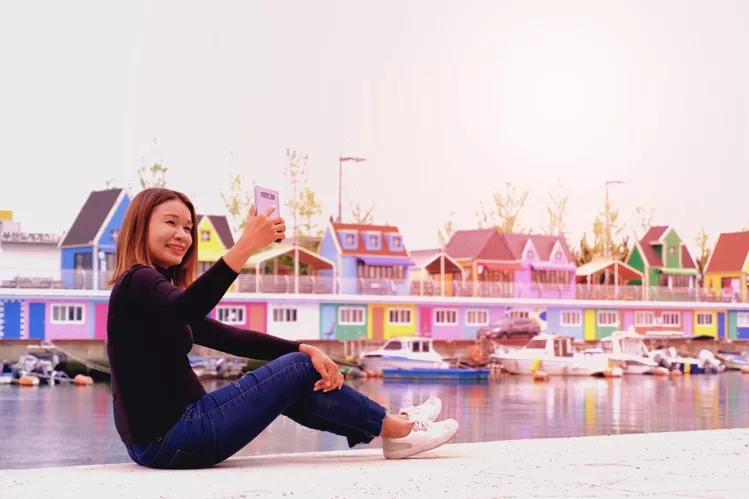
Bukchon Hanok Village showcases a unique collection of ancient houses of South Korea. Most of these ancient houses have been converted into tea houses, guesthouses, and famous boutiques. You will get a sight of the beautiful village to store in your memory.
There are various photographic opportunities to capture the moments and save them in your memories. When you travel to South Korea and then to Seoul, you will witness the traditional rooflines of the silhouettes against the modern skyline. This infrastructure showcases the urban charm of the Korean peninsula.
Bukchon Hanok Village sits on the hillside between Gyeongbokgung Palace and Changdeokgung Palace and is home to the largest collection of traditional hanok (Korean wooden architecture) houses in Seoul. The village contains about 900 hanoks, many of which have been converted into cultural experiences, tea houses, craft workshops, and guesthouses that allow visitors to experience traditional Korean domestic life. The famous view from Gahoe-dong No 1 Street looking down the stepped alley of traditional rooftops with N Seoul Tower visible in the background is one of the most photographed views in all of South Korea. The village is best visited early in the morning on weekdays before the Instagram crowds arrive, and the maze of small alleys rewards slow walking and spontaneous exploration.
— Things to See in Seoul Korea
Things to See in Seoul Korea
Myeongdong
Myeong-dong serves as the commercial heart of Seoul. It displays international brands in South Korea along with the local commercial shops. These local shops may include cosmetics shops, makeup shops, groceries, and other essentials for travelers to South Korea.
In these commercial markets, you can enjoy Korean fried chicken, hotteoks, also known as sweet pancakes, and K-beauty products. These commercial markets are famous all over the world for their quantity and quality. You often see such traditional food in South Korean movies and dramas.
Myeongdong is Seoul’s most visitor-oriented shopping district, a dense grid of streets between Seoul Station and Dongdaemun packed with Korean cosmetics brands (Innisfree, Sulwhasoo, The Face Shop, Olive Young), international fashion, and one of the best concentrations of street food in the city. The evening street food scene is particularly good – vendors set up along the main pedestrian street selling hotteok (sweet pancakes filled with brown sugar, cinnamon, and nuts), tteokbokki (spicy rice cakes), tornado potato (spiral-cut deep-fried potato on a stick), mango bingsu, and freshly grilled meats. The K-beauty shopping in Myeongdong is outstanding – the density of Korean cosmetics shops is unmatched anywhere in the world, and the prices are significantly lower than for the same products abroad.
— Things to See in Seoul Korea
Things to See in Seoul Korea: Insadong and Dongdaemun
Insadong is Seoul’s most atmospheric traditional district, a winding main street lined with antique shops, traditional craft galleries, tea houses, and independent restaurants serving Korean food in a setting of restored hanok buildings. The Sunday street market on Insadong-gil is one of the liveliest and most genuinely local outdoor markets in the city. The nearby Ikseon-dong neighbourhood, an alley district of converted 1930s-era hanoks that has become Seoul’s most fashionable cafe and restaurant area, is one of the most pleasant places in the city to spend an afternoon. Changdeokgung Palace, a UNESCO World Heritage Site considered architecturally superior to Gyeongbokgung in its harmonious integration with the surrounding forest, is within walking distance and should not be missed.
Dongdaemun is Seoul’s fashion and design district, anchored by the futuristic Dongdaemun Design Plaza (DDP) – Zaha Hadid’s extraordinary flowing structure of aluminium panels that hosts major design exhibitions and serves as a cultural landmark visible from across the city. The Dongdaemun Fashion Town stays open 24 hours and is the hub of Seoul’s wholesale fashion industry, with the Doota Mall and surrounding markets offering extraordinary variety in clothing, fabric, and accessories at all hours of the night.
Things to See in Seoul Korea: N Seoul Tower and Namsan
N Seoul Tower (Namsan Tower) on the peak of Namsan Mountain is one of the most recognisable landmarks in the city and gives the finest panoramic views of Seoul from any point in the metropolitan area. The tower can be reached by cable car from the Myeongdong area or by walking up the Namsan hiking trail, a pleasant 40-minute climb through wooded hillside above the city. The area around the tower is famous for the padlocks attached by couples to the fences around the viewing platform – a tradition that has spread to several other Korean cities. The observation deck at the top of the tower gives 360-degree views across Seoul’s vast extent of apartment towers, palaces, and the Han River stretching to the horizon.
Things to See in Seoul Korea: Hongdae and Gangnam
Hongdae, the district surrounding Hongik University, is the centre of Seoul’s youth culture, indie music scene, street art, and nightlife. The streets of Hongdae are lined with independent cafes in creative spaces, vintage clothing shops, live music venues, and the greatest concentration of K-pop dance academies in the city. The weekend flea market in Hongik Park is excellent for vintage goods and young designers’ work. Hongdae is at its most atmospheric on Friday and Saturday evenings when street performers fill the main square and the bars and clubs become genuinely packed with students.
Gangnam, the prosperous district south of the Han River made internationally famous by Psy’s 2012 hit song, is in reality a clean, affluent, and architecturally interesting area of sleek towers, luxury shopping, and excellent restaurants. The Starfield Library inside the COEX Mall – a towering two-storey space of floor-to-ceiling bookshelves that has become one of the most photographed interiors in Seoul – is worth visiting in its own right. The Bongeunsa Temple inside Gangnam, an active Buddhist monastery directly adjacent to the COEX convention centre, is one of the most striking examples of the juxtaposition of old and new that defines modern Seoul.
Things to See in Seoul Korea: Busan
Do you know which is the second-largest city in Korea? Busan is the second largest city of South Korea that serves as a perfect blend of traditional culture and modern sophistication. Haeundae Beach welcomes millions of tourists during the festival seasons, as the shorelines of this city become active with food items, live music, and cultural performances.
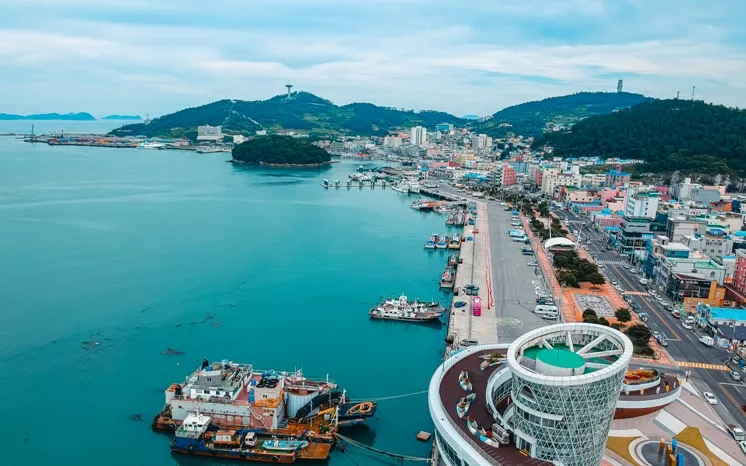
Busan sits on the southeastern tip of the Korean Peninsula, about 320 kilometres from Seoul, and is one of the most enjoyable cities in South Korea for visitors. The city has a topography completely different from Seoul – built around a natural harbour with mountains running down to the waterfront, so that the sea, the beaches, and the hills are always close to each other. The Haeundae area in the northeast has the most popular beach in South Korea, a long crescent of sand backed by a strip of luxury hotels, restaurants, and bars that becomes extremely lively in summer. The Gwangalli Beach area nearby has a beautiful view of the Gwangan suspension bridge at night and a concentration of excellent seafood restaurants along the waterfront.
— Things to See in Seoul Korea
Gamcheon Culture Village
Gamcheon Culture Village is also called the ‘Machu Picchu of Busan’. Gamcheon Culture Village showcases the traditional houses on the hillsides, making it the perfect spot to capture Instagram-worthy photographs. The village is transformed from a traditional rural community to a new artistic hub, providing an ideal place to capture experiences.
The active transformation of the village represents the urban success of South Korea, which can attract millions of tourists from all over the world. You can explore the significant and majestic places to enjoy the best experiences.
Gamcheon Culture Village was originally established in the 1950s as a settlement for refugees during the Korean War, built into a steep hillside above Busan’s port in tightly packed rows of colourful houses. A public art project beginning in 2009 transformed it into one of the most striking urban art installations in South Korea, with murals, sculptures, and installations integrated into the village’s alleyways and public spaces. The rooftop viewpoint at the top of the village gives a spectacular view of the layered coloured houses cascading down the hillside to the harbour below. The village has over 30 art installations and murals spread through its alleys, and exploring them with the visitor map (available at the entrance) is the best way to ensure you find the most important pieces.
— Things to See in Seoul Korea
Jagalchi Fish Market
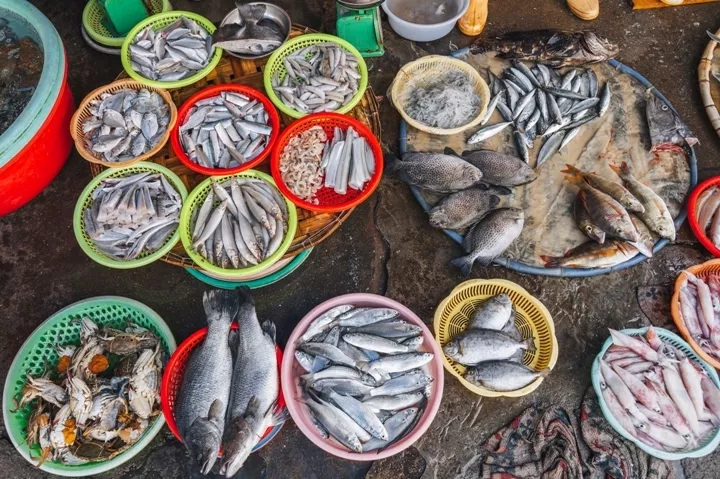
Jagalchi Fish Market serves tourists with the best seafood and all kinds of fish species that are prepared in the adjacent restaurants. This fish market is a blend of the local and international food of South Korea in the local streets. These local food markets give a unique experience, despite the local expertise available in all other countries.
Jagalchi is the largest fish market in South Korea and one of the most spectacular in Asia. The ground floor of the main building has tanks of live seafood – crabs, lobsters, clams, sea cucumbers, octopus, and dozens of species of fish – that can be chosen and taken upstairs to the restaurant floor to be prepared immediately in the Korean style. The outdoor market surrounding the main building extends for several blocks along the waterfront and is particularly lively in the early morning when the fishing boats bring in their catch. Eating raw fish (hoe) here, prepared freshly from fish that was swimming minutes before, is one of the essential food experiences in Busan.
Hotels in Busan
Budget: Adventure Backpackers Busan (from $20/night) near Haeundae Beach is a well-located hostel popular with backpackers. Banana Backpackers Busan (from $25/night) near Nampo-dong is another well-regarded budget option close to the Jagalchi market and Gamcheon.
Mid-Range: Aqua Palace Hotel (from $80/night) near Haeundae Beach is a comfortable mid-range option with sea views. Lotte City Hotel Busan (from $120/night) is a reliable mid-range chain property near the popular Seomyeon nightlife district with good transport links.
Luxury: Park Hyatt Busan (from $280/night) in the Marine City area has some of the finest sea views of any hotel in the city, a full spa, and excellent dining. Westin Josun Busan (from $250/night) at Haeundae Beach is a historic grand hotel in the finest location on the beach.
Jeju Island
Jeju Island is a part of the UNESCO World Heritage Site, offering a unique mixture of cultural traditions and geological heritage. Hallasan Mountain is termed as the highest mountain peak you could witness when you travel to South Korea. This beautiful place in Busan serves as a delightful blend of the temperate region and the tall alpine forests.
Jeju Island is South Korea’s most popular domestic holiday destination and one of the most beautiful natural environments in East Asia. The island, which is about 80 kilometres across at its widest point, was formed by volcanic eruptions and has a dramatic geological landscape: the shield volcano of Hallasan (1,950 metres, the highest point in South Korea) at the centre, the Manjanggul lava tube system (one of the longest in the world) on the northern side, the extraordinary basalt sea cliffs of the south coast, and hundreds of oreum (parasitic volcanic cones) scattered across the island. The subtropical climate, significantly warmer than the mainland, gives the island a different character from the rest of Korea – tangerine orchards, rape flower fields in spring, and palm-lined coastal paths.
Manjanggul Cave
One of the world’s largest tube systems is present in South Korea in the form of the Manjanggul Cave. Seongsan Ilchulbong offers stunning sunrise views from different angles that attract photographers from all over the world to travel to South Korea. Several beautiful waterfalls in these islands highlight a watery atmosphere that grows lush green vegetation, like Cheonjiyeon and Jeongbang.
Manjanggul Cave is a lava tube approximately 13.4 kilometres long, of which about 1 kilometre is open to visitors. The cave was formed by lava flowing from Hallasan about 300,000 years ago, and the interior contains spectacular geological features including lava column formations, lava stalactites, and the world’s largest known lava column (7.6 metres tall) at the far end of the visitor section. The constant temperature inside the cave (around 11-12°C) makes it a pleasant escape from the summer heat. Seongsan Ilchulbong (Sunrise Peak) on the eastern tip of the island is a UNESCO World Heritage Site – a tuff cone rising 182 metres above the sea with a spectacular crater at its summit, accessed by a staircase of 600 steps that brings you to one of the finest views in South Korea.
Hotels in Jeju Island
Budget: Jeju Kkotdam Hostel (from $25/night) near Jeju City is a popular budget hostel with good facilities and free bicycle rental. Tamna Backpackers (from $20/night) is another well-reviewed option in Jeju City with easy access to the main attractions.
Mid-Range: Jeju Shinhwa World Hotels (from $100/night) is a large resort complex on the western side of the island with multiple hotel brands, a water park, and good family facilities. Hotel Maison de Poets (from $90/night) near Seongsan is a charming boutique option close to the eastern attractions.
Luxury: Shilla Stay Jeju (from $200/night) is a premium property from the Shilla Hotels group with excellent facilities and sea views. Nine Bridge Resort (from $350/night) in the Seogwipo area is one of the finest luxury hotels in Jeju with a world-renowned golf course and beautiful coastal setting.
— Things to See in Seoul Korea
Gyeongju
Gyeongju, the former capital of the Silla Dynasty, is nicknamed ‘Museum without Walls’ when you travel to South Korea. Bulguksa Temple and Seokguram Grotto showcase the sights of Buddhist art and historic culture. The Daereungwon Tomb Complex preserves royal burial mounds that contain artifacts that are 1,000 years old.
Gyeongju is one of the most historically significant cities in South Korea and one of the most rewarding for visitors with an interest in Korean history and Buddhist art. The city served as the capital of the Silla Kingdom for about 1,000 years (57 BC to 935 AD), and the landscape around the modern city is scattered with royal tombs, temple ruins, stone carvings, and Buddhist statuary in a density that is extraordinary. The Bulguksa Temple complex, about 15 kilometres southeast of the city, is one of the finest examples of Silla Buddhist architecture in existence – a harmonious arrangement of stone staircases, halls, and pagodas that was designated a UNESCO World Heritage Site in 1995. The Seokguram Grotto on the hillside above Bulguksa is a granite dome sheltering a seated Buddha statue of extraordinary beauty and refinement, considered one of the masterpieces of Buddhist art in Asia.
The Daereungwon Tomb Complex in the centre of Gyeongju contains over 20 large grassy burial mounds of Silla royalty, and the Cheonmachong and Michu Tumuli are open to visitors. The tomb interiors have yielded extraordinary gold crowns, jewellery, and artefacts now displayed in the National Museum of Gyeongju, which has one of the finest collections of Silla period art in the world.
— Things to See in Seoul Korea
Hotels in Gyeongju
Budget: Gyeongju Backpackers (from $20/night) near Bulguksa Temple is a convenient and well-run budget option. Gyeongju Hana Guesthouse (from $30/night) offers simple but clean rooms close to the main historical sites.
Mid-Range: Hotel Concorde Gyeongju (from $80/night) is a comfortable mid-range hotel with good facilities near the historic district. Hilton Gyeongju (from $150/night) is an upscale option with excellent amenities near Bomun Lake.
Luxury: The Hyundai Hotel Gyeongju (from $200/night) is the finest property in the city, with beautiful grounds near Bomun Lake and traditional Korean architectural elements. Commodore Hotel Gyeongju (from $180/night) is another established luxury option with good facilities.
Activities in South Korea
Once you travel to South Korea, there are several activities to perform in this unique country. After the visit to the major cities like Seoul, Busan, and the countryside, there are many more activities you can perform. Explore the cultural heritage, especially the K-pop culture, and enjoy local food streets or the international restaurants whenever you travel to South Korea.
Cultural Heritage of South Korea
The cultural heritage combines modern sophistication with the centuries-old experiences of the residents. If you travel to South Korea and visit the Gyeongbokgung Palace while wearing the traditional dress called hanbok, you will explore its rich cultural heritage. Many rental shops in South Korea offer a photographic session and a service for tourists.
Several Buddhist temples welcome you when you travel to South Korea to take part in meditations, tea ceremonies, and vegetarian food preparation ceremonies. Bulguksa Temple and Haeinsa Temple provide a place for meditation services, along with the extraordinary cultural and architectural designs. The beauty of these temples can be discovered when you travel to South Korea.
Bukchon Village and Jeonju’s Hanok Village provide basic accommodation services with Korean-based traditions and ondol. This is commonly referred to as heated floor service. There are lavish arrangements, along with good dining services and local and international cuisine.
You can stay in these accommodating places by enjoying all the luxury services they provide to tourists and visitors. All these cultural experiences are ready for you to explore the beautiful areas of the country.
Jeonju Hanok Village in the North Jeolla Province is the most complete and authentic surviving hanok village in South Korea, with over 700 traditional wooden houses spread through the old quarter of the city. Unlike Bukchon in Seoul, Jeonju’s Hanok Village is a living community where people actually live among the traditional buildings rather than a converted tourist attraction. The village is also famous for its food – Jeonju-style bibimbap, the mixed rice dish served in a stone bowl with an egg and a wide variety of vegetable toppings, is the most famous version of the dish in Korea, and the Jeonju Night Market is one of the finest street food markets in the country. The Hanji (traditional Korean paper) culture of Jeonju, the Pansori traditional music tradition, and the Andong Hahoe Folk Village a few hours northeast (a UNESCO World Heritage site of genuinely inhabited traditional houses) are all essential experiences for understanding traditional Korean culture beyond Seoul.
DMZ Tour
One of the most unusual and memorable things to see in Seoul Korea and its surroundings is a tour to the Demilitarized Zone (DMZ) that separates South Korea from North Korea, about 50 kilometres north of Seoul. The DMZ is a 4-kilometre-wide buffer zone running the entire width of the Korean Peninsula, and it is one of the most heavily fortified borders in the world and also, paradoxically, one of the most biologically rich – 70 years of human absence has allowed wildlife to flourish in the buffer zone.
Day tours from Seoul visit the Third Infiltration Tunnel (one of four tunnels dug by North Korea under the DMZ), the Dora Observatory (from which you can see North Korea on clear days), and Dorasan Station (the southernmost railway station in South Korea, built in anticipation of eventual Korean reunification). The Joint Security Area (JSA) at Panmunjom, where the 1953 armistice was signed and where soldiers from both Koreas face each other across the Military Demarcation Line, can be visited on separate specialist tours. This experience is sobering, fascinating, and like nothing else available anywhere in the world.
K-Pop Culture
Get a glimpse of the entertainment industry when you travel to South Korea. The country is making progress in the entertainment industry and celebrity culture day by day. HYBE Insight Museum is offering a glimpse of the progress of K-pop music and K-pop culture.
Enjoy the behind-the-scenes of K-pop culture and traditional practices. You can visit the SM Town to get a glimpse of celebrity culture and K-pop. There are several K-pop dance classes in Hongdae and Gangnam. They are giving training to people who want to become professionals in dance classes and get expert tips on the entertainment industry and Korean culture.
If you travel to South Korea, you can experience the teaching classes. There are several choreographers associated with popular K-pop groups like BTS, BLACKPINK, and TWICE. Several video recordings and cameras are making the environment an entertaining and unique one, making the atmosphere full of amusement and joy.
In Seoul, several shooting and K-pop filming cultures take you on a journey to different locations, famous in the Korean film industry. These places may include the famous Namsan Tower, Bonpo Rainbow Bridge, and various university campuses featured in Korean movies. All these entertaining and joyful experiences are waiting for you to make unforgettable memories.
K-pop has become one of South Korea’s most powerful cultural exports and a major reason why many international visitors choose to travel to South Korea in the first place. The industry is centred on the three major entertainment companies – HYBE (home of BTS), SM Entertainment (EXO, NCT, aespa), and YG Entertainment (BLACKPINK, BIGBANG) – all located in Seoul. The HYBE Insight Museum in the Yongsan district is the most comprehensive K-pop experience open to general visitors, with interactive exhibitions tracing the history of Korean pop music and the specific stories of HYBE’s artists. The K-Star Road in Gangnam has bear statues representing different K-pop groups. The SM Town COEX Artium in Gangnam has a store, cafe, and exhibition space. K-pop themed tour packages are available across Seoul and include dance classes, studio visits, music video filming location tours, and opportunities to watch fan signing events.
— Things to See in Seoul Korea
Adventure in Nature
Several mountainous and adventurous experiences in South Korea amuse oneself. Whether there are dangerous mountainous climbs, hiking tracks, boat water travels, or skiing adventures, you can enjoy all of them when you come to South Korea. Seoraksan National Park offers different hiking trails to locals, visitors, and tourists who plan a trip to South Korea.
Yeouido Park in Seoul, Busan’s Hwangnyeongsan Mountain, and Gyeongju’s Bomun Lake are famous places in South Korea. These places transform into a wonderland in the Spring season. There are cherry blossoms in full bloom between March and May.
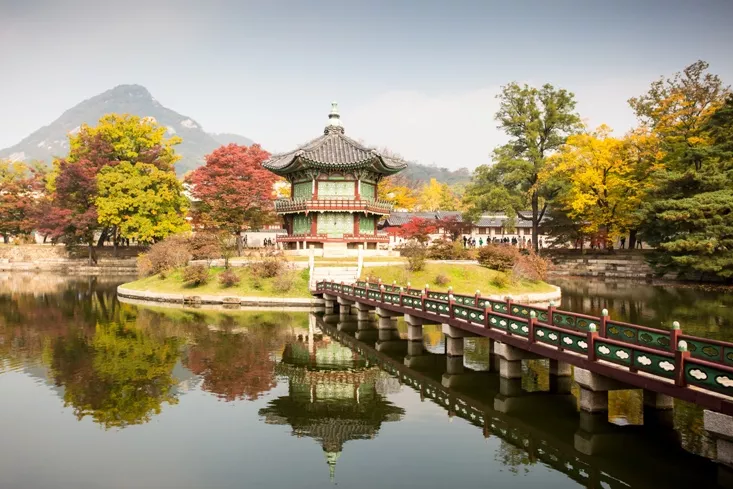
The autumn foliage season arrives between October and November. During this season, there are sights of leaves of the trees in red, green, and yellow colors. Summer and winter seasons can also be enjoyed in these areas of South Korea to enjoy the weather conditions at their peak.
Han River offers cycling and walking paths for tourists and locals to travel and hike for kilometers in Seoul. There are recreational areas and resorts with traditional food to serve people who travel to South Korea. If you want to enjoy the service of good cycling tracks, there are various bike rental stations for tourists.
— Things to See in Seoul Korea
Seoraksan National Park in Gangwon Province, about 3 hours northeast of Seoul by bus or train to Sokcho, is one of the most spectacular natural environments in South Korea. The park contains granite peaks, autumn foliage of extraordinary intensity (the best in the country), the Ulsanbawi Rock (a cluster of massive granite boulders at the summit of the main ridge), and the Biryong and Towangseong Falls. The cable car from Seorak Village takes you partway up the mountain, and from there the Ulsanbawi hike (about 2.5 hours return) is one of the finest accessible mountain walks in Korea. The autumn colour season in Seoraksan, typically in mid-October, draws crowds of hikers from across the country who come specifically for the foliage.
Skiing in South Korea is world-class by Asian standards. The 2018 Winter Olympics were held in Pyeongchang in Gangwon Province, and the facilities built for that event – Alpensia, Yongpyong, and Bokwang Phoenix Park – continue to operate as major ski resorts. All three are about 2 hours from Seoul by the KTX high-speed train and can be visited as day trips or weekends from the capital. Vivaldi Park in Gangwon is another popular resort closer to Seoul. The ski season runs from mid-November to March.
Accommodations in South Korea
If you come to South Korea, you may ask yourself, ‘Where to stay in South Korea?’ There are several accommodating places. Here, you can enjoy the stay areas ranging from budget-friendly to luxury ones, like clean and tidy rooms, room service, cuisine flavors, and parking facilities.
Budget-Friendly Areas
If you travel to South Korea, you can stay at various hotels and resorts in Seoul, Busan, and Jeju Island, where prices range from $25 to $35 per night. You can get multiple experiences by taking advantage of good room services, dining areas, and tours in South Korea.
South Korea has an excellent network of budget accommodation including guesthouses (called 모텔 motels or 게스트하우스 guesthouses), hostels, and the uniquely Korean jjimjilbang (24-hour public bathhouses that offer sleeping areas). The jimjilbang culture is one of the most distinctive experiences available to budget travellers in Korea – for about $10-15, you get unlimited use of the hot spring baths, saunas of different temperatures, a communal sleeping area with ondol-heated floors and sleeping mats, and various food and entertainment facilities. Jjimjilbangs are open 24 hours and are used by Koreans of all ages and economic backgrounds, making them an excellent and affordable way to experience local life.
Mid-Range Areas
Several mid-range hotels in South Korea serve tourists with basic amenities and facilities within a price range of $60-100 per night. These areas serve all the primary facilities to the people, like room services, dining services, parking services, and free internet services.
Luxury Areas
Luxury and Boutique houses include several converted Honda houses, international houses, and luxury hotels with all the basic facilities when they travel to South Korea. All these luxury facilities are available in South Korea within a price range of $150-400 per night.
Seoul has some of the finest luxury hotels in Asia. The Signiel Seoul in the Lotte World Tower (the world’s fifth tallest building) has rooms starting on the 76th floor with views across the city that are among the most spectacular of any hotel anywhere. The Grand Hyatt Seoul on the slopes of Namsan Mountain has excellent views of central Seoul and one of the city’s best outdoor pools. The Josun Palace in Gangnam is a beautifully designed modern luxury hotel that draws on traditional Korean architectural elements. The Leeum Museum of Art, directly adjacent to the Itaewon neighbourhood, is one of the finest private art museums in Asia and is worth visiting alongside any stay in the area.
Culinary Experiences
Korean street foods like Korean BBQ and kimchi will please you to make your trip to South Korea a wonderful one. Korea has made genuine progress in its culinary arts, leading to a never-ending taste of both local and international cuisine. Korean BBQ charges $15-20 per person when visiting South Korea to taste its street food.
Kimchi, more commonly called fermented vegetables, samgyeopsal (grilled pork belly), sundubu jjigae (soft tofu stew), and japchae (sweet potato noodles) are must-try dishes. Busan’s milmyeon in the form of cold noodles and Jeju’s black pork provide a never-ending splash of experience. All these kinds of cuisines are waiting for you when you plan a trip to South Korea.
Korean cuisine is one of the world’s great food cultures, built around an extraordinary variety of fermented ingredients, bold flavours, and a philosophy of serving multiple small dishes (banchan) alongside a main course. The most internationally famous Korean food is Korean BBQ (samgyeopsal or galbi), where marinated or unmarinated meat is grilled at the table over a charcoal or gas grill and eaten with lettuce wraps, garlic, ssamjang dipping sauce, and a parade of banchan side dishes. Insadong Garlic Bossam (slow-braised pork belly wrapped with garlic) and Gogung Tteurak (traditional Korean buckwheat noodles with kimchi and pork) are two of the most iconic dishes to try near the historic districts of Seoul. Jongno Bansanghoe, in the heart of the old city, is one of the finest traditional Korean restaurants in Seoul, serving the full ceremonial table setting of royal court cuisine.
— Things to See in Seoul Korea
Best Time to Visit South Korea
The Spring season in South Korea transforms the country into a wonderland. During this season, the flowers bloom at their fullest, giving a pink, glossy look to several regions of the country. Autumn foliage comes between September and November.
Autumn gives red, green, and yellow colors to the leaves of trees, leading to an unforgettable journey in South Korea. The fall season is a unique and different experience that makes your trip to South Korea memorable. The summer season could be enjoyed between June and August, leading to the opening of an open area for locals and tourists.
These locals and tourists can discover various beaches and open-air sights when they travel to South Korea, especially in Busan and Jeju Island. The winter season typically runs from December to February. These months offer experiences of skiing resorts, beautiful landscapes, and cozy indoor activities in South Korea.
Spring (March to May)
Spring (March to May) is the most popular season to visit South Korea and the best time for things to see in Seoul Korea, primarily because of the cherry blossom season. The blossoms typically peak in late March to mid-April, and the parks, streets, and riverside promenades of Seoul, Gyeongju, and Jinhae (which has the largest cherry blossom festival in Korea) are transformed into one of the most beautiful natural spectacles in Asia. The Jinhae Gunhangje Festival in late March or early April, when the city’s 360,000 cherry trees bloom simultaneously, is considered the finest cherry blossom event in the country. Temperatures in spring are mild (10-20°C), crowds are manageable before the school holiday period, and accommodation is at mid-range prices.
— Things to See in Seoul Korea
Autumn (September to November)
Autumn (September to November) is equally outstanding and many experienced visitors prefer it to spring. The maple and ginkgo foliage colours in October and early November are spectacular, particularly in the national parks and mountain areas. Seoraksan National Park typically peaks in mid-October, Naejangsan National Park (famous for its particularly intense maple colours) in late October to early November. Seoul’s Bukhansan National Park, Gyeongju’s Namsan, and the hillsides around Jeju’s Hallasan are all magnificent in autumn. Autumn also has pleasant temperatures (15-25°C in October) and lower tourist numbers than spring.
Summer (June to August)
Summer (June to August) is hot, humid, and includes the monsoon season (late June to late July), which brings heavy rainfall. Despite the weather, summer is the peak season for beach tourism at Haeundae and Gwangalli in Busan and the beaches of Jeju Island. The Boryeong Mud Festival in July and the Busan International Film Festival in October are two of Korea’s most famous events.
Winter (December to February)
Winter (December to February) is cold (temperatures regularly below freezing in Seoul) but has the advantage of ski resorts, Christmas markets, and the extraordinary Hwacheon Sancheoneo Ice Festival (January) where participants fish through holes in the frozen river for mountain trout.
Transportation in South Korea
The infrastructure of South Korea is best for experiencing the transportation services present in different regions of the country. The Korea Rail Pass offers a train tour for 21 days with all the basic facilities to explore South Korea. Get a Korean Rail Pass that will make your travel in South Korea a time-saving experience.
There are T-money cards in Seoul and Hanaro cards in Busan that provide easy access to the subway for tourists visiting South Korea. These are rechargeable cards that are available at every subway station and are easy to purchase. They will make your trip to different regions of South Korea accessible and possible.
SIM Cards and Pocket Wifi are also a perfect service for locals and visitors to enjoy free internet when they plan a trip to South Korea. Airport pickup services and delivery options are a good option for people. You should get your SIM Card and pocket service before landing in Seoul to save time and money.
The KTX (Korea Train Express) high-speed rail network is the backbone of intercity travel in South Korea and one of the most efficient train systems in the world. Seoul to Busan takes 2 hours 15 minutes on the fastest services. Seoul to Gyeongju takes about 2 hours. Seoul to Jeonju takes about 1 hour 40 minutes. All major cities and many smaller ones are connected by the network, and fares are reasonable by international standards. Incheon International Airport, consistently rated among the world’s best airports, is connected to central Seoul by the Airport Railroad Express (AREX) which takes about 43 minutes to Seoul Station and 51 minutes to Hongik University Station (for Hongdae). Taxis in South Korea are excellent value, plentiful, and equipped with GPS navigation. Kakao T is the main taxi-hailing app and works reliably throughout the country.
Sign up to our newsletter and grab tickets at lowest prices
— Things to See in Seoul Korea
FAQ - Things to See in Seoul Korea
Most visitors from the UK, the USA, Canada, Australia, and European countries can travel to South Korea without a visa for almost 90 days. All you need to do is check the current visa policy of the country. This will save you from any kind of frustration and waste of time.
South Korea offers various services to locals and visitors within a reasonable budget. If you want to come to South Korea and enjoy all the basic facilities, you can check the price tags ranging from budget-friendly to luxury ones. In this way, you can enjoy South Korea with all types of budgets.
South Korea is generally less expensive than Japan and comparable to Western European countries for food and accommodation, but significantly cheaper for transport and street food. A street food meal at a pojangmacha (street stall) costs around $3-8. A casual restaurant meal for one costs $8-15. A proper Korean BBQ dinner for two with drinks costs $25-50. Accommodation ranges from $20-30 for hostel dorms to $60-120 for mid-range hotels and $200-500+ for luxury. The T-money transport card makes getting around Seoul and other cities extremely affordable - metro journeys cost about $1.20-1.50.
Yes, South Korea is a safe place if you travel alone or with your family and friends. There are security services with extra safety at different locations for locals, tourists, and visitors. The police service is also an active one, to enjoy your trip in South Korea.
South Korea consistently ranks among the safest countries in the world for tourists. Violent crime against tourists is extremely rare. Seoul in particular has a strong police presence, extensive CCTV coverage, and a culture of general helpfulness toward visitors. Women travelling solo consistently report very positive experiences. The main practical concerns are the same as in any major city: keeping belongings secure in crowded tourist areas and being aware of your surroundings at night. The red-light district areas of Itaewon and a few other zones are best avoided very late at night, but the rest of Seoul is safe to explore at any hour.
You can get transport cards from different subway stations in South Korea. The internet pocket cards are also available in the country with a rechargeable service. All you need is to own them before starting your stay in South Korea.
T-money cards can be purchased and topped up at any convenience store (CU, GS25, 7-Eleven) and subway station throughout South Korea. For mobile data, the best options for tourists are either renting a pocket WiFi device from the airport arrival hall or purchasing a tourist SIM card (available from major mobile operators and from machines in the airport arrivals area). Tourist SIM cards from SKT, KT, and LG Uplus offer data-only or data-plus-calls options valid for 5-30 days. Naver Maps (in Korean) and Kakao Maps (has a reasonable English mode) are the most reliable navigation apps in South Korea and work better than Google Maps for Korean addresses.
The best day trips from Seoul depend on your interests. Suwon Hwaseong Fortress (1 hour south by subway) is a UNESCO-listed 18th-century walled city with well-preserved gates and ramparts. Jeonju Hanok Village (1 hour 40 minutes by KTX) is the most authentic traditional village in South Korea with excellent food. Gyeongju (2 hours by KTX) is the open-air museum of Silla Kingdom history. Seoraksan National Park (3 hours by bus to Sokcho) is the finest mountain scenery accessible from Seoul. The DMZ (1 hour north) is a uniquely sobering and fascinating experience. Nami Island (1.5 hours by train and ferry), famous from the Korean drama Winter Sonata, is a popular autumn foliage and spring cherry blossom destination.
The most famous things to see in Seoul Korea include Gyeongbokgung Palace and the Changing of the Royal Guard, Bukchon Hanok Village, N Seoul Tower (Namsan Tower) for panoramic city views, the vibrant shopping and street food of Myeongdong, the traditional craft district of Insadong, the K-pop culture hub of Hongdae, the futuristic Dongdaemun Design Plaza (DDP), Gwangjang Market for traditional street food, the Han River parks for cycling and riverside picnics, Changdeokgung Palace (a UNESCO World Heritage Site), and the Bongeunsa Temple inside Gangnam as an example of ancient-meets-modern Seoul.
— Things to See in Seoul Korea
Conclusion | Things to See in Seoul Korea
South Korea presents a perfect blend of modern innovations, such as unique infrastructure, and ancient traditions, including old Buddhist temples. The country is keeping pace with the contemporary world in terms of culinary aesthetics, celebrity culture, and accommodation services. The infrastructure of Seoul and the railway system of Busan are the best when you ask for the best places in South Korea.
If you are reading this article, it is your sign to travel to South Korea to enjoy the unforgettable experiences of the natural attractions of the country. Have a pre-booking before you head towards the beautiful destination of South Korea. A pre-planned tour to South Korea can help you make your trip a memorable one.
The things to see in Seoul Korea alone would justify any trip to the country, but South Korea rewards visitors who venture beyond the capital. The seafood and beach culture of Busan, the volcanic drama of Jeju Island, the Buddhist art and royal tombs of Gyeongju, the living hanok villages of Jeonju and Andong, the mountain scenery of Seoraksan, and the sobering experience of the DMZ together create one of the most diverse and rewarding travel destinations in Asia. South Korea is compact enough to cover in two weeks and rich enough to keep you coming back for years.
If you still need more comparison information you can also read our articles on Australia, Canada, China, Cuba, China, Germany, and other top 25 destinations of the tourist all over the globe. We are also trying to cover as much as possible information for our visitors to satisfy all their possible questions about the travel and planning their holidays. You can also find a very useful resource of holiday planner, in this tool we give you the holidays of top 30 countries of the world.

Ghufran Khan
I’m a cybersecurity professional with 18+ years of IT experience, currently working in the Canadian government sector. Over the past 15 years, I’ve travelled to 37 countries, living and working in six of them. As a Level 4 My background in cybersecurity enables me to offer unique insights into travel safety and digital security. From the food streets of Lahore to the culinary scenes of Dubai, Mississauga, Turkey, and Italy, I believe the best way to experience any destination is through its food.