

Things to do in Barcelona Spain
Discover the vibrant and enchanting culture, stunning landscapes, rich and exciting history, hidden coves, and drenched beaches of Spain.
— Things to do in Barcelona Spain
Things to do see in Barcelona, Spain
Have you ever visited Spain? You should plan a trip to Spain due to its favorable conditions. Spain attracts tourists because of an intoxicating blend of rhythms, and is known for its architectural marvels that will make your travel to Spain the best tour, from sun-drenched beaches to the Costa del Sol and the artistic treasures of Barcelona’s Gothic Quarter. The best places to find hotels while travel to Spain is Booking.com. During the travel to Europe Germany is also one of the best places to visit and France is also one of the top tourist destination.
Spain tourist attractions also include the seeking grandeur of Moorish Palaces, and the vibrant energy of Spanish festivals. The simple pleasures of flavoring tapas at sidewalk cafes are always attractive to tourists. Spain delivers such experiences that are captivating to tourists and force them to plan their next tour to Spain and make their travel to Spain the most memorable.
Spain sits on the Iberian Peninsula in southwestern Europe, sharing borders with Portugal to the west, France and Andorra to the north, and facing the Mediterranean Sea to the east and south, with the Atlantic Ocean to the northwest. It is the second-largest country in the European Union by area and one of the most visited countries on earth, drawing over 83 million international tourists in a typical year. The country’s appeal comes from the extraordinary diversity of what it offers – world-class art museums in Madrid, Gaudí’s incomparable architecture in Barcelona, the Moorish palace complex of the Alhambra in Granada, the wine country of La Rioja and Ribera del Duero, the mountain walking of the Pyrenees and Picos de Europa, and some of the finest beaches and coastal scenery in the Mediterranean.
Spain is divided into 17 autonomous communities, each with its own distinct character, language, cuisine, and traditions. Catalonia in the northeast has Barcelona and its own language and culture. Andalusia in the south is the home of flamenco, tapas bars, and the Moorish architectural heritage of Seville, Granada, and Cordoba. The Basque Country in the north has its own ancient language, the finest pintxos bars in Spain, and a coastline of extraordinary beauty. Galicia in the northwest has a green, Celtic-influenced culture and the famous pilgrimage route of the Camino de Santiago. This regional diversity is one of the things that makes Spain one of the most rewarding countries in the world to explore over multiple visits.



— Things to do in Barcelona Spain
Best Cities in Spain
There are a lot of best cities in Spain that attract tourists from all around the world. These cities bewitch tourists because of their captivating specialties. These cities will never disappoint their visitors and fail to amaze them with their beauty.
Things to Do in Barcelona
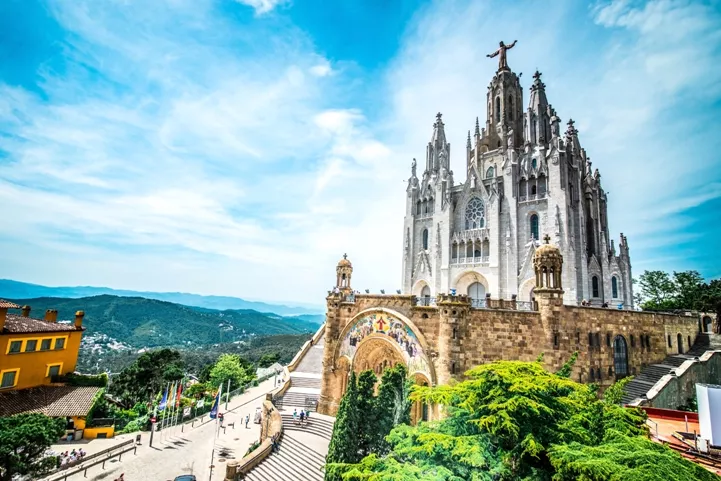
Barcelona stands as the crown jewel of Spain’s art and architecture, and this city is one where modernization meets Mediterranean magic. Your travel to Spain will become the most attractive one when you visit Barcelona. This is an attractive city, including Sagrada Familia, which dominates the skyline with its intricate facades.
Spain tourist attractions include Park Guell, which gives panoramic views of the city through its colorful mosaic wonderland. If you want to enjoy it the most, then you should book your skip-the-line ticket. The Sagrada Familia is just to avoid the crowds and to have a comprehensive visit to Gaudí’s masterpiece.
The Gothic Quarter wavers in medieval streets and leaves a lasting impression through centuries of history. The hidden plazas reveal charming and beautiful cafes with large and beautifully designed boutique shops. Your travel to Spain will become more fascinating if you visit La Rambla, which fills the street with different sorts of performers and flower vendors.
La Boqueria Market, where you can sample fresh seafood, Spanish cheeses, and local delicacies that attract the tourists the most. The best cities in Spain include Barcelona, which will make you tour the most enchanting. Spanish food tours mostly offers you to reserve a Gothic Quarter food tour, to discover hidden culinary gems.
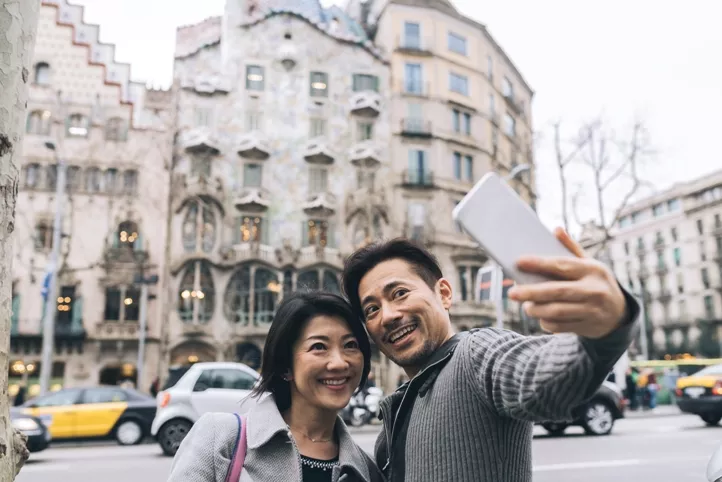
Barcelona is a city of extraordinary richness for anyone who enjoys architecture, food, beaches, and nightlife. The Sagrada Familia, Antoni Gaudí’s cathedral that has been under construction since 1882 and is still not finished, is one of the most remarkable buildings in the world and the most visited paid monument in Spain. Gaudí’s other works across the city form a collection unlike anything else in European architecture: the flowing organic forms of Casa Batlló and Casa Milà (La Pedrera) on the Passeig de Gracia, the mosaic-covered paths and the famous tiled bench of Park Güell above the city, and the Palau Güell in the Raval neighbourhood. The Passeig de Gracia itself is one of the finest boulevards in Europe, lined with Modernista buildings, luxury boutiques, and excellent restaurants.
Beyond the Gaudí landmarks, Barcelona has a remarkable range of things to see and do. The Picasso Museum in the El Born neighbourhood contains the world’s largest collection of works from Picasso’s formative years and is housed in five connected medieval palaces. The MNAC (Museu Nacional d’Art de Catalunya) on Montjuic has one of the world’s finest collections of Romanesque art. Montjuic itself, the hill overlooking the port, has the Fundació Joan Miró, the 1992 Olympic Stadium and facilities, and the Castell de Montjuic giving panoramic views over the city and sea. The Barceloneta beach below the city is one of the best urban beaches in Europe, and the string of beaches running northeast from there – Bogatell, Mar Bella, Nova Icaria – are excellent for swimming, running, and cycling.
Things to Do in Barcelona
Barcelona is a city of extraordinary richness for anyone who enjoys architecture, food, beaches, and nightlife. The Sagrada Familia, Antoni Gaudí’s cathedral that has been under construction since 1882 and is still not finished, is one of the most remarkable buildings in the world and the most visited paid monument in Spain. Gaudí’s other works across the city form a collection unlike anything else in European architecture: the flowing organic forms of Casa Batlló and Casa Milà (La Pedrera) on the Passeig de Gracia, the mosaic-covered paths and the famous tiled bench of Park Güell above the city, and the Palau Güell in the Raval neighbourhood. The Passeig de Gracia itself is one of the finest boulevards in Europe, lined with Modernista buildings, luxury boutiques, and excellent restaurants.
Beyond the Gaudí landmarks, Barcelona has a remarkable range of things to see and do. The Picasso Museum in the El Born neighbourhood contains the world’s largest collection of works from Picasso’s formative years and is housed in five connected medieval palaces. The MNAC (Museu Nacional d’Art de Catalunya) on Montjuic has one of the world’s finest collections of Romanesque art. Montjuic itself, the hill overlooking the port, has the Fundació Joan Miró, the 1992 Olympic Stadium and facilities, and the Castell de Montjuic giving panoramic views over the city and sea. The Barceloneta beach below the city is one of the best urban beaches in Europe, and the string of beaches running northeast from there – Bogatell, Mar Bella, Nova Icaria – are excellent for swimming, running, and cycling.
Hotels in Barcelona
Budget: Generator Hostel Barcelona (from $25-40/night) is one of the best-rated budget options in the city, located in Gracia with a rooftop terrace and social atmosphere. Barcelo Raval (from $60/night) is a budget-friendly boutique hotel in the Raval neighbourhood with a rooftop bar giving outstanding views.
Mid-Range: Hotel Arts Barcelona (from $150-200/night in shoulder season) is a 44-storey skyscraper right on the beachfront near the Port Olimpic with spectacular sea and city views, two pools, and a Michelin-starred restaurant. Ohla Barcelona (from $120/night) is a design boutique hotel in the Gothic Quarter with a rooftop pool and excellent location for exploring the old city on foot. Hotel Neri (from $130/night) sits directly in the Gothic Quarter on a beautiful medieval square, converted from an 18th-century palace.
Luxury: Hotel Arts Barcelona (from $350/night in peak season) and the W Barcelona (from $300-600/night) at the tip of Barceloneta beach are the two flagship luxury properties in the city. The W, designed by Ricardo Bofill in the shape of a sail, has a Sky Bar on the 26th floor with the finest views in Barcelona. Casa Camper Barcelona (from $220/night) in the Raval is a design-led luxury boutique hotel from the Camper shoe company with a 24-hour free dining room.
— Things to do in Barcelona Spain
Things to Do in Barcelona - Month by Month Guide
Barcelona offers something genuinely rewarding in every month of the year. The city’s Mediterranean climate means it is rarely too cold or too wet to enjoy the outdoor attractions, and the cultural calendar runs year-round. Here is a detailed guide to what to do in Barcelona each month.
Things to Do in Barcelona in January
January is Barcelona’s quietest and most affordable month, with fewer tourists than any other time of year and noticeably lower prices for accommodation and flights. The weather is cool (average 13°C) but rarely cold enough to prevent sightseeing. Visiting the Sagrada Familia, Park Güell, and the Picasso Museum in January means shorter queues and a more atmospheric experience than in summer. The city’s excellent museum scene comes into its own – the CCCB (Centre de Cultura Contemporania de Barcelona), the Fundació Joan Miró, and the MACBA (Museum of Contemporary Art) all have winter programming. The Mercat de Santa Caterina, an alternative to the Boqueria with a spectacular undulating tiled roof, is less crowded and perfect for a morning food exploration. January also sees the sales season in the city’s excellent shopping districts around Passeig de Gracia and the Eixample.
Things to Do in Barcelona in February
February brings the carnival season to Barcelona, with the Sitges Carnival (about 40 kilometres south of the city) being one of the most flamboyant and exuberant carnival celebrations in Spain – the fancy dress parades through the old town of this LGBTQ-friendly coastal town are spectacular and easily reached by train from Barcelona in 40 minutes. In Barcelona itself, the Baro de Viver neighbourhood hosts carnival celebrations. February is also an excellent month for visiting the city’s indoor attractions without summer crowds: the Palau de la Musica Catalana, the Modernista concert hall designed by Lluís Domènech i Montaner, has regular evening concerts and the morning guided tours of the extraordinary stained-glass interior are a highlight of any Barcelona visit. Valentine’s Day falls in February and coincides with the Catalan celebration of La Diada de Sant Jordi in spirit – though Sant Jordi itself is in April, many restaurants and bars have romantic February programming. The food market scene is excellent this month.
Things to Do in Barcelona in March
March sees the city beginning to wake up after winter with longer days and mild temperatures (average 15°C) that make walking the city comfortable and enjoyable. The beaches are not yet warm enough for swimming but the coastal promenade from Barceloneta through Bogatell and Mar Bella is excellent for morning runs and cycling. March brings increasing programming at the city’s theatres and concert venues – the Gran Teatre del Liceu, Barcelona’s opera house on La Rambla, is one of Europe’s great opera venues and has performances most evenings. The street art walking tours in the Poblenou and Gracia neighbourhoods are particularly good in March before the summer heat makes extended outdoor walking uncomfortable. The Mercat de Sant Antoni, the restored 19th-century covered market in the Eixample, has a brilliant Sunday second-hand book market outside its walls that is a favourite of Barcelona residents.
Things to Do in Barcelona in April
April is one of the best months to visit Barcelona, combining reliable warm weather (average 17-19°C), still-manageable tourist numbers, and the extraordinary cultural celebration of La Diada de Sant Jordi on April 23rd. Sant Jordi is Catalonia’s version of Valentine’s Day – men give women roses, and women give men books – and the result is that the entire city fills with outdoor book stalls and flower vendors for a single beautiful day. La Rambla and the Passeig de Gracia are transformed into outdoor markets of flowers and literature. Visiting Park Güell in April gives you the spring flowers in bloom against the mosaic backgrounds and reasonable queues compared to summer. Easter week (Semana Santa) in Barcelona has interesting religious processions, particularly in the Gothic Quarter and the Barceloneta. The Barcelona Marathon is typically held in March or April and the city route passes many of the main landmarks.
Things to Do in Barcelona in May
May is consistently rated one of the best months to visit Barcelona and is the favourite of many regular visitors. Temperatures are warm but not yet oppressively hot (average 20-22°C), the sea is beginning to warm up for swimming, the beaches are uncrowded by summer standards, and the city’s festival calendar accelerates. The Primavera Sound music festival, one of Europe’s finest alternative and indie music events, is held in late May or early June and attracts major international acts to the Parc del Forum by the seafront. The Festa de la Diversitat in Nou Barris is a multicultural celebration in one of Barcelona’s less-visited working-class neighbourhoods. May is also ideal for the day trip to Montserrat – the mountain monastery 50 kilometres from Barcelona is spectacular in spring, with good visibility from the summit and the monastery’s famous boys’ choir singing at midday mass.
Things to Do in Barcelona in June
June opens the full summer season in Barcelona with warm temperatures (average 24-26°C), the sea warm enough for daily swimming, and the city at its most vibrant and social. The Festa de la Musica on June 21st sees free outdoor concerts across the city in parks, plazas, and streets. The Sonar festival, Barcelona’s world-famous electronic music event, is typically held in mid-June and draws huge crowds to the city for a weekend of forward-thinking music across multiple venues. The Barcelona Pride celebrations in late June, centred on the Eixample neighbourhood around Carrer del Consell de Cent and the Chueca equivalent, are one of the most welcoming and well-attended in Spain. The Barceloneta and surrounding beaches are busy but still manageable early mornings and evenings, and the chiringuitos (beach bars) reopen for the season. Day trips to the Costa Brava from Barcelona – to Cadaques, Calella de Palafrugell, or Tossa de Mar – are perfect in June before the peak season crowds arrive.
Things to Do in Barcelona in July
July is the hottest month in Barcelona (average 28-30°C) and one of the busiest, with the city packed with international visitors. The beaches are at their most lively, with the string of urban beaches from Barceloneta through to Mar Bella full of activity from early morning. The Grec Festival, Barcelona’s major summer arts festival, runs from late June through July and August and presents theatre, dance, music, and circus performances at the Teatre Grec on Montjuic – an open-air theatre built into the hillside – and at venues across the city. July evenings in Barcelona are particularly magical: the city’s outdoor dining culture reaches its peak, the rooftop bars of hotels like the W, Grand Hotel Central, and the Ohla are packed with people watching the sunset over the sea. The Palau de la Musica Catalana and the Sagrada Familia are worth visiting despite the queues as summer light through the stained glass creates extraordinary colour effects inside both buildings.
Things to Do in Barcelona in August
August is the peak of summer in Barcelona and simultaneously the month when many Barcelona residents leave the city for their own summer holidays, creating an interesting mix of very high tourist numbers and quieter residential neighbourhoods. The La Merce festival’s precursor events begin in late August. The beaches and beach bars are at their most crowded but also their most atmospheric, and the water temperature (typically 25°C) is at its warmest. The Festa Major de Gracia in mid-August is one of the city’s most beloved neighbourhood festivals – the streets of the Gracia neighbourhood are decorated in themed competition with paper flowers, lights, and elaborate constructions, and the streets fill with music, dancing, and outdoor dining for a full week. The Font Magica (Magic Fountain) light show on Montjuic, running Thursday to Sunday evenings in summer, is one of the most popular free spectacles in the city. Night visits to Park Güell, timed for sunset, are particularly atmospheric in August.
Things to Do in Barcelona in September
September is arguably the finest month of the year in Barcelona. The sea temperature remains warm (23-24°C) from the summer heat, the days are long and sunny but slightly less extreme (average 24-26°C), the queues at major attractions begin to reduce, and the city has its single most important festival: La Merce. Celebrated on September 24th, La Merce is Barcelona’s main city festival and fills an entire week with free outdoor concerts, human tower displays (castellers), fire-running (correfoc), and cultural events across every neighbourhood. The correfoc – fire-running procession where participants dressed as devils run through the streets firing fireworks from their costumes while participants dance among the sparks – is one of the most extraordinary and distinctive cultural spectacles in Spain. The Primavera Pro music industry event and related public concerts also take place in September. Fashion and design events increase in September as the international cultural season resumes after August.
Things to Do in Barcelona in October
October brings the beginning of autumn to Barcelona with slightly cooler but still very pleasant temperatures (average 19-21°C) and noticeably fewer tourists than the summer peak. The city’s cultural programming accelerates in October as the full autumn season opens at theatres, opera, and concert venues. The Liceu opera house and the Palau de la Musica Catalana both have particularly strong programming in October. The Barcelona International Jazz Festival runs in October and November, bringing world-class performers to intimate venues and large outdoor stages across the city. The light in October is particularly beautiful for photography – warm and golden without the harsh glare of midsummer – making this an excellent month for visiting the Sagrada Familia, Park Güell, and the architectural highlights of the Eixample. The beaches are emptied of summer crowds and the coastal promenade is at its most pleasant for long walks.
Things to Do in Barcelona in November
November is a quiet and affordable month in Barcelona, with mild temperatures (average 14-16°C) and occasional rain making it a better month for museum-heavy itineraries than beach activities. The Museu Picasso, the MNAC, the Fundació Miró, and the MACBA are all excellent in November when they are quiet enough to spend genuine time with the works without crowds. The Barcelona Gastronomy Festival in early November celebrates the city’s extraordinary food culture with events at restaurants, markets, and food halls across the city. The Christmas markets begin to appear in late November – the Fira de Santa Llucia in front of the Cathedral in the Gothic Quarter, set up from early December, has vendors selling nativity figures, decorations, and traditional Catalan Christmas items. November evenings in the Born neighbourhood and the Gothic Quarter are particularly atmospheric, with the medieval streets lit and quiet enough to appreciate the architecture.
Things to Do in Barcelona in December
December brings Christmas magic to Barcelona with a warmth and distinctiveness that is entirely its own. The Catalan Christmas traditions are different from the Spanish mainstream and full of unique character: the Caga Tio (a log character that children beat with sticks on Christmas Eve to produce gifts), the Caganers (defecating figurines hidden in nativity scenes), and the tradition of the Catalan human nativity with live actors recreating the scene in public squares. The Fira de Santa Llucia market in front of the Cathedral, running from early December through Christmas Eve, is one of the oldest Christmas markets in Spain and a genuine cultural event rather than a tourist attraction. The New Year period (Nochevieja) sees Barcelona’s major public squares – Placa de Catalunya, Placa Sant Jaume – fill with crowds eating the traditional 12 grapes at midnight to the chimes of the clock. December is mild (average 13°C), manageable for sightseeing, and the city’s restaurants and bars are beautifully decorated and festive.
— Things to do in Barcelona Spain
Things to Do in Madrid
The best cities in Spain include Madrid, which is famous for its world-class museums and royal grandeur that is highly captivating for tourists. This is just to enjoy its scenic, cultural, and historical beauty. Your travel to Spain will become more fascinating when you visit this city, which has the Prado Museum, which symbolizes Spanish art and architecture.
This features the finest collection of Spanish art, featuring masterpieces of Velázquez, Goya, and El Greco. Spanish tourist attractions offer booking of skip-the-line Prado Museum tickets. The iconic symbol of Spanish art, including Picasso’s haunting, also includes Reina Sofia, which captivates visitors a lot because of its own scenic and cultural beauty.
The Royal Palace stands as one of Europe’s most opulent royal residences, and this will make your trip to Spain an iconic one. Retiro Park offers beautiful, peaceful, and comforting retreats at the city center and is perfect for picnics. Spain tourist attractions include Malasana and La Latina, where traditional taverns serve everything, and become their favorite place.
Madrid is the highest-altitude capital city in the European Union at 667 metres above sea level and this elevation gives it a climate of brilliant sunshine, crisp winters, and intensely hot summers that is quite different from coastal Spain. The city has no UNESCO World Heritage Sites but compensates with an almost incomprehensible concentration of great art. The Golden Triangle of museums – the Prado, Reina Sofia, and Thyssen-Bornemisza – within walking distance of each other constitutes one of the finest museum circuits in the world, comparable only with Rome’s Vatican Museums, London’s South Kensington cluster, or Paris’s Left Bank museums. The Prado alone houses over 8,000 paintings including the complete canons of Velázquez and Goya.
Beyond the museums, Madrid is a city that rewards walking and eating. The Mercado de San Miguel near the Plaza Mayor, the Mercado de San Anton in Chueca, and the food market of El Rastro flea market (Sunday mornings in La Latina) are all essential experiences. The nightlife is legendary – Madrid is famously one of the last European capitals where restaurants genuinely do not serve dinner before 9pm and where people are still eating at midnight without irony. The tapas culture of the La Latina neighbourhood around Calle de la Cava Baja is perhaps the finest concentration of traditional tapas bars in Spain. Things to see and do in Madrid Spain, are highly searched for when someone searches for Spain.
Hotels in Madrid
Budget: Hat Hostel Madrid (from $20-35/night) near the Prado is one of the city’s best-rated budget options, with a rooftop terrace and good social events. Hotel Plaza Mayor (from $55/night) is a solid mid-budget option directly on the Plaza Mayor, giving you the most central possible location.
Mid-Range: Only YOU Boutique Hotel Madrid (from $120/night) in the Chueca neighbourhood is one of Madrid’s most consistently praised design hotels with an excellent bar and a central location ideal for exploring the city’s food and nightlife scene. Hotel Urban (from $150/night) is a five-star boutique hotel on the Gran Via with an outstanding art collection in the lobby and common areas, a rooftop pool, and excellent service.
Luxury: Hotel Ritz Madrid, now the Mandarin Oriental Ritz (from $450/night), is Madrid’s grandest historic hotel, opened in 1910 opposite the Prado Museum and recently restored to extraordinary beauty. The Four Seasons Hotel Madrid (from $500/night), which opened in 2020 in the stunning renovated Metropolis building on the Gran Via, is the city’s most modern luxury option with a spectacular rooftop terrace.
Ibiza, Spain
Ibiza is one of the Balearic Islands in the Mediterranean, about 90 kilometres off the coast of Valencia, and is world-famous for its summer nightclub and electronic music scene. The island has around 130,000 permanent residents but draws over three million visitors annually, mostly in the peak summer months of June through September. The club scene – centred on the superclubs Pacha, Amnesia, DC-10, Hi Ibiza, and Ushuaia – is the most internationally celebrated in the world, and the island has been central to the development of house and techno music since the 1980s. But Ibiza has a great deal more to offer beyond its nightlife reputation.
The old town of Ibiza (Eivissa), a UNESCO World Heritage Site, is a remarkably preserved walled medieval town built on a hilltop above the port with magnificent views across the bay. The cathedral, the ramparts, and the narrow streets of the old city are genuinely beautiful and best explored in the morning before the heat builds. The beaches of the north and west of the island – Cala Salada, Cala Conta, Cala Bassa – are among the most beautiful in the Mediterranean, with clear turquoise water between pine-covered hills. The markets of Ibiza (particularly the Las Dalias market near San Carlos) and the hippy-influenced food and craft culture of the north of the island give a different dimension to any visit.
Hotels in Ibiza
Budget: The Spot Hostel in Ibiza Town (from $30-50/night in shoulder season) is a clean, well-located option within walking distance of the port. San Telmo Hostel (from $35/night) near the old town is another solid budget choice.
Mid-Range: Can Lluc Boutique Rural Hotel (from $150/night) in the north of the island near San Miquel is a converted farmhouse with a pool and exceptional views, perfect for those who want to enjoy the quieter side of Ibiza. Hotel Casa Maca (from $130/night) near Ibiza Town combines traditional finca architecture with modern amenities and a beautiful pool terrace.
Luxury: Hotel Mirador de Dalt Vila (from $400/night) is set inside the UNESCO-listed old town walls with extraordinary views over the bay and exemplary service. The Hotel El Palacio (from $350/night) in the Dalt Vila is another outstanding option, an 18th-century palace converted into a design hotel.
— Things to do in Barcelona Spain
Things to Do in Seville During Your Travel to Spain
Seville is known as the heart of Andalusian Romance, which beguiles tourists and attracts them a lot, and it embodies the passionate spirit of Southern Spain. Travel to Spain offers tourists the opportunity to be captivated by Flamenco rhythms. This echoes through cobblestone streets and Moorish architecture.
Spanish food tours often fascinates them a lot. You can also make your tour everlasting and eye-opening for you every time you remember it by booking a flamenco show with dinner. Seville’s old town is a place to make your evening an unforgettable journey that you will always consider the first.
You can also make your travel to Spain an everlasting one if you book an Alcazar skip-the-line ticket. This is just to have an unforgettable adventure in this beautiful place, and also to enjoy it the most. Spain’s tourist attractions offer visitors the opportunity to explore this UNESCO World Heritage site.
The Seville Cathedral stands as the world’s largest Gothic Cathedral, housing Christopher Columbus’s tomb. This offers breathtaking views from the Giralda Tower, which attracts tourists from all over the world to visit this eye-opening place. The futuristic Metropol Parasol gives panoramic views of the city.
Seville is arguably the most beautiful city in Spain, certainly the most beautiful in the south, and its combination of Islamic, Christian, and modern architecture in a compact and walkable old town is unrivalled. The Real Alcazar, the Royal Palace of Seville, is a complex of palaces and gardens begun in the 10th century and added to over the following 700 years, and is one of the finest examples of Mudejar architecture – the hybrid style that developed where Islamic craftsmen worked for Christian rulers – in the world. The Cathedral, built on the site of the great mosque, is the largest Gothic building in the world. The Barrio de Santa Cruz, the old Jewish quarter, is a labyrinth of whitewashed alleys and flowering courtyards that is most beautiful in the early morning before the tourist groups arrive.
Hotels in Seville
Budget: Oasis Backpackers Palace Seville (from $20-30/night) near the Alameda de Hercules is one of the best-rated hostels in southern Spain, with a rooftop pool and excellent social events. Hotel Sevilla (from $60/night) near the Cathedral is a simple, clean option in the best possible location.
Mid-Range: Hotel Amadeus Seville (from $90/night) is a beautifully converted historic house in the Barrio de Santa Cruz, decorated with musical instruments and antiques, within walking distance of all the main sights. EME Catedral Hotel (from $130/night) is a stunning boutique hotel directly opposite the Cathedral with a rooftop pool and bar that gives the finest view of the Giralda Tower in the city.
Luxury: Hotel Alfonso XIII (from $400/night) is Seville’s grand historic palace hotel, built in 1929 for King Alfonso XIII in a spectacular Mudejar-Renaissance style and still one of the most impressive hotel buildings in Spain. Las Casas de la Juderia (from $200/night) is a beautifully converted complex of palaces and historic houses in the heart of the Santa Cruz quarter, connected by underground passages.
Granada, Spain
Granada is a Moorish splendor in the shadow of the Sierra Nevada, and Granada’s Alhambra Palace represents the Islamic art of Europe. Your travel to Spain will become interesting when you visit Generalife Gardens, which complements the garden. The Albaicin is a UNESCO World Heritage site that is very famous, and you should book the Alhambra and Generalife skip-the-line ticket.
This Albaicín historic Quarter maintains its Moorish character through its whitewashed houses. Your travel to Spain will become interesting when you stay at a boutique hotel in Granada’s Albaicin district, which attracts tourists to make memories of this beautiful place. The hidden courtyards over there inspire the tourists a lot to have a look at this place.
The Alhambra is the single most visited monument in Spain and must be booked many weeks in advance in peak season. The complex combines three distinct elements: the Nasrid Palaces (the most intricate Islamic palace architecture in existence, with the honeycombed stucco of the Hall of the Two Sisters and the Court of the Lions representing the absolute pinnacle of the craft), the Alcazaba fortress with its tower views over Granada and the Sierra Nevada behind, and the Generalife gardens with their water channels and summer palace. The Albaicin neighbourhood across the Darro valley from the Alhambra is a UNESCO-listed Moorish quarter of whitewashed houses, tea houses (teterias), and viewpoints giving direct views of the Alhambra illuminated at night.
Hotels in Granada
Budget: Makuto Guesthouse (from $25-40/night) in the Albaicin is one of the most popular and well-reviewed budget options in Granada, with a rooftop terrace and views of the Alhambra. Funky Backpackers (from $20/night) near the Cathedral is a reliable hostel option.
Mid-Range: Hotel Casa 1800 Granada (from $120/night) is a beautifully restored 17th-century palace in the Albaicin with views of the Alhambra, combining historic character with genuine comfort. Room Mate Leo (from $90/night) is a well-located, stylish option in central Granada near the Cathedral and the Gran Via.
Luxury: Alhambra Palace Hotel (from $200-350/night) is the most famous hotel in Granada, a Moorish-style palace perched on the Alhambra hill with extraordinary views over the city and the Sierra Nevada from its terrace. Parador de Granada (from $300/night) is the only hotel actually inside the Alhambra complex, converted from a 15th-century convent, and gives guests direct access to the gardens after the day visitors have left – booking many months in advance is essential.
— Things to do in Barcelona Spain
Valencia, Spain
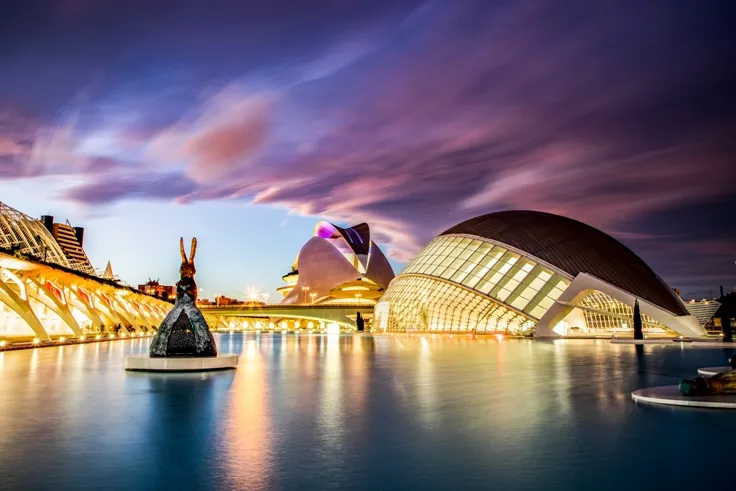
Valencia is a place where modern innovation meets Mediterranean magic, attracting tourists. Your trip to Spain will become more interesting when you visit the city of art and science. This attracts tourists to take a deep tour of all these places as they offer visits to this place that showcase futuristic insights through its science museum.
As Valencia is the birthplace of paella, Valencia offers countless dishes to taste the iconic dishes the Spanish food tour mostly recommend and offers this. The best cities in Spain include this iconic city, where beachside restaurants serve fresh seafood paella. To make your trip to Spain the most memorable, book a paella cooking class in Valencia. Lahore, Pakistan, is also home to a good residential society named Valencia.
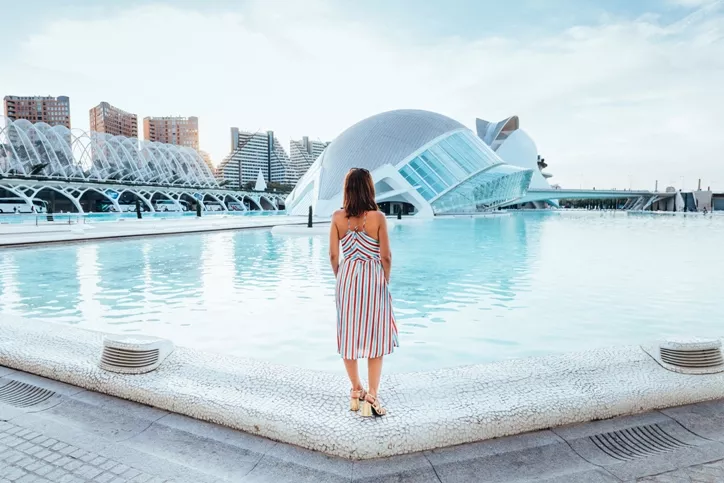
Valencia is Spain’s third-largest city and one of the most underrated, combining a remarkably well-preserved old town with the futuristic City of Arts and Sciences complex, an excellent beach directly accessible from the city centre, and the finest paella in the world. The City of Arts and Sciences, designed by Santiago Calatrava and Félix Candela along the dry bed of the Turia river, is a stunning collection of titanium and glass buildings housing an opera house, science museum, aquarium, IMAX cinema, and outdoor spaces – even if you visit nothing inside, the architecture is worth the trip. The Central Market of Valencia, the largest covered market in Europe, is the best place in Spain to buy fresh produce and taste local specialities.
Hotels in Valencia
Budget: Home Youth Hostel Valencia (from $20-30/night) near the Cathedral is one of the best-reviewed hostels in the city, with a fun social atmosphere and good location. Ad Hoc Monumental (from $60/night) is a well-priced boutique hotel in a restored 19th-century house near the Torres de Quart.
Mid-Range: Hospes Palau de la Mar (from $120/night) is an excellent mid-range boutique hotel in a converted 19th-century palace near the old town with a courtyard pool. Hotel Caro (from $100/night) is a lovingly converted medieval palace in the old city, with Roman-era archaeological remains visible through glass floors.
Luxury: Las Arenas Balneario Resort (from $250/night) is a grand beachfront hotel in a restored 19th-century bathhouse right on the Malvarrosa beach, with a spa and excellent seafood restaurant. SB Diagonal Zero Barcelona (from $200/night in Valencia) and the Westin Valencia (from $180/night) are reliable luxury options near the City of Arts and Sciences.
Things to Do During Your Travel to Spain
There are a lot of options for doing things of your choice, just to make your travel to Spain a highly memorable tour of your entire life. Spain’s tourist attractions offer a lot of variety in taking and enjoying different sorts of activities. Spanish food tour recommends a lot of options for taking tours to variety of restaurants and hotels.
Culture and History
Spain is a cultural Heritage of the world, with a look at this place, from Roman ruins to Moorish palaces. Your travel to Spain will become fascinating if you visit the Camino De Santiago. This route attracts travelers and becomes one of the most popular tourist attractions. This beautiful place offers a spiritual journey and cultural immersion across the north.
Barcelona’s Sagrada Familia and Park Güell represent Antoni Gaudí’s unique architectural vision. Your travel to Spain will become an interesting tour if you visit the Golden triangle of Museums, like the Prado, Reina Sofia, and Thyssen-Bornemisza houses. Spain tourist attractions include these places, and for this, you have to book guided architectural walk of Barcelona to understand Gaudí’s revolutionary designs.
The Camino de Santiago is one of the great walking routes of the world and the oldest continuously active pilgrimage in Christianity. The most popular route, the Camino Frances (French Way), starts at Saint-Jean-Pied-de-Port in France, crosses the Pyrenees into Navarra, and then follows the northern edge of the Castilian plateau for 800 kilometres to Santiago de Compostela in Galicia.
The walk typically takes 30-35 days at a comfortable pace. Shorter options exist: the last 100 kilometres from Sarria in Galicia is the minimum distance required to receive the Compostela certificate, and can be walked in 4-5 days. The experience of the Camino – the daily rhythm of walking, the encounters with other pilgrims, the gradual approach to the beautiful city of Santiago and the moment of arriving at the Cathedral – is something that many people describe as transformative regardless of religious belief.
Food and Wine
Spanish food tour offers a Spanish cuisine that will make your travel to Spain interesting and beautiful, as it goes far beyond eating only tapas and paella. Pintxos culture in San Sebastian offers a very sophisticated, beautiful. Spain is heaven for food lovers who love street food full of spices, and Michelin-starred chefs create innovative bites served in casual bars.
Valencia’s Paella serves as a perfect marriage of rice, saffron, and other natural ingredients that are highly captivating and interesting for travelers. Spanish food tour mostly offers and gives this opportunity. Your travel to Spain will become a more fascinating journey if you also try Andalusian gazpacho,
This provides you with a perfect and long-lasting relief from southern Spain’s heat and also fulfills your taste requirements. A comprehensive visit to Jamon Iberico from Extremadura represents the pinnacle of Spanish cured meat. They are also paired with local wines that create a beautiful blend of tastes, cultures, and histories.
The La Rioja region provides Spain’s most famous and captivating place for Red Wines. The Ribera Del Duero offers other robust alternatives Spanish food tour mostly offers this. This will make your travel to Spain the most iconic one.
La Boqueria and Madrid’s Mercado de San Miguel provide immersive experiences that will make your journey an unforgettable one. This journey to Spain will increase your taste standards as if you join a tapas and wine tour in La Rioja. This allows you to explore Spain’s viticultural treasures that will make your journey the most iconic one.
San Sebastian (Donostia in Basque) in the Basque Country is widely considered the finest food city in the world per capita, with more Michelin stars per square metre than any other city on earth. The pintxos bars of the Old Town – small pieces of bread topped with a remarkable variety of ingredients, served at the bar and eaten standing – represent a completely different approach to eating than tapas: you move from bar to bar over several hours, trying two or three pintxos in each place, washed down with small glasses of txakoli white wine. The Basque chefs Ferran Adrià (at El Bulli, now closed), Juan Mari Arzak, and Martin Berasategui have been among the most influential in the world over the past 30 years.
Outdoor Activities
Spain’s diverse coastline options offer a lot of choices for a person, from Rough Atlantic shores to pristine Mediterranean beaches. The Costa Brava provides secluded coves and charming fishing villages that will offer you a variety of tasty and delicious food. The Costa Del Sol offers a lot of expensive, comfortable, and soothing resort amenities and year-round sunshine.
Monserrat near Barcelona combines the spiritual significance of Spain. There are a lot of other countries and cities that inspire tourists a lot. This makes your travel to Spain a beautiful journey. Scenic cable cars are accessible to visitors.
This makes their journey the most iconic one with the most dramatic mountain scenery. Ronda in Andalusia perches dramatically and beautifully above a deep gorge. This offers a lot of spectacular views and historic bullring tours. This will make your tours interesting and memorable, in one of the best cities in Spain.
The Pyrenees mountain range runs along Spain’s northern border with France for about 430 kilometres and contains some of the finest mountain scenery and walking in western Europe. The Spanish side of the Pyrenees is significantly less developed for tourism than the French side, which means cleaner landscapes and better wildlife.
The Ordesa y Monte Perdido National Park in Aragon is perhaps the finest walking in the entire range, with a canyon system comparable to a smaller version of the Grand Canyon and populations of chamois, griffon vultures, and golden eagles. Baqueira-Beret in the Val d’Aran (a small Spanish exclave with its own Occitan language) is the most upscale ski resort in Spain and popular with the Spanish royal family. The Picos de Europa in Cantabria and Asturias, technically separate from the Pyrenees but equally dramatic, has the famous Cares Gorge walk – one of the finest mountain walks in Spain.
— Things to do in Barcelona Spain
Spain vs France vs Germany - Which Country to Visit?
Choosing between Spain, France, and Germany for a European holiday is one of the most common travel decisions, and the three countries offer genuinely different experiences that suit different types of traveller. Here is an honest comparison across the key factors.
Food and Wine
Spain has arguably the most exciting food culture of the three, particularly if you value quality-to-price ratio. The pintxos bars of the Basque Country, the tapas culture of Andalusia, the seafood of Galicia, and the creative restaurant scene of Barcelona collectively represent one of the world’s great food destinations. Wine is produced in almost every region, from the light Albariño whites of Galicia to the powerful Tempranillo reds of Rioja and Ribera del Duero, and a good bottle at a restaurant costs a fraction of what equivalent quality costs in France.
France’s food and wine culture is deeper, older, and more codified – the canon of French cooking and the hierarchies of Bordeaux, Burgundy, and Champagne represent the most prestigious food and wine culture in the world – but the gap between the best and the ordinary is larger than in Spain, and eating well in France requires more knowledge and often more money. Germany’s food culture is hearty, honest, and characterful – sausage, pork knuckle, pretzels, sauerkraut, and excellent beer – but does not compete with Spain or France for gastronomic prestige. However, Germany’s Christmas markets and beer garden culture are experiences entirely their own and genuinely world-class.
History and Architecture
All three countries have extraordinary historical and architectural heritage, but the character is very different. Spain’s most distinctive architectural heritage is its Islamic legacy – the Alhambra, the Cordoba Mosque-Cathedral, the Alcazar of Seville, and the Mudéjar buildings of Toledo and Zaragoza are unique in Europe and have no equivalent in France or Germany. Spain also has Gaudí’s Modernisme architecture in Barcelona, the extraordinary Romanesque churches of the Camino de Santiago route, and the finest collection of medieval walled cities in Europe.
France’s architectural heritage is dominated by Gothic cathedrals (Notre-Dame, Chartres, Reims), royal palaces (Versailles, Fontainebleau, the Loire chateaux), and the extraordinary Roman heritage of Provence (the Pont du Gard, the Amphitheatre of Nimes, the theatres of Orange). Germany’s greatest architectural heritage lies in its medieval old towns (Rothenburg ob der Tauber, Bamberg, Regensburg), its Baroque churches and palaces (particularly in Bavaria and the Rhine valley), and its extraordinary castles (Neuschwanstein, Heidelberg, the Rhine castles). For sheer diversity and uniqueness, Spain’s combination of Islamic, Christian, and 20th-century modernist architecture is unrivalled.
Beaches and Natural Scenery
Spain is the clear winner for beaches and warm weather, with the Mediterranean coast offering reliable sunshine from April through October and the Canary Islands offering year-round warmth. The beaches of Ibiza, Majorca, the Costa Brava, and the Algarve-adjacent Andalusian coast are outstanding, and the Spanish islands (Canaries, Balearics) give the country an extraordinary range of beach environments.
France has the Côte d’Azur (Nice, Cannes, Saint-Tropez) and the Atlantic beaches of the Landes and Basque coast, which are spectacular but cooler and windier than the Spanish Mediterranean.
Germany has no sea coast (excluding the rather cold Baltic) but compensates with extraordinary lake and mountain scenery in Bavaria (the Bavarian Alps, the Zugspitze, the Berchtesgaden National Park, and the Bavarian lake district). The Rhine Valley, the Black Forest, and the Saxon Switzerland national park near Dresden are all genuinely beautiful in different ways. For warm-weather beach holidays, Spain is the obvious choice. For mountain scenery, Germany’s Bavaria and France’s Alps are at least as good as the Spanish Pyrenees.
Cost and Value
Spain is generally the most affordable of the three for food, accommodation, and transport, though all three countries have wide price variations between cities and regions. In Spain, eating and drinking well is consistently affordable: a set menu lunch (menú del día) in a local restaurant – typically including a starter, main, dessert, bread, and a glass of wine – costs €10-15 in most cities. Accommodation ranges from excellent budget hostels at €15-25 per night to mid-range boutique hotels at €70-120. In France, the same quality of food and accommodation costs noticeably more, particularly in Paris, Lyon, and the Riviera.
Germany sits between the two: Berlin is relatively affordable by European capital standards, but Munich and the resort areas of Bavaria are expensive. Public transport is excellent in all three countries, with Spain’s AVE high-speed train network connecting Madrid with Barcelona in 2.5 hours and most major cities in 3-4 hours. France’s TGV and Germany’s ICE networks are faster overall but more expensive.
Nightlife and Culture
Spain has the most vibrant nightlife culture of the three, particularly in Barcelona, Madrid, Ibiza, and the Basque Country. Spanish people genuinely do not eat dinner before 9-10pm, do not go out before midnight, and clubs do not fill up until 2-3am – the rhythm is entirely different from northern Europe and takes some adjustment but is one of the most fun aspects of Spanish culture.
France’s nightlife is more polarised: Paris has a sophisticated bar and club scene but does not match the energy of Madrid or Barcelona, and provincial France is quiet in the evenings by Spanish standards.
Germany’s nightlife culture is centred on Berlin, which has the most respected electronic music club scene in the world (Berghain, Tresor, Watergate) and is the destination of choice for serious music lovers. Munich’s beer garden culture in summer and the Christmas market season in December are world-class in their own right.
— Things to do in Barcelona Spain
Accommodations in Spain
There are a lot of accommodation options in Spain that facilitate tourists and allow them to enjoy a comfortable and peaceful journey. Spain offers a lot of residential options, including restaurants, the most memorable and iconic ones. Your travel to Spain will become more and more interesting if you reserve some accessible and comfortable options for booking their accommodations.
Budget
There are a lot of budget options ranging from 25 to 50 dollars per night that will make your travel to Spain an iconic one. The best cities in Spain offer accommodations like hostels with dormitory-style and shared facilities. Book your ticket with booking.com now.
Spain has an excellent network of budget accommodation across all its main tourist cities. Generator Hostels operates in Barcelona, Madrid, and Bilbao with consistently high standards. The Hat Hostel in Madrid and Oasis Hostels in Granada and Seville are among the best budget options in Andalusia. The Paradores chain – state-owned hotels in converted historic buildings including castles, monasteries, and palaces – offers some of the most characterful accommodation in Spain at prices that are not always as expensive as you might expect, particularly in the off-season.
Mid-Range Hotels
There are a lot of mid-range options, ranging from 60 to 120 dollars per night, that will make your travel to Spain a significant tour. These mid-range options mostly include Boutique houses and traditional paradores, which are historic buildings. Book your ticket with booking.com now.
Luxury Options
There are a lot of luxury options available for the Elite class over there, ranging from 150 to 400 and more dollars per night. Five-star hotels and exclusive resorts offer world-class services that will make your travel to Spain a significant one. Book your ticket with booking.com now.
Spain’s luxury hotel sector is extraordinary, with palaces, historic convents, and modernist buildings all converted to five-star standards. The Hotel Arts and W Barcelona in Barcelona, the Mandarin Oriental Ritz and Four Seasons in Madrid, the Parador de Granada inside the Alhambra, and the Alfonso XIII in Seville represent the pinnacle of Spanish luxury hospitality. The ME Hotel brand operates design-led luxury properties in Madrid, Barcelona, and Ibiza that are consistently outstanding.
Food Costs in Spain
Spanish dining offers a lot of options and ideas that offer excellent value with tapas portions, allowing you to sample multiple dishes. Traditional menus in local restaurants typically range from 10 to 20 dollars. Spanish food tour offers this deal.
The menú del día (set menu lunch) is one of the great institutions of Spanish food culture and exceptional value. Available at virtually every local restaurant from Monday to Friday between 1pm and 3:30pm, it typically includes a choice of starter, main course, dessert, bread, and a glass of house wine or water for €12-18 in most cities – often including quite sophisticated cooking in well-reviewed restaurants. Dinner is more expensive and more leisurely. Tapas in the evening in the Basque Country (as pintxos) and in Andalusia (where tapas are often provided free with drinks) is the most economical way to eat well at night. Street food – bocadillos (baguette sandwiches), churros con chocolate, freshly grilled sardines at a chiringuito beach bar – is inexpensive and consistently good quality.
Must-Try Dishes
Spanish food tour offers a lot of must-try dishes that captivate and amaze tourists because of their exceptional taste. Paella is a traditional dish with seafood or chicken. Tortilla española is a thick and delicious dish that attracts tourists because of its delicious taste. Gazpacho is a cold tomato soup perfect for summer. Churros Con Chocolate.
Jamón Ibérico de Bellota is Spain’s most prestigious food product – dry-cured ham from Iberian pigs that have been fattened on acorns in the dehesa (woodland-pasture) landscapes of Extremadura and Andalusia. The finest examples, aged for 36-48 months, have a flavour of extraordinary complexity and richness. Tortilla Española (Spanish omelette) is a thick omelette of eggs, potatoes, and optionally onions that is one of the most ubiquitous and comforting dishes in Spanish food culture, found in every bar and cafe across the country. Fabada Asturiana is a rich bean stew with morcilla, chorizo, and salt pork from Asturias that is one of the finest cold-weather dishes in Spain. Cava, the Catalan sparkling wine made by the traditional method in the Penedès region near Barcelona, is one of the great wine bargains in the world – excellent examples cost a fraction of Champagne and pair perfectly with seafood, jamón, and the lighter dishes of Spanish cuisine.
— Things to do in Barcelona Spain
Best Time to Visit Spain
There are a lot of options and times when you can travel to Spain and meet tourists. Every season offers favorable activities that will make your travel to Spain an unforgettable journey. Every region is active in its own specific and favorable season and month that will offer you, and mostly offered by Spanish tourist attractions.
Spring (March to May)
The spring season falls between March and May, and this weather mostly offers a lot of outdoor and sightseeing activities, which Spanish tourist attractions offer the most. This season also coincides with festivals and outdoor activities, and this festival makes their travel to Spain the most iconic and symbolic journey. Seville’s Feria de Abril also provides cultural immersion opportunities.
Spring is widely considered the best season for visiting southern Spain, particularly Andalusia. The temperatures in Seville, Granada, and Cordoba are warm and comfortable (20-25°C) rather than the intense heat of July and August (35-40°C). The wildflower season in Andalusia and the Donana National Park is spectacular in spring. Semana Santa (Holy Week before Easter) is one of the most extraordinary cultural events in Spain – the processions of hooded penitents and elaborate floats through the streets of Seville, Malaga, and Granada are genuine religious events of profound seriousness and extraordinary visual power.
Summer (June to August)
The summer season mostly lies from June to August, and this season mostly offers a lot of outdoor activities, which are highly captivating. This is a peak tourist season with hot temperatures but pleasant weather at the beaches. As in this season, there are large crowds of tourists; therefore, early bookings of accommodations are mostly offered in Spanish tourist attractions.
Fall (September to November)
The fall season runs from September to November to provide them with excellent weather and fewer crowds. Your travel to Spain will become interesting if you visit Spain this season, as it offers wine enjoying points. This season is the wine harvest season, which adds special appeal to visits to La Rioja wine regions offered by the Spanish food tour.
Winter (December to February)
The winter season lies from December to February and mostly captivates tourists from all over the world. This season has mild temperatures in Southern Spain, which is favorable for both indoor and outdoor activities and for every sort of tourist. Best cities in Spain, like Granada, Seville, and Madrid, remain comfortable, especially for sightseeing during your travel to Spain.
The Canary Islands are Spain’s finest winter sun destination, with temperatures in Tenerife, Gran Canaria, Lanzarote, and Fuerteventura typically ranging from 18-23°C even in December and January. The islands are popular with northern European sunseekers escaping the winter, and the range of landscapes – from the lunar volcanic fields of Timanfaya in Lanzarote to the ancient laurel forests of La Gomera and the dramatic calderas of La Palma – is extraordinary. Madrid in winter is cold but excellently equipped for indoor culture, with the Prado and Reina Sofia at their quietest and the Christmas and Three Kings celebrations (the Cabalgata de Reyes on January 5th being one of the finest parades in Spain) adding festive atmosphere.
Must-Try Dishes
Spanish food tour offers a lot of must-try dishes that captivate and amaze tourists because of their exceptional taste. Paella is a traditional dish with seafood or chicken. Tortilla española is a thick and delicious dish that attracts tourists because of its delicious taste. Gazpacho is a cold tomato soup perfect for summer. Churros Con Chocolate.
Jamón Ibérico de Bellota is Spain’s most prestigious food product – dry-cured ham from Iberian pigs that have been fattened on acorns in the dehesa (woodland-pasture) landscapes of Extremadura and Andalusia. The finest examples, aged for 36-48 months, have a flavour of extraordinary complexity and richness. Tortilla Española (Spanish omelette) is a thick omelette of eggs, potatoes, and optionally onions that is one of the most ubiquitous and comforting dishes in Spanish food culture, found in every bar and cafe across the country. Fabada Asturiana is a rich bean stew with morcilla, chorizo, and salt pork from Asturias that is one of the finest cold-weather dishes in Spain. Cava, the Catalan sparkling wine made by the traditional method in the Penedès region near Barcelona, is one of the great wine bargains in the world – excellent examples cost a fraction of Champagne and pair perfectly with seafood, jamón, and the lighter dishes of Spanish cuisine.
Sign up to our newsletter and grab tickets at lowest prices
— Things to do in Barcelona Spain
FAQ about Things to do in Barcelona Spain
The residents of the US, UK, Canada, and Australia can visit Spain for up to 90 days without any visa and only for tourism purposes, just to travel to Spain. EU citizens can enjoy unlimited access to Spain and make an unforgettable journey there. However, other citizens need a visa to visit this place and to have tour of Spain.
Spain ranks among the world's safest countries for solo female travelers as it offers them a lot of rights. The best cities in Spain have low crime rates and other problems. Spanish culture is also famous for respecting solo travelers irrespective of gender.
High-speed trains, also called AVE, are an efficient way of connecting different cities in Spain. However, budget airlines also offer flights to distant destinations efficiently. Regional trains and buses serve small towns and areas and connect mainly with them.
Tipping in Spain is mostly appreciated as it helps them, but it is not obligatory; it totally depends on a person's circumstances. Rounding up bills and leaving 5 to 15 percent in restaurants showcases an act of generosity. This reveals a person's perception about others, and it is considered a kind act.
There are a lot of accommodation options during your travel to Spain. There are several hotels and hostels for every sort of traveler traveling to Spain. All these accommodation spots range from budget-friendly options to luxury options for every class of tourists.
Barcelona is most famous for the extraordinary architecture of Antoni Gaudí, particularly the Sagrada Familia and Park Güell, which together represent the most distinctive architectural achievement in Spain. The city is also famous for its Gothic Quarter - one of the best-preserved medieval urban centres in Europe - for the La Boqueria market, for the Passeig de Gracia boulevard lined with Modernista masterpieces, for Barceloneta beach, for the FC Barcelona football club and the Camp Nou stadium, and increasingly for one of the finest food and restaurant cultures in Europe. The city hosted the 1992 Olympic Games, an event that transformed its waterfront and cemented its status as a world-class tourist destination.
A minimum of three days gives you time to cover the main Gaudí sites (Sagrada Familia, Park Güell, Casa Batlló or La Pedrera), walk the Gothic Quarter, visit the Picasso Museum, and explore the Born neighbourhood and La Barceloneta. Four to five days lets you add Montjuic, the Fundació Joan Miró, a day trip to Sitges or Montserrat, proper time for eating and nightlife, and a more relaxed pace throughout. Barcelona is also a city that rewards returning visits because there is always more to discover in the different neighbourhoods.
The 12 grapes tradition is Spain's most distinctive New Year's Eve custom, practiced across the entire country on Nochevieja (New Year's Eve). At midnight, as the clock on the Puerta del Sol in Madrid begins its 12 chimes, every person in Spain eats one grape with each chime - 12 grapes in 12 seconds. Eating all 12 grapes successfully is said to bring good luck for the coming year. The tradition dates from the early 20th century and is now followed by virtually all Spanish people, typically gathered in the living room watching the television broadcast of the clock on the Puerta del Sol. In Madrid, enormous crowds gather in the square itself to eat the grapes together, and similar gatherings happen in main squares across every city in Spain.
— Things to do in Barcelona Spain
Conclusion | Things to do in Barcelona Spain
Spain is an overall beautiful country regarding every aspect, and it is a beautiful opportunity for tourists to travel to Spain. Spain is a beautiful blend of culture, history, and architectural beauty. Spain’s tourist attractions offer visitors a comprehensive visit to this country.
Plan your next tour to Spain to create endless memories and to have an overlook of the country. All the cities of Spain offer panoramic views that refresh everyone. The taste of food over there in Spain adds an entirely new color to the scenic views, historical, and educational sites.
Whether you are planning a city break to Barcelona to see the Sagrada Familia and eat pintxos, a beach holiday on the Balearic or Canary Islands, a cultural journey through the Moorish heritage of Andalusia, a food pilgrimage to San Sebastian, or the full walking experience of the Camino de Santiago, Spain delivers experiences of genuine and lasting quality. The country is warm, welcoming, affordable by western European standards, and full of things to see and do across every season of the year. Compared with France and Germany – both extraordinary countries in their own right – Spain offers the combination of warm weather, food culture, architectural uniqueness, and value that makes it the most accessible and immediately rewarding of the three for most first-time European visitors.
In this website I have combined most of the places where I lived or visited during my international assignments, jobs I traveled to explore the world. You can find a very helpful and detailed article on Canada where we have covered most of the aspects of Canada. As well as we have covered Mexico, China, France, Germany, Australia, India and many more Best Family Vacation Spots in Europe.

Ghufran Khan
I’m a cybersecurity professional with 18+ years of IT experience, currently working in the Canadian government sector. Over the past 15 years, I’ve travelled to 37 countries, living and working in six of them. As a Level 4 My background in cybersecurity enables me to offer unique insights into travel safety and digital security. From the food streets of Lahore to the culinary scenes of Dubai, Mississauga, Turkey, and Italy, I believe the best way to experience any destination is through its food.