

Best places to visit in Germany
Explore Germany and discover vibrant cities, historical castles, and stunning natural landscapes and Germany offers a tapestry of culture and history.
— Best places to visit in Germany
The Ultimate 2026 Travel Guide to Germany
Germany might just be the most underrated travel destination in Europe. Most people think of it and picture beer steins, Oktoberfest, and maybe the Brandenburg Gate. But Germany is so much more than that. Think fairy-tale castles sitting on hilltops, medieval towns that look like they were lifted from a storybook, a coastline along the North and Baltic Seas, and some of the best food markets on the planet.
Whether you are planning your first trip to Europe, traveling with your family, going solo on a budget, or looking for a romantic getaway, Germany has something for everyone. And the best part? It is actually very easy to travel around. Trains connect almost every city and town, English is widely spoken, and the infrastructure is excellent.
This guide covers everything you need to plan an amazing trip to Germany in 2026. You will find the best places to visit in Germany, a day-by-day itinerary, realistic travel costs in Canadian dollars, tips on where to stay, what to eat, how to get around, and a lot more. Let us get into it.
Quick Travel Summary
Ideal Trip Duration | 10 to 14 days (7 days minimum for highlights) |
Estimated Budget | CAD $3,000 to $6,000 for 10 days (budget to mid-range) |
Best Time to Visit | May to June and September to October |
Currency | Euro (EUR). 1 EUR is roughly CAD $1.50 as of 2026 |
Language | German. English widely spoken in cities and tourist areas |
Best for | First-time travelers, families, couples, history lovers, foodies |
Visa Required | No visa required for Canadians (90 days in Schengen Zone) |
Getting Around | Train (best option), car rental, public transit in cities |



— Best places to visit in Germany
Best honeymoon destinations
There are a number of beautiful destinations in Germany that attract tourists from all over the world. Especially for those who are searching best honeymoon destinations. Berlin, Munich, and a number of beautiful cities hold beauty and attractions for tourists. These places will make your journey the most attractive and adventurous one, and everlasting in your memory.
Berlin in German during your travel
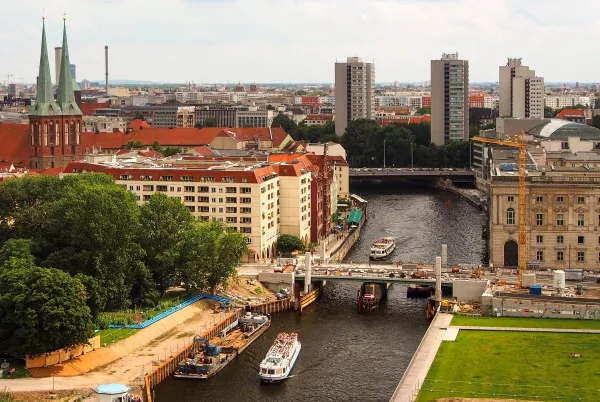
Berlin is the most compelling and beautiful capital of the world that holds a great diversity of cultures, and war coexists with its neighbourhoods. Berlin holds enchanting beauty through its attractive museums and ancient buildings. The transformation of Berlin from a divided city to a cultural center will make your Tourist attractions in Germany the most attractive and memorable one.
Must see places in Germany
Brandenburg Gate is the most iconic symbol of German reunifications, Museum Island holds UNESCO World Heritage. The Berlin Wall memorial gave a powerful reminder of the city’s divided past, and the Reichstag building. East Side Gallery is the remaining portion of the Berlin Wall transformed into an open-air art gallery, making your tourist destination Germany an interesting one.
— Best places to visit in Germany
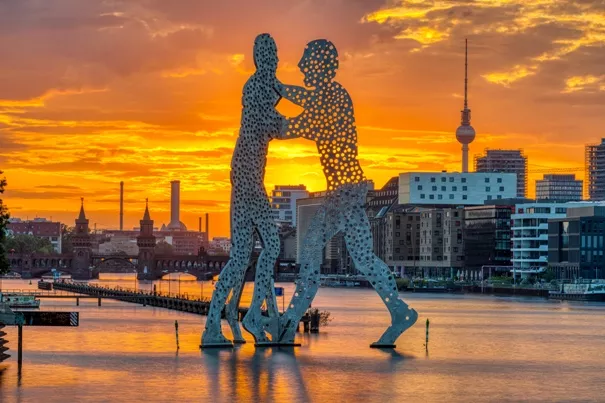
Berlin's nightlife
Berlin’s nightlife is legendary, having underground clubs, bars, and other amusing places where one can indulge oneself in its captivating adventures. The city’s diverse neighborhoods offer a variety of cultures to a person. From the trending boutiques of Prenzlauer Berg to the Turkish markets of Kreuzberg will make your travel to Germany the most captivating adventure.
Accommodations in Berlin Germany
You should book your accommodation in Mitte if you are interested in historic attractions. You can also choose Friedrichshain if you want nightlife access. Reserve your Berlin hotel today to enjoy your travel destination at the best rates and locations.
Top Places to Visit in Germany
Germany has 16 states and hundreds of incredible destinations. These are the ones that consistently rank as the best places to visit in Germany, whether you are looking for history, nature, nightlife, or culture.
Berlin: The City That Never Sleeps
Berlin is one of those cities that stays with you long after you leave. It is raw, creative, historically rich, and endlessly fascinating. As Germany’s capital and largest city, it is usually the first stop for most travelers and a great base to start your Germany trip.
The city has been through so much: World War II, the division of East and West, the fall of the Berlin Wall in 1989, and a remarkable rebuilding period that continues today. You feel all of this history walking the streets.
Top Things to Do in Berlin
• Brandenburg Gate: The most iconic landmark in Germany, right in the heart of the city. Go in the morning to avoid the biggest crowds.
• Berlin Wall Memorial and East Side Gallery: The East Side Gallery is a 1.3 km stretch of the original wall covered in murals by international artists. It is free and one of the most powerful things you will see anywhere in Europe.
• Museum Island: A UNESCO World Heritage Site with five world-class museums on a small island in the Spree River. The Pergamon Museum is the most visited, but all five are worth seeing.
• Reichstag Building: Germany’s parliament building with a stunning glass dome on top offering panoramic views of the city. You need to register online in advance, but it is free to visit.
• Checkpoint Charlie: The former Cold War crossing point between East and West Berlin. The area is touristy but worth a visit, especially the Checkpoint Charlie Museum.
• Tiergarten Park: Berlin’s Central Park. Great for a morning jog or afternoon picnic.
• Kreuzberg and Prenzlauer Berg: Two of Berlin’s coolest neighborhoods for cafes, street art, markets, and nightlife.
Berlin at a Glance
• Recommended time: 3 to 4 days
• Daily budget: CAD $80 to $150 per person (budget to mid-range)
• Best neighborhood to stay: Mitte for sightseeing, Friedrichshain or Kreuzberg for nightlife and local vibes
Pro Tip: Book the Reichstag dome visit online at least 2 to 3 weeks in advance. Slots fill up fast, especially in summer. It is completely free.

— Best places to visit in Germany
Must do in Munich
Munich is a city that holds ancient and captivating traditions along with modernity. The Bavarian capital combines locals with international businessmen, and German tour guides provide a chance for a person to explore international businesses and take advantage of them. Travel to Germany, one of the best destinations, gives a chance to live in a city like Munich to enjoy life comfortably and with dedication.
Marienplatz Munich Germany
Marienplatz is the most historic city center with the most beautiful and attractive Glockenspiel, and the English Garden is larger than Central Park. German tour guides offer visits to the BMW Museum, which holds automotive innovations at its finest.
Residenz Munich is a former royal place showcasing Bavarian grandeur and making Travel to Germany the most iconic trip. Before planning to go to the best places to visit in Germany, you should also watch the list of holidays in Germany from Holiday Planner.
Munich's beer garden during travel to Germany
Munich’s beer garden is unparalleled and well-known all over the world. There is a traditional establishment of Augustinerbrau and Hofbräu that serves fresh-brewed beer. Your trip to Germany will become more interesting as they serve the beer alongside hearty Bavarian cuisine under chestnut trees.
— Best places to visit in Germany
Munich: Bavaria's Heart and Soul
Munich is probably what most people picture when they think of Germany. Beer halls, lederhosen, Oktoberfest, and the Alps in the background. And while all of that is real and absolutely worth experiencing, Munich is also a world-class city with incredible museums, a thriving food scene, and a quality of life that consistently ranks among the best on earth.
Munich is in Bavaria, the southeastern state of Germany, and it has a distinct culture of its own that feels different from the rest of the country. People here are proud of their Bavarian identity, and that pride shows up in the food, the architecture, and the way locals spend their time.
Top Things to Do in Munich
- Marienplatz and the New Town Hall: The city’s central square. Watch the Glockenspiel chime at 11am and noon. Climb the tower for great views.
- English Garden (Englischer Garten): One of the largest urban parks in the world, bigger than New York’s Central Park. People swim in the Eisbach river channel, play frisbee, and sunbathe. In summer it feels like a giant outdoor festival.
- Nymphenburg Palace: A massive baroque palace complex with beautiful gardens on the western edge of the city. Very underrated compared to its size and beauty.
- Deutsches Museum: The world’s largest science and technology museum. You could easily spend a full day here.
- BMW World and Museum: A must-visit if you love cars. The interactive BMW World showroom is free. The museum costs around CAD $15.
- Viktualienmarkt: Munich’s famous outdoor food market. Open daily except Sundays. Great for trying local food, picking up snacks, and people-watching.
- Hofbrauhaus: The most famous beer hall in the world. Touristy? Yes. But the experience of drinking a liter of beer at a long wooden table with a brass band playing is genuinely fun.
Day Trips from Munich
• Neuschwanstein Castle: The fairy-tale castle that inspired Disney. About 2 hours from Munich by train and bus. Buy tickets online before you go.
• Dachau Concentration Camp Memorial: A sobering but important visit, about 45 minutes from Munich by train. Free entry.
• Salzburg, Austria: Only about 90 minutes by train from Munich. A very easy and beautiful day trip.
Munich at a Glance
• Recommended time: 3 to 4 days
• Daily budget: CAD $100 to $180 per person
• Best neighborhood to stay: Near Marienplatz for sightseeing, Maxvorstadt for museums
Pro Tip: If you visit in late September or early October, you will catch Oktoberfest. Book your accommodation at least 6 months in advance. Prices triple during the festival, but the experience is unlike anything else in the world.
Nuremberg Bayern
Nuremberg is one of the most beautifully preserved cities of Germany, holding a series of cultures and traditions amidst the scenic beauty. Germany is an iconic tour that facilitates a person to visit cities like Nuremberg, holding and preserving the cultures. The German tour guides offer to enjoy this city both as a fairy tale and historical sites.
St Lorenz Nuremberg
St. Lorenz Church stands as one of Nuremberg’s most magnificent tourist attractions in Germany, representing the city’s medieval heritage. This impressive church, dedicated to Saint Lawrence, served the former free imperial city during its golden age. The church suffered extensive damage during World War II, but careful restoration work has preserved its Gothic splendour for modern visitors.
Nuremberg Castle is a medieval castle overlooking the entire town, and Hauptkirche is a Gothic church with beautiful, thin-lined glass windows. Nazi party rally grounds are an important historical site with a documentation centre, and the Old Town has half-timbered houses and cobblestone streets. Germany tourist places offer visits to Handwerkerhof, which is an artisan quarter showcasing enchanting traditional crafts.
Nuremberg’s Christmas market ranks among Germany’s most famous and historic markets. It had transformed the city centre into a wonderland with beautiful and iconic traditional crafts. The German tour guides offer a visit to this market to enjoy it because it is famous for its mulled wine and festive atmosphere.
Day trips from Cologne
Cologne is a 2000-year-old city whose magnificent Gothic cathedral dominates the skyline and leaves a lasting impact on tourists. Germany is the best; it provides a chance for tourists to visit Cologne, the most photographed city. German tour guides offer tourists the opportunity to visit this city, which is famous for its location on the River Rhine.
— Best places to visit in Germany
To do in Frankfurt
This city gives a chance to enjoy its cultural beauty and attractions alongside its financial triumph. This dynamic city offers surprisingly beautiful cultural depth with an impressive skyline. Travel to Germany, one of the best destinations, gives a chance to a person to visit one of its most beautiful cities, Frankfurt, which is associated with business sophistication.
Frankfurt day tour highlights
Romerberg is the beautiful medieval square in the historic center, the Stadel Museum has an old world-class art collection, and the Main Tower’s observation deck. German tour guides offer a visit to Palmengarten, a botanical garden that offers an urban oasis, and Sachsenhausen is a traditional neighborhood. Germany tourist places offer a visit to Frankfurt, which is convenient for weekend getaways. Frankfurt is one of the best places to visit in Germany.
— Best places to visit in Germany
Things to do in Cologne
Cologne Cathedral is a Gothic masterpiece of the UNESCO World Heritage. Twelve Romanesque churches are an architectural treasure that is dispersed throughout the city. Museum Ludwig is a premier art collection, and the Rhine River Promenade is perfect for sunset rolls. Germany is a way to visit Cologne’s old town, famous for its charming streets and breweries.
Cologne Culture
Cologne’s brewery culture revolves around Kolsch, and this city is unique for its light brew served in thin classic glasses. German tour guides offer visits to brewhouses like Früh and Dom, and Heller Brauhaus gives an authentic local experience. Germany is a chance for a person to amuse themselves with a unique brewing experience by visiting Cologne.
Neuschwanstein Castle: Germany's Most Famous Landmark
If there is one image that sums up Germany for most people around the world, it is Neuschwanstein Castle. This 19th-century castle sits on a rugged hilltop in the Bavarian Alps and looks so perfect it almost seems fake.
King Ludwig II ordered it built in 1869, and it is said to have inspired Walt Disney’s Sleeping Beauty castle. Ludwig only lived in it for 172 days before he died. Today it is one of the most visited tourist attractions in Germany, welcoming over 1.4 million visitors a year.
Practical Tips for Visiting Neuschwanstein
- Getting there: Take the train from Munich to Fussen (about 2 hours), then a bus or taxi to the castle. Or join an organized day tour from Munich.
- Tickets: Book online in advance at the official ticket center. Walk-in tickets often run out by mid-morning in summer.
- Best view: Walk up to Marienbrucke bridge for the classic photo. The bridge is about a 10-minute uphill walk from the castle entrance.
- Entry cost: About CAD $25 for adults
- Time needed: Half a day minimum, full day if you explore the area
Pro Tip: Go early, ideally arriving by 8am. Crowds get overwhelming by late morning in summer. Midweek visits are much quieter than weekends.
— Best places to visit in Germany
Hamburg activities during travel to Germany
Hamburg’s maritime heritage decorates every single corner of this beautiful northern port city. The spacious Speicherstadt warehouse district and modern HafenCity establishments showcase the city’s heritage. Germany tourist places offer visits to cities like this, which have transformed from a Hanseatic trading center to a contemporary cultural hub.
Stuff to do in Hamburg
Port of Hamburg is Europe’s third largest port with the facility of Harbor tours, Miniatur Wunderland is the world’s largest model exhibition railway. Elbphilharmonie is the most beautiful concert hall, having wavelike infrastructure. Germany tourist places offer the opportunity to visit Alster Lakes, which are famous urban waterways and offer boat tours and amusing lakeside walks.
Heidelberg Europe
Heidelberg attracts visitors from all over the world for its beautiful combination of castle ruins and baroque architecture, which greatly amuses its visitors. This city has Germany’s oldest university, which is captivating. Travel and tourist experiences in Germany provide a chance to visit this city, which is famous for its setting along the Neckar River that creates postcard-perfect views from every angle.
— Best places to visit in Germany
Heidelberg Germany tour
Heidelberg Castle ruins are unique and surrounded by the city; there is a stunning old bridge that gives beautiful views of the river. The German tour guides offer a visit to Philosopher’s Walk, which is a hillside path providing panoramic city. The Old University is a historic academic institution with a student prison museum. Hauptstrasse is the longest pedestrian zone.
Dresden Sehenswürdigkeiten
Travel to Germany, one of the best destinations, gives a chance to visit one of the most iconic cities, Dresden, which has a beautiful infrastructure created after World War II, that became one of the prettiest baroque cities. Dresden is Europe’s most beautiful city, has carefully restored its historic grandeur, and reflects architectural beauty. Dresden has world-class museums and cultural venues.
Dresden saxony, Architectural Marvels
Frauenkirche is a symbol of reconciliation with a stunning interior, and Zwinger Palace is a baroque palace complex housing a magnificent museum. Semper Opera House is renowned for both opera and ballet, and Dresden Castle is beautiful with the green vault. Elbe River Terrasses are a scenic waterfront promenade. Dresden is the cultural center of Germany.
Hamburg: Germany's Cool Port City
Hamburg is Germany’s second largest city and it is one of the most underrated places to visit in Germany. This is a city that knows how to have a good time. As one of Europe’s biggest ports, it has always been an international, open-minded city, and that energy still flows through every corner.
The waterfront is the centerpiece of the city. The Speicherstadt warehouse district is a UNESCO World Heritage Site, and the new HafenCity development next to it is one of Europe’s most ambitious urban projects. Walk between them and you feel the old and new Hamburg side by side.
Top Things to Do in Hamburg
- Elbphilharmonie: Hamburg’s stunning new concert hall sitting on top of an old warehouse. The viewing platform on the 37th floor is free and offers incredible views. One of the coolest buildings in Germany.
- Miniatur Wunderland: The world’s largest model railway exhibition. Sounds like something for kids but adults love it just as much. Book tickets online, waiting times without a ticket can be hours long.
- Speicherstadt: Wander through the red-brick warehouse district in the evening when the light is golden. Visit the Spice Museum or the Customs Museum inside the old warehouses.
- Fish Market: If you are in Hamburg on a Sunday, the Fischmarkt starts at 5am and runs until 9:30am. It is chaotic and brilliant. Buy fresh fish, bread, and a beer for breakfast like a local.
- Reeperbahn: Hamburg’s famous nightlife district. Bars and clubs open until dawn. Not for everyone but worth a walk through in the evening to soak in the atmosphere.
Hamburg at a Glance
• Recommended time: 2 to 3 days
• Daily budget: CAD $90 to $160 per person
• Best neighborhood to stay: HafenCity for views, Altona or Ottensen for a local feel
— Best places to visit in Germany
Natural Wonders
There are a lot of such places that captivate tourists to visit this iconic place on earth, Germany. Germany is full of beautiful locations where one can indulge in its scenic beauty. Germany is such a great experience where one can seek refuge from the daily busy routine and enjoy its scenic natural beauty along with cultural traditions.
Must see places in Germany
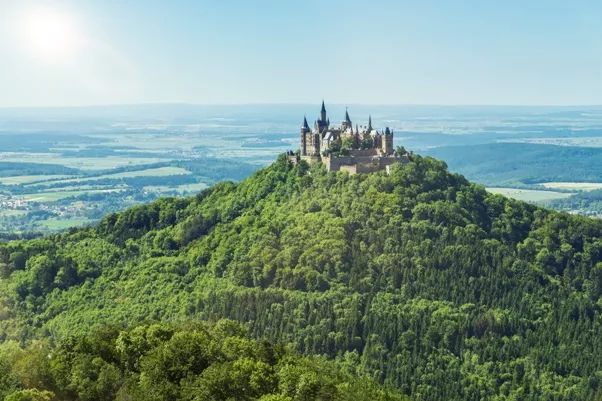
Triberg is the best place in Germany, famous for cuckoo clocks and the highest waterfalls. Baden-Baden is an elegant spa town. Freiburg is a university city with a stunning Gothic cathedral, and Lake Titisee is a crystal-clear lake famous for swimming and boating. Schwarzwaldhochstraße is a scenic mountain road with panoramic views.
Zugspitz is Germany’s highest peak with year-round skiing, and Garmisch-Partenkirchen are charming twin towns hosting the winter Olympics. Berchtesgaden is a mountain resort town with Eagle’s Nest historical site, and Konigssee is an Emerald Lake surrounded by towering cliffs. Germany tourist places offer visits to Oberammergau, a village famous for its passion play and painted houses.
— Best places to visit in Germany
Bavarian Alps
The Bavarian Alps create Germany’s most dramatic landscape as it is full of attractions and captivations. Germany tourist places offer tourists the opportunity to visit this mountain full of snow-capped peaks and pristine lakes. Alpine meadows provide endless opportunities for outdoor amusements and scenic photography.
Germanys romantic road
The romantic road stretches 400 kilometers from Wurzburg to Fussen, a beautiful town connecting medieval towns that captivate tourists from all over the world to travel to Germany. The baroque church is the most beautiful place where one can seek happiness in its scenic beauty. The famous scenic route in Germany and fairy tale castles which bewitch tourists.
German countryside
Rothenburg ob der Tauber is a perfectly preserved medieval town, and Augsburg is a historic city with Renaissance architecture. Neuschwanstein Castle is a Disney inspiring fairy tale castle, Fussen is a charming Alpine town and gateway to royal castles. Dinkelsbuhl is a colorful medieval town with intact city walls, and the route offers flexible travel options.
Cologne: The Cathedral City on the Rhine
Cologne is one of Germany’s oldest cities, founded by the Romans over 2,000 years ago, and it wears its history everywhere you look. The Cologne Cathedral (Kolner Dom) is one of the most breathtaking buildings in Europe and the most visited landmark in Germany.
The city sits right on the Rhine River, and the waterfront promenade is a lovely place to stroll in the evening. Cologne also has an incredible museum scene, a famous brewery culture, and some of the best Christmas markets in Germany.
Top Things to Do in Cologne
• Cologne Cathedral: Start here. This Gothic masterpiece took over 600 years to build and towers over the city. Climb the south tower for panoramic views (about CAD $8). Entry to the cathedral itself is free.
• Museum Ludwig: One of the best modern art museums in Europe with a major collection of Picasso works.
• Hohenzollern Bridge: The famous bridge covered in love locks stretching across the Rhine. Walk across for great views of the cathedral.
• Old Town (Altstadt): A charming tangle of streets full of Kolsch beer halls, restaurants, and historical buildings.
• Chocolate Museum (Imhoff-Schokoladenmuseum): More interesting than it sounds. Includes a chocolate fountain. A fun stop especially with kids.
Kolsch Beer Culture
Cologne has its own beer called Kolsch, and locals are very serious about it. It is a light, crisp beer served in small 200ml glasses called Stangen. In traditional Kolsch bars called Brauhauser, the server (called a Kobes) will keep bringing you fresh glasses until you put your coaster on top of your glass to signal you are done. Try Fruhe, Sunner, or Dom Kolsch for an authentic experience.
Cologne at a Glance
• Recommended time: 1 to 2 days
• Daily budget: CAD $85 to $150 per person
• Best neighborhood to stay: Near the Cathedral or in the Altstadt
Lake Constance
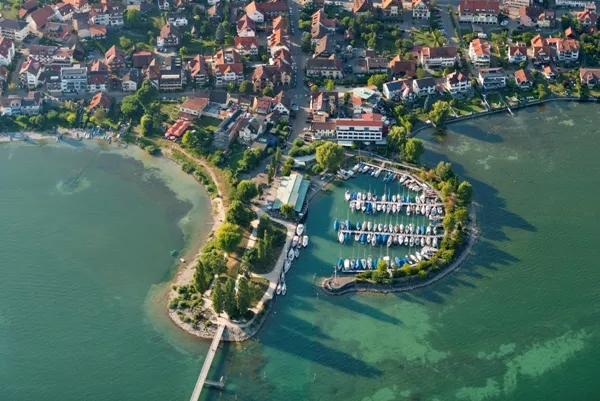
Lake Constance is an international Alpine Lake that borders Germany, Austria, and Switzerland and captivates visitors. Germany is an attractive tour for tourists because one can enjoy and refresh oneself by taking a tour of three different countries. German tour guides offer visitors the freedom to enjoy Alpine scenic beauty and cultural diversity.
Mainau Island is a flower island with botanical gardens, and Constance is a historical city with a medieval center. Lindau is an island town with a lighthouse and Alpine views, and Cycling Routes. Germany tourist places offer visitors to admire Zeppelin Museum, which is an aviation history in a historic hangar, the lakes’ mild climate helps in Mediterranean vegetation.
Pro Tip: Download the DB Navigator app or buy tickets at db.de. For multiple long-distance trips, the German Rail Pass (Eurail) can save money. Book Sparpreis tickets 8 to 12 weeks in advance for the best deals.

— Best places to visit in Germany
Rhine River Valley
The Rhine valley between Mainz and Koblenz is Germany’s most beautiful and romantic landscape, captivating tourists from all over the world to visit. German tour guides offer medieval castles and vineyard-covered hillsides that are just like heaven on Earth. Your trip to Germany will become more interesting with historic towns along the river banks.
The Rhine River Valley Highlights
Lorelei Rock is a legendary cliff with panoramic river views, and Rudesheim is a wine town with traditional taverns and a cable car. Bacharach is a medieval town with half-timbered houses, and the Marksburg castle is the best-preserved hilltop castle on the Rhine Valley. Best places to visit in Germany include Rhine River cruises, which are scenic boat trips with wine tastings.
— Best places to visit in Germany
Saxon Switzerland National Park
Saxon Switzerland National Park is a dramatic sandstone landscape that showcases Germany’s most dramatic natural scenery. Germany tourist places offer visitors the opportunity to explore its towering sandstone pillars and deep gorges. The best places in Germany allow visitors to explore this landscape, which inspired all the 19th-century painters.
Bastei Bridge is a spectacular bridge connecting sandstone pillars, and Konigstein Fortress is a massive hilltop fortress with panoramic views. Germany tourist places offer visitors the opportunity to explore the Elbe River Valley, a scenic valley cutting through sandstone cliffs. The best places to visit in Germany include Rock climbing, which is world-class climbing on sandstone towers.
Tourist areas in Germany
There are a lot of unique cultural experiences that attract visitors from all over the world, giving them a unique sort of experience. German tourism places guide attracts tourists because of the country’s cultural and scenic beauty. The best places to visit in Germany give an everlasting experience to refresh you.
Neuschwanstein Castle Winter
Neuschwanstein Castle is a Disney-inspired castle that embodies Germany’s fairy tale reputation, which inspired Disney’s Sleeping Beauty Castle. Travel to Germany attracts tourists and tourism enthusiasts to visit this place, and attracts millions of them annually. King Ludwig II’s creation of the 19th century represents romantic architecture and feelings of locals at their most extravagant.
Advance booking is required for tourists who sell out months in advance. Marienbrücke is a bridge offering classical castle views. Hohenschwangau Castle is Ludwig’s childhood home that attracts visitors from all over the world, and Füssen is a charming base for castle visits. Germany travel guide offers visits to Seasonal considerations, and winter visits offer dramatic snow-covered views.
The Rhine Valley: Castles, Wine, and Scenic Cruises
The Rhine Valley between Bingen and Koblenz is one of the most scenic places in Germany and a UNESCO World Heritage Landscape. Over 40 castles and fortresses line this 65 km stretch of the river, rising dramatically above steep vineyard-covered slopes.
The best way to see it is by boat. Rhine River cruises depart from Bingen, Rudesheim, Bacharach, and Koblenz. You can do a full day cruise or hop on and off at different villages. The Loreley Rock viewpoint is the most famous stop.
Best Villages to Visit in the Rhine Valley
- Bacharach: One of the prettiest medieval towns in Germany. Very small and very charming. Walk the old town walls and climb to Stahleck Castle above the town.
- Rudesheim am Rhein: A lively wine town with wine shops and tastings on the famous Drosselgasse lane. Very popular but can be crowded in summer.
- Koblenz: At the confluence of the Rhine and Moselle rivers, Koblenz is a great base. Take the cable car up to Ehrenbreitstein Fortress for incredible views.
- Goar: A quieter village beneath Rheinfels Castle, the largest castle ruin in the Rhine Valley.
Pro Tip: Book Rhine River cruises with Koln-Dusseldorfer (KD Line). The Bingen to Koblenz route takes about 5 hours by boat. You can also take the train along the riverbank for free views if you have a German Rail Pass.
How to Get to Germany from Canada
Flights
Most Canadian travelers fly into Frankfurt Airport (FRA), which is Germany’s biggest international hub. Lufthansa, Air Canada, and other airlines operate direct flights from Toronto (Pearson), Montreal, Vancouver, and Calgary. Flight times from Toronto are around 8 hours.
• Frankfurt (FRA): The main hub, best connected to the rest of Germany
• Munich (MUC): Great if you are starting in Bavaria
• Berlin (BER): Berlin Brandenburg Airport, best for starting in the north
• Dusseldorf (DUS): Good option for trips focused on western Germany and the Rhine
Trains Within Germany
Germany’s train network is run by Deutsche Bahn (DB) and is one of the best in Europe. High-speed ICE trains connect major cities quickly and comfortably.
• Berlin to Munich: About 4 hours by ICE train
• Munich to Frankfurt: About 3.5 hours
• Frankfurt to Cologne: About 1 hour
• Hamburg to Berlin: About 1.5 hours
— Best places to visit in Germany
Oktoberfest Beer
Oktoberfest is the world’s largest beer festival, creating an ultimate beer festival where one can enjoy the culture at its best. Bavarian culture welcomes tourists from all over the world to attend international celebrations, creating a unique experience of Bavarian culture. German tourism places guide allows and accommodates thousands of revelers in massive beer tents just to satisfy their needs.
Festival highlights include traditional Beer Tents, and each beer tent offers its own unique experience. Bavarian music includes oompah bands and traditional folk performances. Regional Cuisines include Pretzels, sausages, and hearty German fare, and traditional costumes, including Lederhosen and dirndls, create an authentic atmosphere. Travel to Germany becomes more interesting by taking carnival rides, which include Historic fairground attractions. Oktoberfest is also one of the best places to visit in Germany.
German Rail Travel, S Train
German Rail travel is an engineering excellence, and it is a system representing German engineering precision and accuracy that captivates engineers. It is a place that connects different cities and major ones, and scenic routes through its fastest train. German tour guide allows visitors to see their regional services and historic routes that showcase challenging and the most difficult landscapes.
It builds punctuality that rail travel is on a fixed time schedule, and despite it, offers one to enjoy its scenic routes where one can lose oneself. This station is located at the center of the city, which connects a lot of historical points and becomes convenient It also gives environmental benefits, such as sustainable travel services.
— Best places to visit in Germany
The Black Forest: Germany's Most Beautiful Nature Region
The Black Forest (Schwarzwald) in southwestern Germany is one of those places that looks like it came straight out of a fairy tale. Dense dark forests, rolling green hills, charming wooden farmhouses, waterfall trails, and thermal spa towns. This is the Germany you did not know you needed.
The region is also famous for Black Forest cake (Schwarzwalder Kirschtorte), cuckoo clocks, and some of the best hiking in the country. The Schwarzwald has over 23,000 km of hiking trails, making it one of the best natural attractions in Germany for outdoor lovers.
Best Places in the Black Forest
- Freiburg im Breisgau: The gateway city to the Black Forest. Beautiful cathedral, a lively university town atmosphere, and great food. Spend a night here before venturing into the forest.
- Triberg: Home to Germany’s highest waterfalls and the self-declared home of the original cuckoo clock. Very touristy but genuinely lovely.
- Baden-Baden: A spa town that has attracted European aristocracy for centuries. The thermal baths are world-famous. The Friedrichsbad and Caracalla baths are both excellent. Perfect for a relaxing day.
- Titisee: A gorgeous lake in the heart of the Black Forest. Pedal boats, swimming, and lakeside walking paths.
Black Forest at a Glance
- Recommended time: 2 to 3 days
- Best base: Freiburg or Baden-Baden
- Best for: Hikers, nature lovers, spa seekers, families
Berlin Street Art
The city’s historical side captivates visitors because it is full of beauty and creativity, and has a romantic side. The city’s complex history and cultural innovations inspire painters and artists to create their views. Berlin street art includes former East-West border areas that showcase artists’ wonderful work along with historical sites and German tour guides offers this.
The East Side Gallery is the longest remaining Berlin Wall section, and the Kreuzberg district has vibrant street art. Germany is one of the best options as it includes and offers visitors the opportunity to visit Checkpoint Charlie, which is a former border crossing point. Teufelsberg is an abandoned and unique spy station with beautiful panoramic views.
Where to Stay in Germany
Germany offers diverse visit options because of the diversity of culture and living styles. It suits every culture and the locals. There are a lot of accommodation options there, from luxury castle hotels to modern and cultural hotels, and everything is in between. These hotels are convenient for every sort of person, having choices of their own.
There are a lot of budget options ranging from 30 to 70 dollars per night. Hostels have a social atmosphere with shared facilities, having mutual accessibilities, and Guesthouses include family-run establishments with personal service. If one cannot afford much, then one could opt for budget houses with clean and book your ticket with booking.com now.
Budget Accommodation
Germany has a great network of hostels, particularly in major cities. A dorm bed in a well-rated hostel in Berlin or Munich typically costs CAD $30 to $50 per night. Many hostels have private rooms too. Good budget hotel chains to look for include Motel One, A&O Hotels, and Ibis Budget.
There are a lot of mid-range options from 80 to 150 dollars per night. Boutique houses include unique character and local flavors, and business hotels include modern amenities and central locations. German tour guides offer accommodations in Historic buildings and book your ticket with booking.com now.
Mid-Range Hotels
For solo travelers or couples, a comfortable 3-star hotel in a central location will cost roughly CAD $120 to $200 per night in most cities. Look at Mercure, NH Hotels, or locally owned boutique hotels for good mid-range options. Booking platforms like Booking.com often have better deals than the hotel’s own website.
Luxury Hotels
Germany has some outstanding luxury properties. In Munich, the Hotel Vier Jahreszeiten Kempinski is legendary. In Berlin, the Adlon Kempinski opposite the Brandenburg Gate is an icon. In Hamburg, the Fairmont Hotel Vier Jahreszeiten is beautiful. Expect to pay CAD $350 to $700+ per night for true luxury.
There are a lot of luxury options ranging from 200 to 500 dollars or more per night. Castle Hotels include romantic settings with historical significance, and spa resorts are famous for wellness facilities and natural settings. Design hotels are also very famous for contemporary architecture, and premium service and book your ticket with booking.com now.
Best Areas to Stay in Each City
- Berlin: Mitte for history, Prenzlauer Berg for local feel, Friedrichshain for nightlife
- Munich: Altstadt for central access, Maxvorstadt for museums, Schwabing for a student neighborhood vibe
- Hamburg: HafenCity for waterfront views, Altona for local life
- Cologne: Near the Cathedral or Deutz (across the Rhine for cheaper prices and great cathedral views)
Pro Tip: Mittagstisch is the German lunch special offered by many restaurants between noon and 2pm. You get a full meal for CAD $8 to $15. It is the best-value meal of the day, and locals use it all the time.
— Best places to visit in Germany
German Cuisine
German cuisine is very famous all over the world because it is far more important than normal sausages and beer of every kind. It offers regional specialties with local facilities and amenities, and reflects local ingredients. German cuisine and dining are famous for their diversity of menu and flavors, and a lot of other specialties and cultural influences.
Schnitzel is a breaded and fried cutlet in various regional styles, and Bratwurst are grilled sausages with local variations. Sauerbraten is a marinated sour beef with a sweet-sour taste, and Spätzle are soft egg noodles from southern Germany. Travel to Germany becomes more interesting when one gets a chance to try the black forest cake.
There is a lot of variation in dining prices in Germany, as street food prices range from 3 to 7 dollars . Local restaurants range from 10 to 25 dollars , and German tour guides mostly offer this as it is convenient for locals. There are a lot of High-End dining ranging from 50 to 150 dollars and more.
— Best places to visit in Germany
Food and Dining in Germany
German food is hearty, comforting, and much more varied than the cliches suggest. Yes, you will find sausages and pretzels everywhere, but each region has its own distinctive cuisine worth exploring.
Must-Try German Foods
• Bratwurst: Grilled sausages served with mustard and a bread roll. Try them at street markets and Christmas markets for the best version.
• Schnitzel: Breaded and fried meat cutlet, usually pork or veal. The Jager Schnitzel with mushroom sauce is a classic.
• Pretzels (Brezn): Soft, salty, and freshly baked. Nothing like the packaged version. Best eaten warm at a bakery.
• Sauerbraten: A slow-cooked marinated beef roast with a sweet-sour sauce. Very Bavarian and very good.
• Spaetzle: Soft egg noodles from southern Germany, often served with cheese (Kasespatzle) as a main dish.
• Currywurst: Berlin’s iconic street food. A sliced sausage topped with curry ketchup. Simple and delicious.
• Black Forest Cake (Schwarzwalder Kirschtorte): Chocolate sponge, whipped cream, and cherries. Try it in the Black Forest region for the authentic version.
• Riesling wine: From the Rhine and Moselle valleys. Germany produces some of the world’s best white wines.
Where and How to Eat
• Street food stalls and markets: CAD $4 to $10 per meal. Best for bratwurst, currywurst, and pretzels.
• Traditional German restaurants (Gasthauser): CAD $15 to $35 per person with drinks.
• Mid-range restaurants: CAD $25 to $50 per person.
• Michelin-starred dining: Germany has over 300 Michelin-starred restaurants. Expect CAD $150 to $400+ per person.
Transportation options
Germany is very famous for its transportation facilities, as it offers visitors convenient ways of travelling all over the country. Germany’s efficient travelling experiences offer visitors the opportunity to explore Germany in a reliable and comfortable way. German tour guides offer visitors a lot of variety, ranging from different budgets and facilities according to their preferences.
High-speed trains are very famous for their ability to connect different big cities rapidly, and regional trains are famous for connecting small towns and offering scenic routes. Travel to Germany becomes more interesting as the availability of S-Bahn/U-Bahn. German tourism places guides offer more and more interesting fields, as it is a flexible option for extended travelling.
There are a lot of options for tourists about their self-transportation, just like rental cars, in which one has the freedom to explore. The Autobahn system is quite convenient in that one can cross high-speed highways that connect a lot of places. Scenic routes are well-designated tourist roads with attractions and one of the major conveniences of parking.
There are integrated systems that are seamless connections between transport modes, and Day Passes have unlimited travel options that bewitch visitors. Bike rentals are an environmentally friendly urban transportation system that is highly admirable for visitors. Walking tours include historic centers designed for pedestrians and are convenient for them too.
Best Time to Visit Germany
Germany’s climate is friendly for everyone and almost throughout the year, but it has some conditions that are mostly necessary for visitors to have an idea. Germany’s temperate climate offers distinct seasonal experiences that leave an everlasting. Germany tourist places offer a climate of travelers of their own choice and activities that are friendly for that particular climate.
Germany is a year-round destination but the timing of your trip can make a big difference in what you experience and how much you pay.
Spring: April to June (Recommended)
Spring is one of the best times to visit Germany. Temperatures are pleasant (12 to 20 degrees Celsius), flowers are blooming, and the tourist crowds have not hit their summer peak yet. Beer gardens start opening in April and May, and you can often find better accommodation prices than in summer.
The spring season lies between April and June, and the weather is characterized by mild temperatures, and flowers bloom during this season. German tourism places guides offer visits this season because of its advantages, like fewer crowds and pleasant hiking conditions, and one can do activities. Travel to Germany becomes more interesting this season, as there are occasional rain showers.
Summer: July and August (Peak Season)
Summer is the busiest time to visit Germany. Temperatures reach 25 to 30 degrees Celsius in most cities, outdoor festivals are happening everywhere, and beer gardens are in full swing. The downside is that popular tourist attractions like Neuschwanstein Castle get very crowded and accommodation prices are at their highest. Book well in advance.
The summer season lies between July and August, and the weather is characterized by warm temperatures and long daylight hours. The advantages of this season are that it is beer Garden season and outdoor activities are possible, and activities like hiking, cycling. German tourism places guides offer this mostly because it is a peak tourist season with higher prices.
Fall: September and October (Highly Recommended)
Fall is arguably the best time to visit Germany. Oktoberfest runs from mid-September to early October in Munich, and outside of that, the rest of the country is wonderfully peaceful. The foliage in the Rhine Valley and Black Forest turns golden and red, and the weather stays comfortably cool. Prices also start dropping after the summer peak.
Fall lies between September and October, when the weather is comfortable and the foliage is colorful. The advantages of this season are that it is Oktoberfest season and beer harvesting as well, in which one can enjoy activities like cultural events and scenic drives. Travel to Germany becomes more interesting as it includes various weather conditions.
Winter: November to March (Christmas Markets)
Germany in winter is magical, especially in December when Christmas markets pop up in almost every city and town. Nuremberg, Cologne, Dresden, and Rothenburg all have famous markets. Outside of the Christmas market season, January and February are the quietest and cheapest months to visit, though some outdoor attractions may be closed or limited.
Season | Months | Weather | Crowds |
Spring | Apr to Jun | Mild 12-20C | Low to Medium |
Summer | Jul to Aug | Warm 22-30C | High |
Fall | Sep to Oct | Cool 10-18C | Medium |
Winter | Nov to Mar | Cold 0-5C | Low (except Dec) |
Pro Tip: Book Rhine River cruises with Koln-Dusseldorfer (KD Line). The Bingen to Koblenz route takes about 5 hours by boat. You can also take the train along the riverbank for free views if you have a German Rail Pass.
— Best places to visit in Germany
More Beautiful Places in Germany You Should Not Miss
Rothenburg ob der Tauber
If you want to see a perfectly preserved medieval German town, Rothenburg ob der Tauber is it. The entire old town is enclosed by a complete set of medieval walls you can walk on top of. The half-timbered houses, cobblestone streets, and market square make it one of the most photographed small towns in Germany. It sits on the famous Romantic Road route.
Dresden
Dresden is often called the Florence of the Elbe for its stunning baroque architecture and world-class art collections. The city was heavily bombed in 1945 but has been beautifully rebuilt. The Frauenkirche church, the Zwinger palace complex, and the Old Masters Picture Gallery are all must-sees.
Heidelberg
Heidelberg is home to Germany’s oldest university (founded in 1386) and a stunning ruined castle above the town. The old town is full of students and energy, and the views from the castle over the Neckar River and old town are among the most beautiful city views in Germany.
Nuremberg
Nuremberg has a complicated but fascinating history. A well-preserved medieval old town surrounds the imperial castle, but the city is also deeply connected to both the Nazi era and the war crimes trials that followed. The Documentation Center and Nazi Party Rally Grounds are sobering but essential visits.
Leipzig
Leipzig is one of the most exciting cities in Germany right now. Historically known for Bach and Mendelssohn, today it is one of Germany’s hippest cities with an incredible music and arts scene, low cost of living, and great food. Very underrated by international tourists.
Fussen and the Allgau
Beyond Neuschwanstein Castle, the Fussen area in the Bavarian Alps is one of the most scenic places in Germany. Walk around the Alpsee lake, visit Hohenschwangau Castle, and take in the Alpine views that look absolutely unreal on a clear day.
10-Day Germany Itinerary: First-Time Visitors
This is a suggested 10-day route that hits the top places to visit in Germany. It is designed for first-time visitors who want a balanced mix of cities, nature, and culture.
Day 1 and 2: Berlin
- Day 1: Arrive in Berlin, check in, explore Mitte. Visit Brandenburg Gate, walk along Unter den Linden, and see the Reichstag from outside. Dinner in Mitte or Prenzlauer Berg. Budget: CAD $100 to $140.
- Day 2: Museum Island (Pergamon Museum), Berlin Wall Memorial, East Side Gallery, and Checkpoint Charlie. Evening in Kreuzberg for street food and bars. Budget: CAD $80 to $130 (museum entry around CAD $30).
Day 3: Berlin to Dresden
- Morning train to Dresden (about 2 hours). Afternoon: Frauenkirche, Zwinger Palace, and the Neumarkt square. Dinner by the Elbe River. Budget: CAD $90 to $150 (train about CAD $35 to $60).
Day 4: Dresden to Nuremberg
- Train to Nuremberg (about 2 hours). Visit the Imperial Castle, Hauptmarkt (main market), and the Documentation Center. Budget: CAD $85 to $140.
Day 5: Nuremberg to Munich
- Short train to Munich (about 1 hour). Check in, explore Marienplatz and Viktualienmarkt. Evening beer hall visit. Budget: CAD $100 to $160.
Day 6: Munich
- Full day: English Garden, Nymphenburg Palace or BMW World, and evening at a traditional beer garden. Budget: CAD $90 to $150.
Day 7: Neuschwanstein Castle Day Trip
- Train and bus to Fussen and Neuschwanstein Castle. Full day excursion. Return to Munich in the evening. Budget: CAD $100 to $150 (train, bus, castle entry).
Day 8: Munich to the Black Forest via Freiburg
- Train to Freiburg (about 3.5 hours). Afternoon in Freiburg old town and cathedral. Budget: CAD $90 to $140 (train about CAD $60 to $90).
Day 9: Black Forest
- Day trip into the Black Forest: Triberg waterfalls and Baden-Baden thermal baths. Budget: CAD $100 to $170 (spa entry around CAD $40 to $60).
Day 10: Freiburg to Cologne
- Train to Cologne (about 3 hours). Afternoon at Cologne Cathedral and the Old Town. Rhine waterfront evening walk. Budget: CAD $90 to $140.
Pro Tip: Buy a Deutsche Bahn Sparpreis (early bird) ticket for inter-city trains. Booking 6 to 8 weeks in advance can save you 50% to 70% on train tickets across Germany.
Germany Travel Cost Breakdown for Canadians
Here is a realistic breakdown of what a 10-day trip to Germany costs for a Canadian traveler in 2026. All prices are in Canadian dollars.
Category | Estimated Cost (CAD) |
Return flights (Toronto to Frankfurt) | CAD $900 to $1,600 |
Accommodation (10 nights, budget/mid-range) | CAD $800 to $1,800 |
Inter-city trains | CAD $200 to $400 |
Local transport (metro, buses) | CAD $80 to $150 |
Food and dining | CAD $400 to $700 |
Attractions and entry fees | CAD $150 to $300 |
Activities (boat cruise, spa, etc.) | CAD $100 to $250 |
Travel insurance | CAD $80 to $150 |
Total Estimated Budget | CAD $2,710 to $5,350 |
Budget Breakdown by Travel Style
• Budget traveler (hostels, street food, free attractions): CAD $80 to $120 per day
• Mid-range traveler (3-star hotels, restaurants, paid attractions): CAD $150 to $220 per day
• Luxury traveler (4-5 star hotels, fine dining, guided tours): CAD $350+ per day
Practical Travel Tips for Germany
Money and Payments
- Germany is still significantly cash-based compared to Canada or the UK. Many smaller restaurants, bakeries, and market stalls only take cash.
- Carry some Euros at all times. ATMs (called Geldautomaten) are widely available.
- Tipping is appreciated but not mandatory. A 10% tip is standard in restaurants.
- Notify your Canadian bank before traveling to avoid your card being blocked.
Communication and Internet
- SIM cards: Buy a prepaid German SIM at the airport or any phone store. Aldi Talk, Lidl Connect, or O2 offers are good value.
- Free WiFi is available in most hotels, cafes, and many public spaces.
- Download offline maps on Google Maps or Maps.me before you arrive.
Safety Tips
Germany is one of the safest countries in Europe for tourists. The main things to watch out for are standard urban precautions:
- Watch your belongings in crowded tourist areas and on public transport in big cities.
- Pickpockets can be active around major attractions like Marienplatz in Munich and the Brandenburg Gate in Berlin.
- Keep a copy of your passport and travel insurance documents on your phone.
Common Mistakes Tourists Make in Germany
- Not buying train tickets in advance: Last-minute ICE train tickets are expensive. Book Sparpreis tickets early.
- Only visiting Munich and Berlin: These two cities are great but Germany has so much more. Add at least one or two other destinations.
- Not carrying cash: Many places in Germany are still cash only. This catches visitors off guard.
- Trying to do too much too fast: Germany is a large country. Pick a region and explore it deeply rather than trying to see everything in one trip.
- Forgetting to validate public transport tickets: In many German cities, you must stamp (validate) your ticket at the machine before boarding, even if you bought it digitally. Getting caught without a validated ticket results in a large fine.
- Underestimating opening times: Many shops and supermarkets close on Sundays. Plan grocery runs and errands for weekdays or Saturdays.
Practical Travel Tips for Germany
Money and Payments
- Germany is still significantly cash-based compared to Canada or the UK. Many smaller restaurants, bakeries, and market stalls only take cash.
- Carry some Euros at all times. ATMs (called Geldautomaten) are widely available.
- Tipping is appreciated but not mandatory. A 10% tip is standard in restaurants.
- Notify your Canadian bank before traveling to avoid your card being blocked.
Communication and Internet
- SIM cards: Buy a prepaid German SIM at the airport or any phone store. Aldi Talk, Lidl Connect, or O2 offers are good value.
- Free WiFi is available in most hotels, cafes, and many public spaces.
- Download offline maps on Google Maps or Maps.me before you arrive.
Safety Tips
Germany is one of the safest countries in Europe for tourists. The main things to watch out for are standard urban precautions:
- Watch your belongings in crowded tourist areas and on public transport in big cities.
- Pickpockets can be active around major attractions like Marienplatz in Munich and the Brandenburg Gate in Berlin.
- Keep a copy of your passport and travel insurance documents on your phone.
Common Mistakes Tourists Make in Germany
- Not buying train tickets in advance: Last-minute ICE train tickets are expensive. Book Sparpreis tickets early.
- Only visiting Munich and Berlin: These two cities are great but Germany has so much more. Add at least one or two other destinations.
- Not carrying cash: Many places in Germany are still cash only. This catches visitors off guard.
- Trying to do too much too fast: Germany is a large country. Pick a region and explore it deeply rather than trying to see everything in one trip.
- Forgetting to validate public transport tickets: In many German cities, you must stamp (validate) your ticket at the machine before boarding, even if you bought it digitally. Getting caught without a validated ticket results in a large fine.
- Underestimating opening times: Many shops and supermarkets close on Sundays. Plan grocery runs and errands for weekdays or Saturdays.
Sign up to our newsletter and grab tickets at lowest prices
— Best places to visit in Germany
Local Insider Tips
- German bakeries (Backerei) open early, often by 6am. A fresh bread roll with butter and coffee from a local bakery is one of the great simple pleasures of traveling in Germany.
- Ask locals about their favorite Biergarten (beer garden). Every German city has hidden garden gems that tourists never find.
- The Deutsche Bahn app lets you buy discounted last-minute train tickets called Flexpreis. These are for same-day travel and can occasionally be cheap.
- If you are in Berlin on a Sunday, go to the Turkish Market in Neukolln for amazing food and a very local experience.
- In Munich, the local recommendation for Oktoberfest is to arrive when the doors open at 9am. The atmosphere is best in the morning before it gets overwhelming.
- Small German towns often have free admission to their old town walls and towers. Do not just rush to the main sights.
FAQ about Best Places to Visit in Germany
Munich offers captivating Bavarian culture, and the Rhine Valley offers romantic scenery of castles. Travel to Germany becomes an everlasting experience when one visits the black forest, which is a place full of natural beauty like Rothenberg ob der Tauber. Each and every region offers diverse happiness and interests to the heart, as it has its own grace and charm.
Germany offers tourists an efficient and reliable public transportation system that is convenient for tourists to explore Germany. The rail network provides the facility of connecting major cities and historical sites, and local public transport provides urban mobility. German tourism places guide also offers tourists the opportunity to buy a German Rail Pass to have unlimited rail travel.
Germany's Christmas markets offer cultural attractions and attractions for people all around the world, as they include dedicated trips for people during the holiday season. The heart-touching combinations of traditional crafts, seasonal foods, and festive atmosphere create a magical experience for visitors. Travel to Germany becomes more interesting as markets typically operate from late November through December.
Germany has more than 25000 castles and their ruins all over the country, which makes it more special than other countries. The most iconic ones include Neuschwanstein in Bavaria, Heidelberg Castle around the Neckar River. The best places in Germany become more interesting as the romantic roads connect multiple castle sites, which offer unique architectural styles and historical sites.
Germany is moderately priced for Canadians. It is cheaper than Switzerland and Scandinavia but slightly more expensive than Eastern Europe. A budget traveler can manage on CAD $90 to $120 per day. Mid-range travelers should budget CAD $150 to $220 per day excluding flights.
You need at least 7 days to see the highlights of Germany but 10 to 14 days gives you a much more comfortable and enjoyable trip. Germany is a big country with lots of regional variety, so more time always pays off.
Yes, Germany is very safe for tourists. It consistently ranks among the safest countries in Europe. Standard travel precautions apply: watch your belongings in busy tourist areas, stay aware in crowded spaces, and keep copies of your documents.
No. English is widely spoken in cities, tourist areas, hotels, and restaurants. In smaller rural towns, some locals may not speak much English, but basic communication is usually possible. Learning a few German phrases like 'Bitte' (please), 'Danke' (thank you), and 'Entschuldigung' (excuse me) goes a long way.
Munich is often recommended as the best starting city for first-time visitors because it is very visitor-friendly, has excellent public transport, beautiful sights, great food, and serves as a perfect base for day trips to Neuschwanstein and Salzburg. Berlin is a close second, especially if you are more interested in history and contemporary culture.
May, June, and September are the sweet spots. The weather is pleasant, crowds are manageable, and prices are reasonable. Avoid mid-July and August if you hate crowds, and avoid December if you want to see attractions at their least crowded (though Christmas markets are magical).
No. Germany's train network is excellent and connects most tourist destinations. A car is only useful if you want to explore very rural areas like the Black Forest countryside or smaller villages along the Romantic Road. For most first-time visitors, trains are the better option.
Absolutely. Germany's Christmas markets are some of the most atmospheric experiences in all of Europe. Nuremberg, Cologne, Dresden, Erfurt, and Rothenburg all have outstanding markets. Outside of December, January and February are quiet and affordable, though some outdoor attractions and castle tours operate on reduced schedules.
Rothenburg ob der Tauber, Bacharach, Meersburg on Lake Constance, Quedlinburg in the Harz region, Bamberg in Bavaria, and Goslar are all exceptional small towns. Each one has a distinct character and most tourists skip them entirely, which means they are wonderfully peaceful even in peak season.
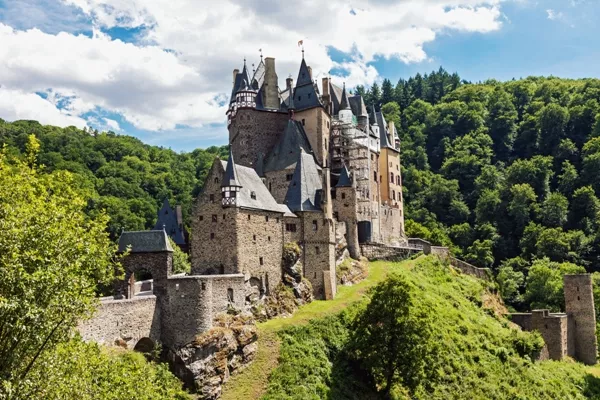
Yes. Germany has more castles than almost any other country on earth, with over 25,000 castle sites scattered across the country. Neuschwanstein is the most famous, but Heidelberg Castle, Eltz Castle on the Moselle River, Hohenschwangau Castle, and Lichtenstein Castle are all stunning and worth visiting. Many are free or very affordable to explore from the outside.
Leipzig, Dresden, Nuremberg, and Erfurt are significantly cheaper than Munich and Hamburg. Accommodation, food, and entertainment all cost less in these eastern and central German cities, and they are genuinely fascinating destinations that most tourists overlook.
— Best places to visit in Germany
Final Thoughts: Plan Your Germany Trip
Germany is a country that rewards curious travelers. Whether you spend your time exploring Berlin’s complex history, hiking through the Black Forest, sipping Riesling along the Rhine, or celebrating Oktoberfest in Munich, you will leave with stories worth telling for years.
The best part of traveling in Germany is that no two trips feel the same. The country is large enough and varied enough that you can come back three times and still discover something completely new. Go for the castles and stay for the people, the food, the beer gardens, and the landscape.
Start planning early, book your trains in advance, carry some cash, and go with an open mind. Germany will take care of the rest.
Explore all our destination guides: Canada | United States | Mexico | United Kingdom | France | Italy | Spain | Germany | Croatia | Portugal | Netherlands | Switzerland | Poland | Greece | Thailand | China | Malaysia | India | South Korea | Hong Kong | Maldives | Australia | Turkey | Egypt | South Africa | Saudi Arabia | Cuba | Pakistan

Ghufran Khan
I’m a cybersecurity professional with 18+ years of IT experience, currently working in the Canadian government sector. Over the past 15 years, I’ve travelled to 37 countries, living and working in six of them. As a Level 4 My background in cybersecurity enables me to offer unique insights into travel safety and digital security. From the food streets of Lahore to the culinary scenes of Dubai, Mississauga, Turkey, and Italy, I believe the best way to experience any destination is through its food.